
What are the properties of aluminum based silicon carbide composite materials
What are the advantages of aluminum based silicon carbide (AlSiC) composite materials? What practical problems can it solve for me? For example, my electronic devices have extremely high heat dissipation requirements that traditional materials cannot meet; My device needs to be lightweight while maintaining high strength; I am looking for a material with a matching thermal expansion coefficient that can improve product reliability… Can aluminum based silicon carbide solve these needs?
Brief answer: Yes, aluminum based silicon carbide composite materials are advanced materials designed to solve these core problems. It perfectly balances the four characteristics of lightweight, high thermal conductivity, low expansion, and high strength, and can significantly improve the performance and reliability of electronic packaging, aerospace, optical instruments, and other fields, directly solving key technical problems such as heat dissipation bottlenecks, thermal stress failure, and weight exceeding standards.
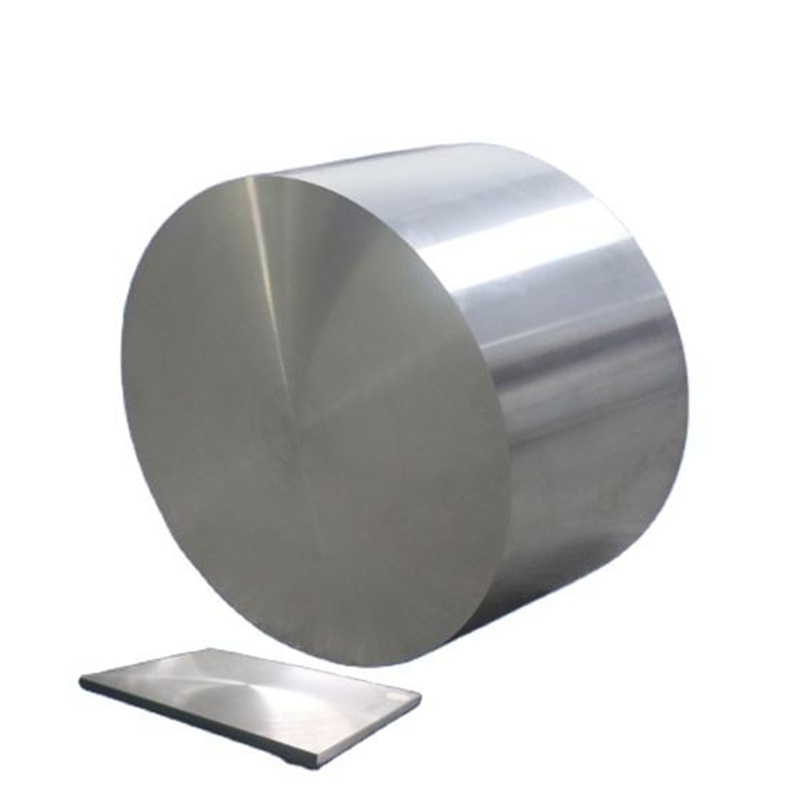
Core properties and advantages of aluminum based silicon carbide composite materials
Aluminum Silicon Carbide (AlSiC) is a new type of metal based composite material that uses aluminum (or aluminum alloy) as the matrix and silicon carbide (SiC) particles or fibers as the reinforcing phase. It is not simply a physical mixture, but an organic combination of the two through precision preparation processes such as pressure infiltration and powder metallurgy, in order to achieve comprehensive performance beyond traditional single materials.
Key performance parameters (supported by objective data)
-Low density, lightweight: The density is usually between 2.7-3.0 g/cm ³, which is about 1/3 of copper and 1/2.7 of iron, but its specific stiffness (elastic modulus/density) far exceeds that of aluminum alloy.
-High thermal conductivity: The thermal conductivity can reach 160-220 W/(m · K), which is equivalent to aluminum and 5-8 times that of traditional packaging material Kovar alloy, and can efficiently dissipate heat.
-Low coefficient of thermal expansion (CTE): The CTE can be precisely designed by adjusting the SiC content (usually volume fraction between 40% -70%), ranging from 6.5-12 ppm/K, which matches well with semiconductor chips (silicon:~4.2 ppm/K) and ceramic substrates (alumina:~6.7 ppm/K), greatly reducing thermal stress.
-High stiffness and strength: The elastic modulus can reach up to 200 GPa, the bending strength is high, the mechanical properties are stable, and it is not easy to deform.
-Good electromagnetic shielding: The metal substrate provides excellent electromagnetic interference (EMI) shielding effect.
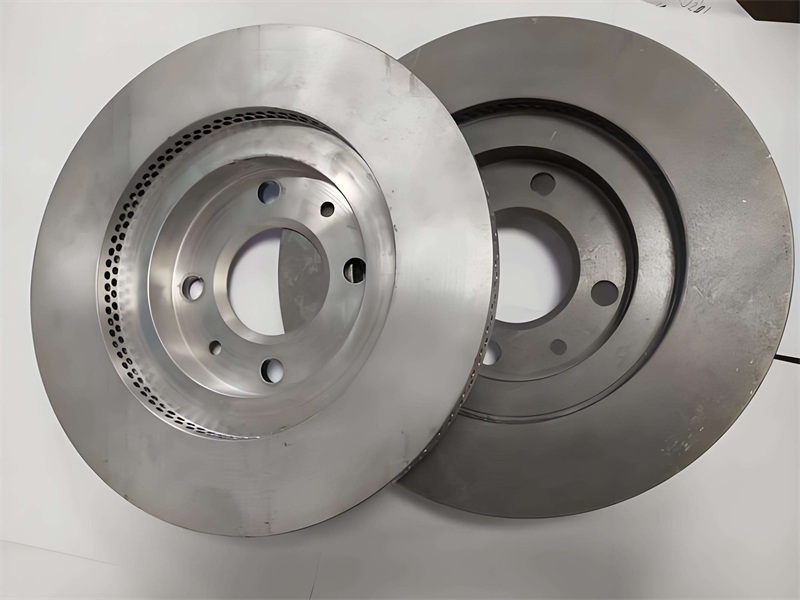
Core problems solved and product applications
Aluminum based silicon carbide composite materials directly target the following pain points in the high-tech field:
-Problem 1: The Difficulty of “Thermal Management” and “Thermal Mismatch” in Electronic Devices
-Applications: High power electronic packaging shells/substrates (such as IGBT modules, lasers, microwave components), CPU/GPU heat dissipation covers, power device substrates.
-Solution: Its high thermal conductivity quickly dissipates heat from the chip, while its adjustable CTE matches the chip and ceramic substrate, preventing solder cracking and interface delamination caused by temperature cycling, and improving device life and reliability.
-Question 2: Structural components need to be “as light as aluminum and as strong as steel”
-Applications: Aerospace structural components (such as satellite mounts, remote sensing tube barrels), precision instrument platforms, robot arms, racing brake components.
-Solution: While ensuring structural rigidity and strength equivalent to titanium alloy or steel, achieve significant weight reduction, improve equipment mobility and energy efficiency.
-Question 3: Dimensional stability requirements in harsh environments
-Applications: Optoelectronic packaging, inertial navigation system platform, laser carrier.
-Solution: A low and stable coefficient of thermal expansion ensures that the spacing between optical components or the position of precision sensors does not change dramatically with temperature, ensuring system accuracy.
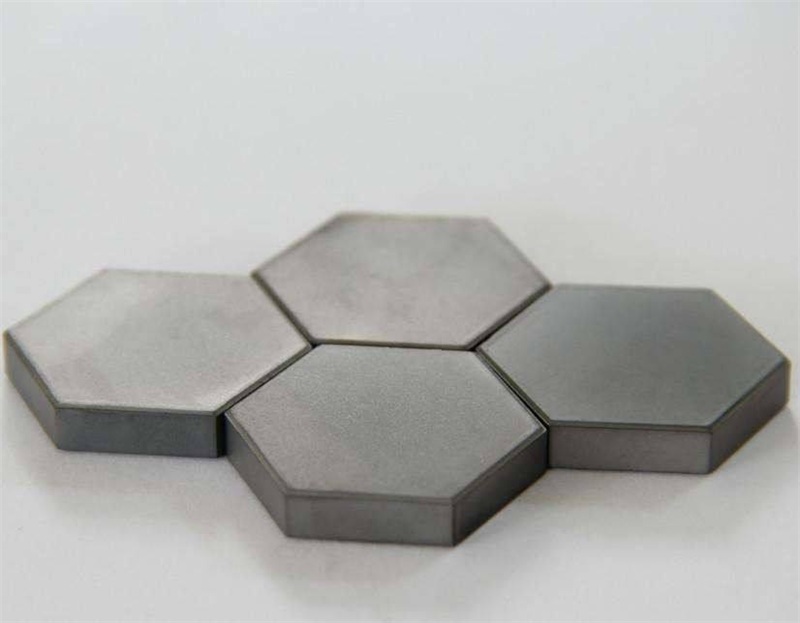
Customer Application Case (Anonymous Display)
-Case A: A well-known communication equipment supplier
-Requirement: The GaN power amplifier module for 5G base stations requires a packaging shell with excellent heat dissipation performance and CTE matching. Traditional aluminum shells have insufficient heat dissipation, and copper tungsten is expensive and heavy.
-Solution: We have customized an AlSiC package shell with a SiC volume fraction of 55%, a thermal conductivity greater than 180 W/(m · K), and a CTE matched to 7.2 ppm/K.
-Effect: The working temperature of the module is reduced by more than 35 ° C, the stability of power output is improved, and the product failure rate is reduced by more than 60%.
-Case B: A high-end optical instrument research institute
-Requirement: The tube structure material of the space telescope is required to have minimal dimensional changes within the temperature range of -80 ° C to+120 ° C, while also being lightweight.
-Solution: Use AlSiC with high volume fraction (68%) SiC to prepare the main tube and perform precision machining.
-Effect: Compared with the original aluminum alloy solution, the weight is reduced by 15% and the thermal deformation is reduced by 70%, fully meeting the high-precision imaging requirements in orbit.
-Case C: A new energy vehicle electric drive manufacturer
-Requirement: The power control unit (PCU) heat dissipation base plate of electric vehicles requires high strength and high thermal conductivity to cope with vibration and high temperature.
-Solution: Provide an integrated AlSiC heat dissipation substrate with cooling channels.
-Effect: Efficient temperature equalization has been achieved, and the power module’s cycle life has passed rigorous testing, helping to improve the vehicle’s range and reliability.
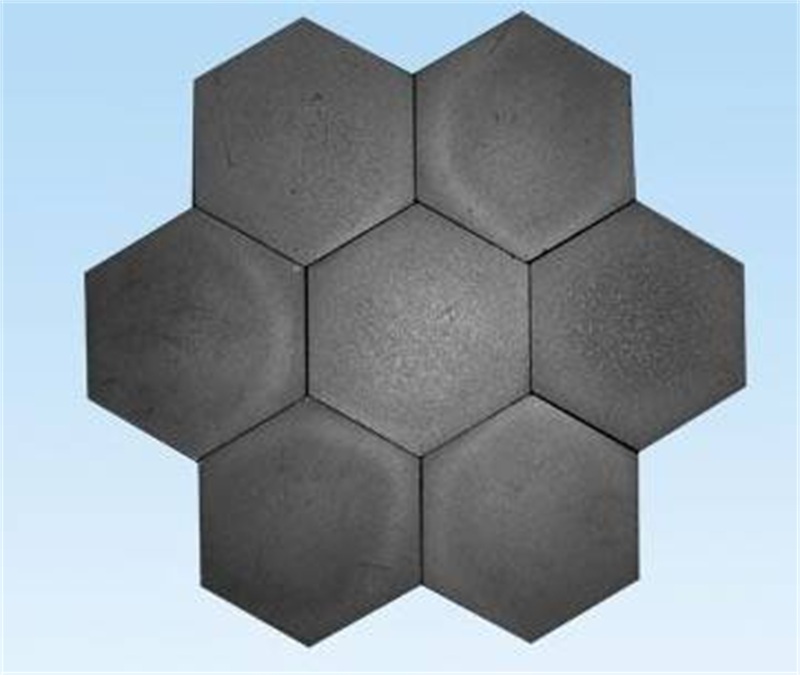
Aluminum based silicon carbide composite materials are becoming a key material to break through the performance bottleneck of high-end equipment due to their irreplaceable “golden combination” properties of lightweight, high thermal conductivity, and low expansion. Whether it’s solving tricky heat dissipation problems or pursuing ultimate lightweight and reliability, it provides reliable solutions.
Brudeze Ceramics supplies and sells a wide range of high-quality quartz glass, including alumina ceramics, zirconia ceramics, silicon nitride ceramics, aluminum nitride ceramics, silicon carbide ceramics, boron carbide ceramics, bioceramics, machinable ceramics, etc. We can meet the customization requirements of various ceramic products.
Tags: boron carbide ceramics
PREVIOUS:What are the application ranges of aluminum based silicon carbide composite materials
NEXT:What are the advantages of high-purity alumina ceramics
CATEGORIES
LATEST NEWS
- Which is more wear-resistan...
- Are microcrystalline cerami...
- What is the difference betw...
- Compared to ordinary cerami...
- What are the main material ...
- Large sized microcrystallin...
- What is the maximum operati...
- Low dielectric constant mic...
- High hardness and wear-resi...
- Low expansion microcrystall...