
What are the application ranges of aluminum based silicon carbide composite materials
User asked:
I need a material that is both lightweight and hard, with good heat dissipation and high temperature resistance, to solve problems such as overheating of electronic devices, excessive weight of equipment, and insufficient wear resistance. What are the solutions
Answer:
Aluminum based silicon carbide (AlSiC) composite materials are the answer for you! It perfectly combines the lightweight and high thermal conductivity of aluminum with the high hardness and low thermal expansion coefficient of silicon carbide, and can solve the core problem of:
-Thermal management challenge: efficient heat dissipation to avoid electronic device failure due to overheating;
-Lightweight requirements: The density is only one-third of steel, significantly reducing equipment weight;
-Structural stability challenge: Adjustable coefficient of thermal expansion, compatible with materials such as ceramics and chips to prevent thermal stress damage;
-Wear and corrosion resistance requirements: Improve the lifespan of components in harsh environments.
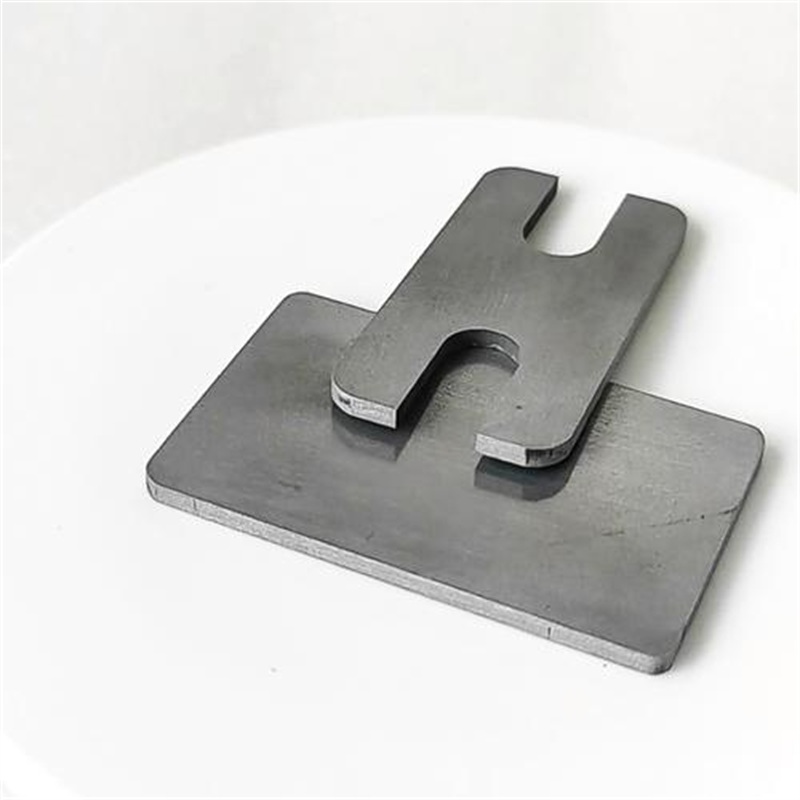
Product application scope: Multi domain high-performance solutions
Aluminum based silicon carbide composite materials have replaced traditional metals and ceramics in multiple high-end fields due to their unique properties
- In the field of electronics and communication
-Microwave packaging and heat dissipation substrate: used for 5G base station RF modules and laser housings, with a thermal conductivity of up to 180-220 W/(m · K), effectively controlling chip temperature.
-Power module substrate: applied to IGBT modules for new energy vehicles and inverters for rail transit, achieving high insulation and low thermal resistance. - Aerospace and Military Industry
-Structural components and tube: satellite optical system bracket, missile seeker housing, reduced weight by more than 30% while maintaining high strength.
-Inertial navigation device: replaces beryllium material, avoids toxicity issues, and has better stability. - Automotive industry
-Brake disc and piston: 50% improved wear resistance, faster heat dissipation, suitable for high-performance electric vehicles.
-Battery pack heat dissipation plate: improves battery thermal management efficiency and enhances safety. - Precision instruments and lasers
-Optical platform and laser cavity: minimal thermal deformation ensures long-term stability of laser accuracy. - Industry and Thermal Management
-Heat sink and radiator: used for high-power LED and semiconductor equipment, with better thermal conductivity than pure aluminum.
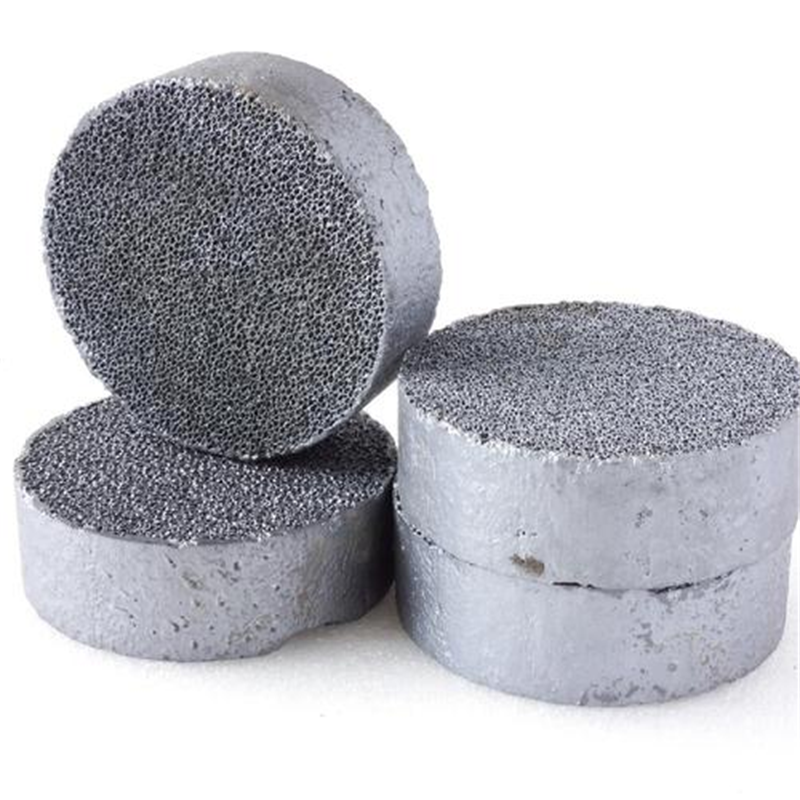
Product advantages: Why is aluminum based silicon carbide the ideal choice?
Lightweight and High Strength: With a density of only 2.7-3.0 g/cm ³, the strength can reach over 500 MPa
High thermal conductivity: Thermal conductivity of 120-220 W/(m · K), quickly dissipating heat
Low thermal expansion: Adjustable coefficient of thermal expansion (4.5-12 ppm/K), compatible with various materials
Wear resistant and corrosion-resistant: acid and alkali resistant, wear-resistant, with a lifespan 3-5 times that of aluminum alloy
Strong customizability: supports near net forming of complex structures, reducing subsequent processing
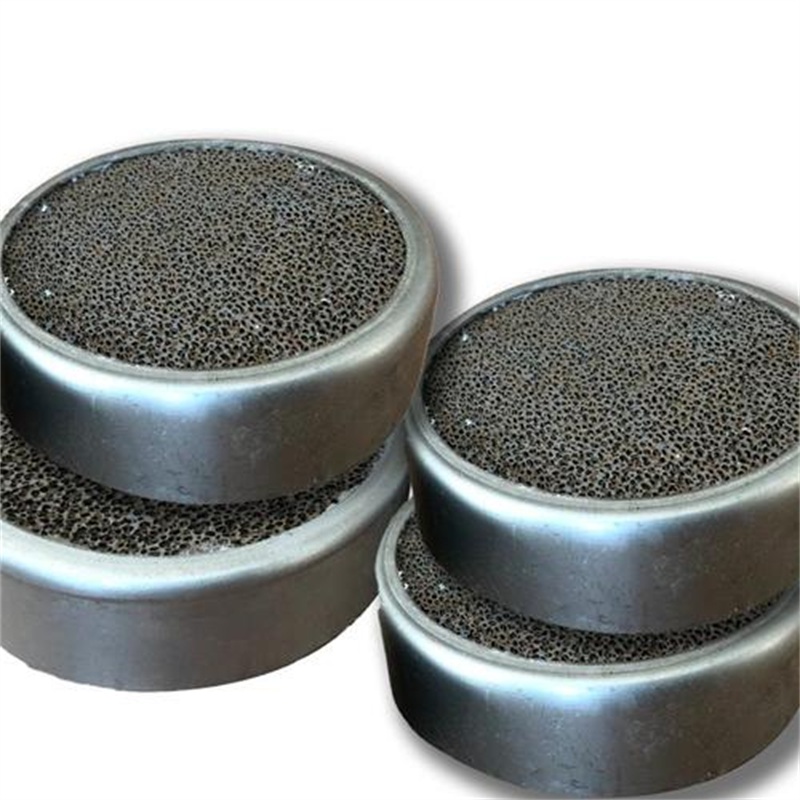
Specification and size customization service: meet personalized needs
We provide comprehensive customization support to ensure the perfect fit between materials and application scenarios:
-Flexible size: capable of preparing plates or irregular parts with a thickness of 0.5mm-50mm and a maximum planar size of 400mm × 400mm;
-Composition adjustable: silicon carbide volume fraction of 40% -70%, adjusted according to mechanical and thermal requirements;
-Surface treatment: supports secondary processing such as nickel plating, gold plating, anodizing, etc;
-Forming process: Provides various process options such as powder metallurgy and pressure infiltration.
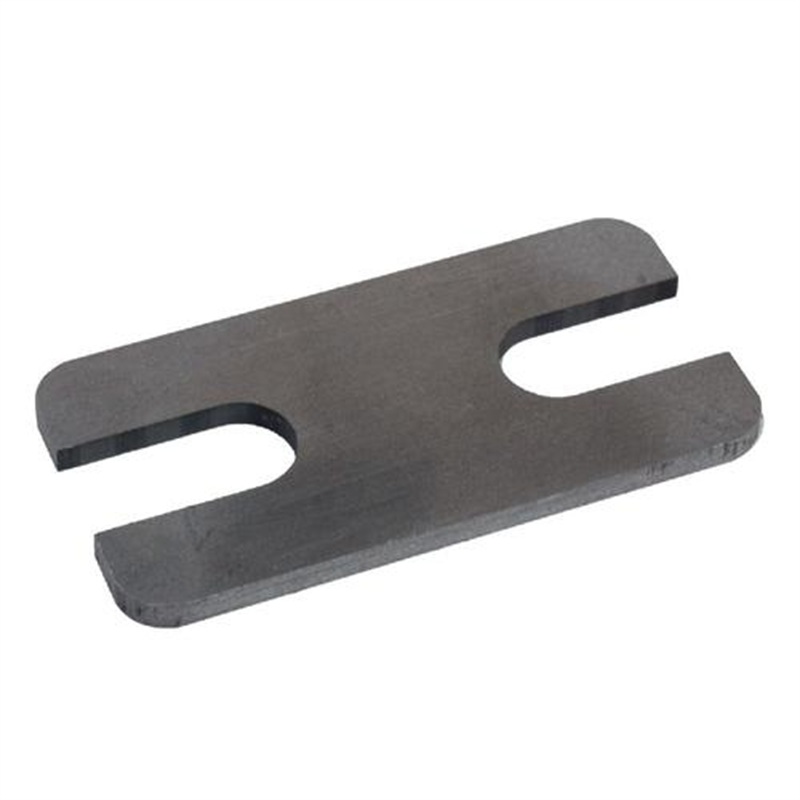
Customer Application Case (Anonymous)
-Case 1: A certain aerospace research institute
Requirement: Satellite reflector substrate, weight ≤ 500g, thermal expansion coefficient<6 ppm/K. Solution: Using AlSiC with 65% SiC content, reducing weight by 40% and thermal deformation by 70%. –Case 2: New energy vehicle companies Requirement: The heat dissipation substrate for electric vehicle motor controllers must have insulation withstand voltage ≥ 3kV and thermal conductivity>200 W/(m · K).
Solution: Customized ceramic copper-clad AlSiC three-layer composite material, with a 25% increase in heat dissipation efficiency and a 2-fold extension of module lifespan.
-Case 3: Laser equipment manufacturer
Requirement: High power laser cavity, requiring thermal conductivity>150 W/(m · K) and airtightness<10 ⁻⁹ Pa · m ³/s.
Solution: Near net formed AlSiC integrated cavity, replacing multi piece assembly, meeting leakage rate standards and reducing costs by 20%.
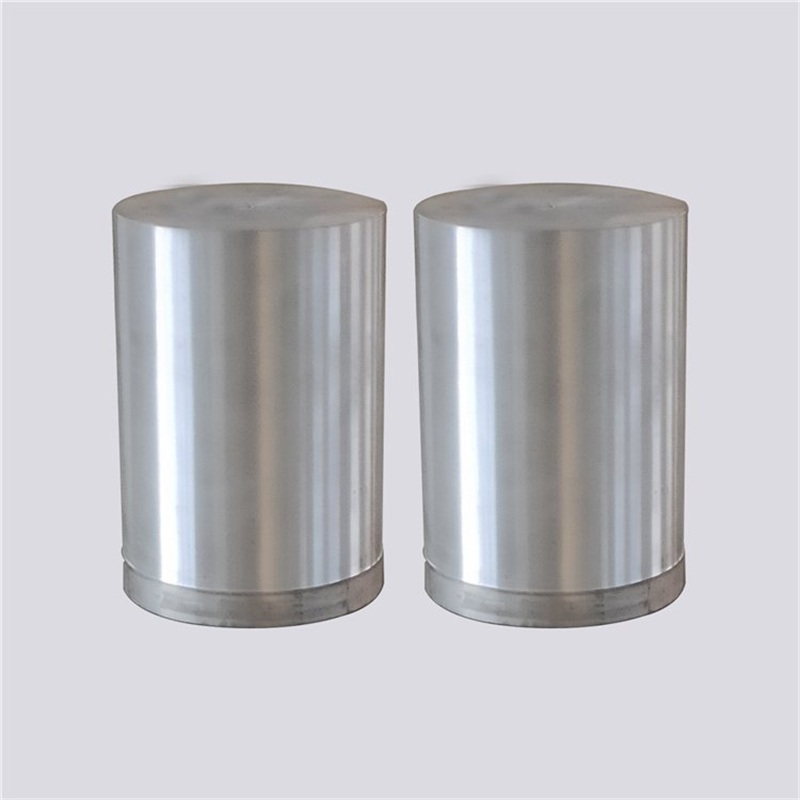
Aluminum based silicon carbide composite materials are redefining the performance limits of high-end equipment – whether pursuing ultimate heat dissipation, lightweight, or stability, they are a reliable solution.
If you need to customize samples or obtain technical solutions, please feel free to contact us at any time to help your project “go light” and efficiently dissipate heat!
Brudeze Ceramics supplies and sells a wide range of high-quality quartz glass, including alumina ceramics, zirconia ceramics, silicon nitride ceramics, aluminum nitride ceramics, silicon carbide ceramics, boron carbide ceramics, bioceramics, machinable ceramics, etc. We can meet the customization requirements of various ceramic products.
PREVIOUS:What is aluminum-based silicon carbide composite material
NEXT:What are the properties of aluminum based silicon carbide composite materials
CATEGORIES
LATEST NEWS
- Which is more wear-resistan...
- Are microcrystalline cerami...
- What is the difference betw...
- Compared to ordinary cerami...
- What are the main material ...
- Large sized microcrystallin...
- What is the maximum operati...
- Low dielectric constant mic...
- High hardness and wear-resi...
- Low expansion microcrystall...