
High toughness of zirconia ceramics
Zirconia ceramics (ZrO ₂) are known as “ceramic steels”, and their core breakthrough lies in completely changing the traditional perception of high ceramic brittleness through phase transformation toughening mechanism. By adding stabilizers such as yttrium oxide, zirconia undergoes a martensitic transformation from tetragonal to monoclinic under stress, absorbing energy and preventing crack propagation, achieving a fracture toughness of up to 15MPa · m ¹/², which is 5-10 times that of ordinary alumina ceramics. This characteristic of combining metal toughness and ceramic hardness makes it an ideal choice to replace metals under harsh working conditions.
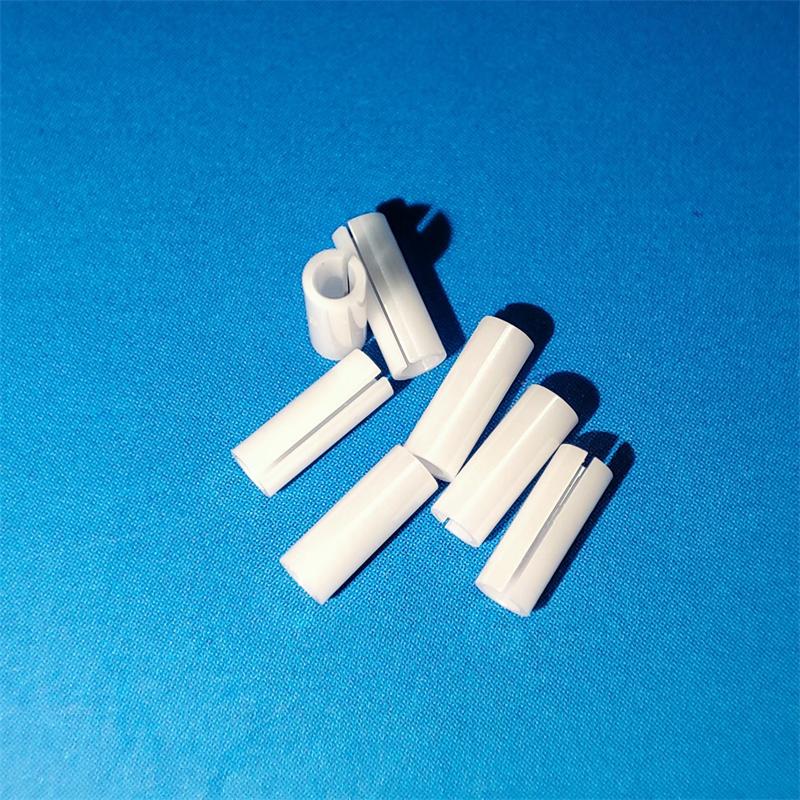
User Q&A: We will explain the resilience issue you are concerned about in one go
Q: The precision parts I design need to withstand frequent impact loads. I have used alumina ceramics before, which are wear-resistant but crack easily upon impact. Can zirconia really solve this problem?
Answer: Absolutely possible. The core advantage of zirconia ceramics is high toughness. When subjected to external impact, the material undergoes “phase transformation toughening” – the tetragonal crystal at the crack tip instantly transforms into a monoclinic phase, accompanied by 3-5% volume expansion, generating compressive stress that firmly “grips” the crack and prevents it from expanding. This self-healing mechanism makes the impact resistance of zirconia ceramics far superior to other ceramics, and even comparable to some metals.
Q: We are a medical device manufacturer that requires precision processing of dental and orthopedic implants. We require both strength and non brittleness. Can zirconia meet the biocompatibility requirements?
Answer: It fully complies. Zirconia is widely recognized as a biologically inert ceramic, which is extremely stable in physiological environments, free of metal ion precipitation, and has excellent biocompatibility. Its high toughness ensures that the fine structure at the micrometer level will not collapse during biting or weight-bearing, and its transparency is highly similar to natural teeth, making it an ideal material for making all ceramic crowns and artificial joints.
Q: Can this high-performance material be made into the complex shapes I need? For example, thin-walled casing with internal threads?
Answer: This is exactly our expertise. Based on advanced molding processes such as hot die casting, CIP cold isostatic pressing, and CNC precision machining, we support full-size customization according to drawings. We can achieve a machining accuracy of 0.002mm for both 0.5mm diameter micropores and complex irregular surfaces, ensuring perfect compatibility with your equipment.
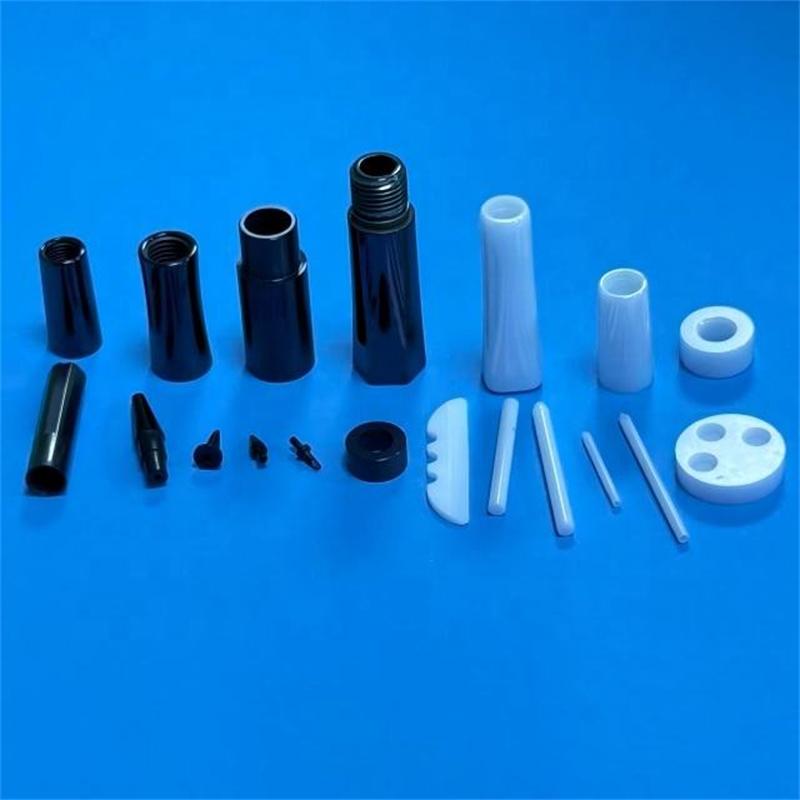
Technical decryption: Why do zirconia ceramics have “steel bars and iron bones”?
- Core toughening mechanism: intelligent protection induced by phase transformation
The high toughness of zirconia ceramics is due to its unique stress-induced phase transformation toughening mechanism:
-Crystal structure design: By adding stabilizers such as yttrium oxide (Y ₂ O3) and cerium oxide (CeO ₂), the high-temperature stable tetragonal phase (t phase) is “frozen” to room temperature.
-Intelligent response: When a material is subjected to external forces and cracks occur, the stress concentration at the crack tip triggers the rapid transformation of the metastable tetragonal phase into a stable monoclinic phase (m-phase).
-Energy absorption: The phase transition process is accompanied by a 3-5% volume expansion, generating a strong compressive stress field around the crack, which is equivalent to “clamping” the crack and preventing it from further expanding.
-Data speaks for itself: The fracture toughness of stable zirconia can reach 15MPa · m ¹/², and the strength can reach up to 15GPa, completely overturning the stereotype of ceramics breaking at a touch. - Comprehensive performance advantages: not just toughness
-Ultra high hardness and wear resistance: second only to diamond in hardness, with excellent wear resistance, suitable for grinding media and cutting tools.
-Extreme environmental tolerance: With a melting point of up to 2715 ℃, it can maintain stable mechanical properties even at high temperatures; Resistant to strong acid and alkali corrosion, with excellent chemical stability.
-Biocompatibility: It is non-toxic and non allergenic in the human body, has low surface wettability, and is conducive to cell adhesion. It is the golden material for medical implants.
-Elegant appearance: By adding colorants, various colors such as ivory white and high-end black can be presented, meeting the aesthetic needs of consumer electronics and luxury goods.
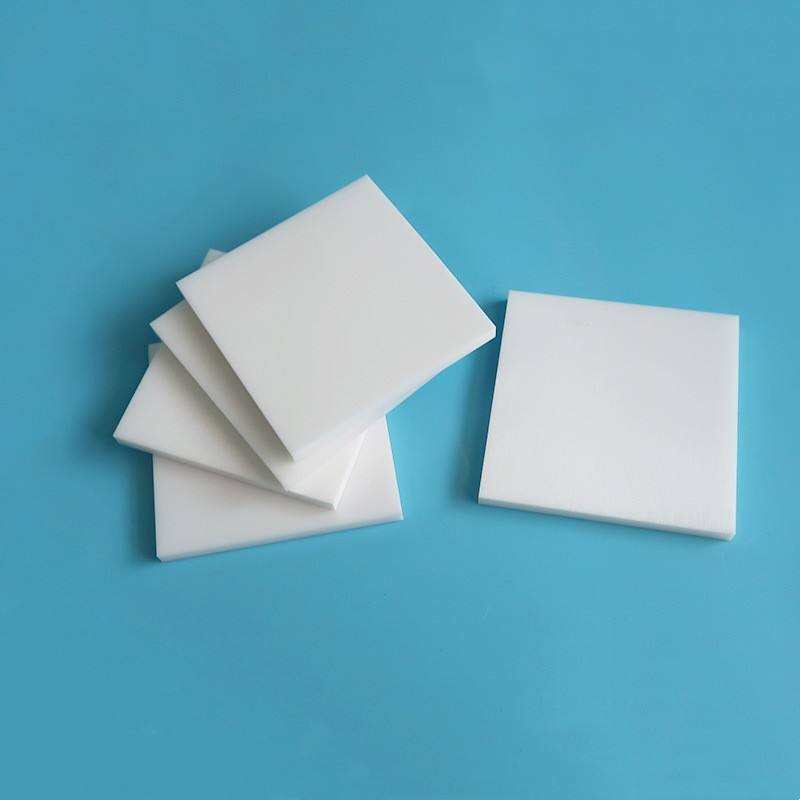
Infinite possibilities: diversified specifications and precision customization services
We are well aware that every device and every application scenario is unique. Therefore, we provide customized services for the entire industry chain from powder to finished products:
-Standard product series: Zirconia microbeads (grinding media), ceramic rods, ceramic tubes, ceramic plates, ceramic knives, with regular inventory and fast delivery.
-Customized to order (OEM/ODM):
-Forming process: isostatic pressing, injection molding, hot die casting, dry pressing to meet different complex structural requirements.
-Processing accuracy: CNC internal and external circular grinding, ultrasonic processing, ensuring dimensional tolerances are controlled within ± 0.002mm, with industry-leading concentricity and perpendicularity.
-Surface treatment: Mirror polishing can reach Ra<0.02 μ m, reducing friction coefficient and improving self-cleaning performance.
-Minimum order: Supports quick sampling service with a minimum order of 2 pieces, helping you with zero pressure in new product development.
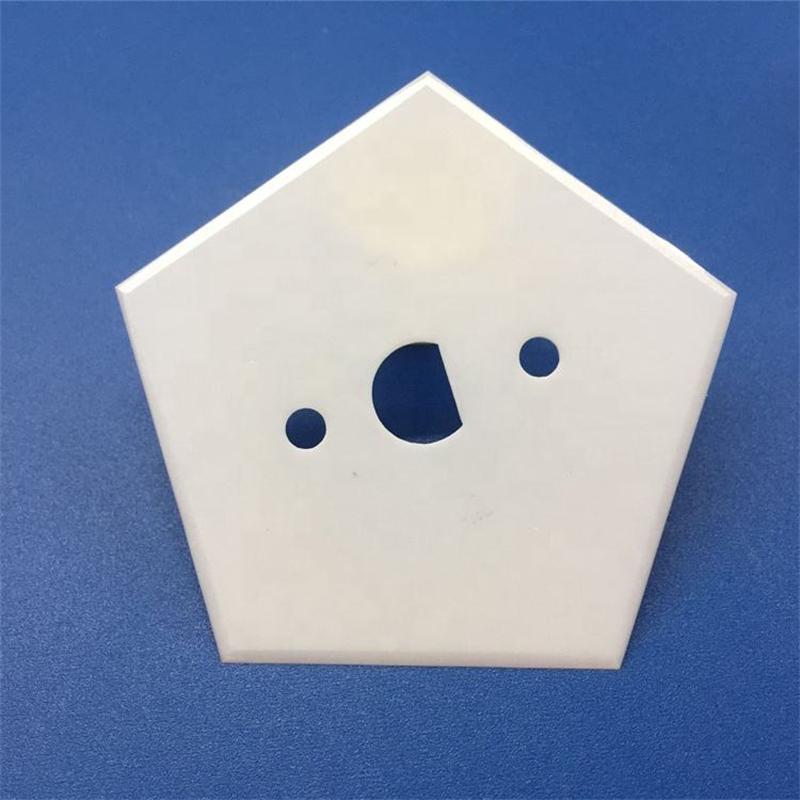
Solution: Why choose our zirconia ceramics?
When you are faced with the dilemma of “metal parts are not wear-resistant and ordinary ceramics are too brittle”, we are your most reliable technical partner:
- Full industry chain closed-loop advantage: From the independent synthesis of nanoscale zirconia powder, to molding, sintering, precision processing, and strict quality control testing, we achieve full process independent control. This not only reduces costs by more than 10%, but also ensures the ultimate stability between product batches.
- Deep cultivation and innovation of technology: Our technical team has overcome the stability problem of mass production of ultrafine zirconia powder, and our independently developed intelligent quality inspection system has stabilized the product qualification rate at over 99%.
- Deep integration of industry, academia and research: Long term cooperation with top domestic material laboratories to continuously optimize toughening mechanisms and low-temperature aging resistance, ensuring that products always stay at the forefront of technology.
- Zero risk quality commitment: Triple quality control (process self inspection, circulation re inspection, and full shipment inspection), with all testing data traceable. We promise that any product that does not meet the agreed standards will be redone free of charge or refunded in full.
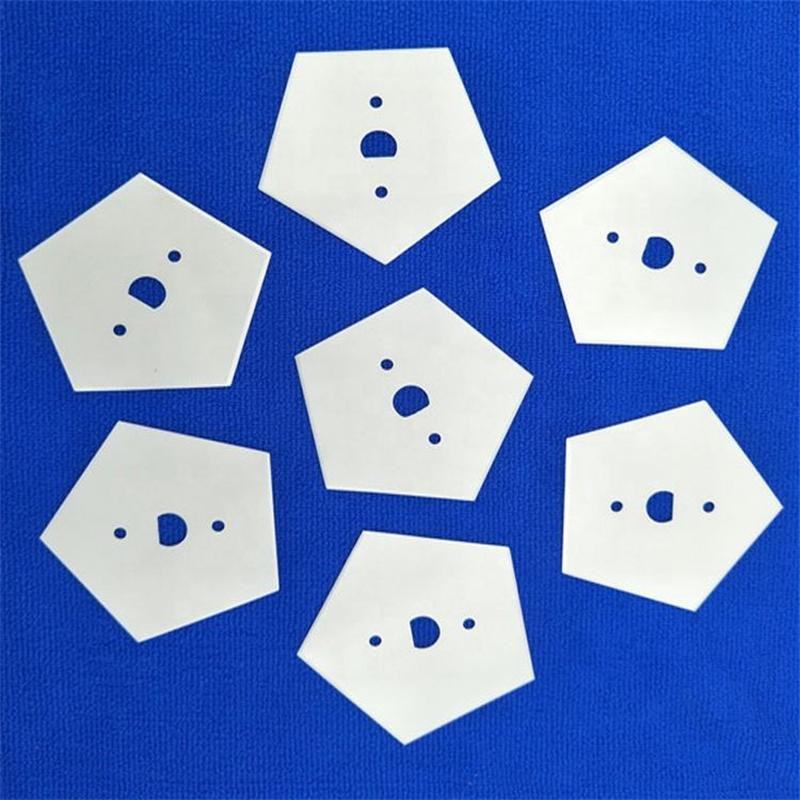
Customer Application Cases
Case 1: A leading new energy technology company – upgrading the grinding medium for lithium battery positive electrode materials
-Faced with demand: The company produces high nickel ternary cathode materials with extremely strict requirements for magnetic foreign matter content (ppb level). The original zirconia grinding microbeads showed slight wear and tear during long-term use, resulting in the inclusion of foreign objects and affecting the battery cycle life. At the same time, the impact force under high-speed grinding requires microbeads to have extremely high resistance to breakage.
-Solution: We have customized high toughness yttrium stabilized zirconia microspheres (TZP) for it. By optimizing the particle size and sintering process of the powder, the grain structure of the microbeads is made more uniform, and the fracture toughness is improved to over 12MPa · m ¹/², while ensuring a roundness of ≥ 94% and reducing internal friction.
-Final effect:
-Extended lifespan: After 6 months of continuous operation, the wear rate of microbeads was only 1/3 of the original product, significantly reducing the frequency of replacement.
-Quality improvement: The magnetic foreign matter content in the positive electrode material is reduced by 60%, directly improving the energy density and safety of the battery.
-Customer feedback: The production director of the company stated, “This batch of zirconia microspheres has truly achieved our goal of ‘zero foreign matter’ control and is an indispensable key auxiliary material for building high-end batteries
Case 2: A well-known dental denture processing center – customized fully dissected zirconia dental crowns
-Faced with demand: With the development of digital dentistry, the center needs a material that combines high transparency, high strength, and high toughness to produce a fully anatomical crown in the posterior tooth area (without the need for porcelain decoration), which can withstand enormous chewing force and prevent porcelain fracture during biting.
-Solution: We provide multi-layer zirconia ceramic blocks and optimize cutting parameters with their CAD/CAM equipment. The material adopts a stress-induced phase transformation toughening mechanism to ensure sufficient fracture resistance in the thin gingival margin (thickness only 0.3mm) area.
-Final effect:
-Aesthetic and functional unity: The restoration has a realistic color and translucency similar to natural teeth. After 12 months of clinical follow-up, there were no cases of porcelain fracture or breakage after wearing teeth.
-Improved processing efficiency: Optimized cutting performance reduces tool wear and shortens processing time by 20%.
-Doctor’s evaluation: “In the past, I used to worry about the patient’s biting force causing fracture when getting a full crown for posterior teeth. Since using your zirconia, I can confidently recommend a full anatomical crown, and the patient satisfaction is very high
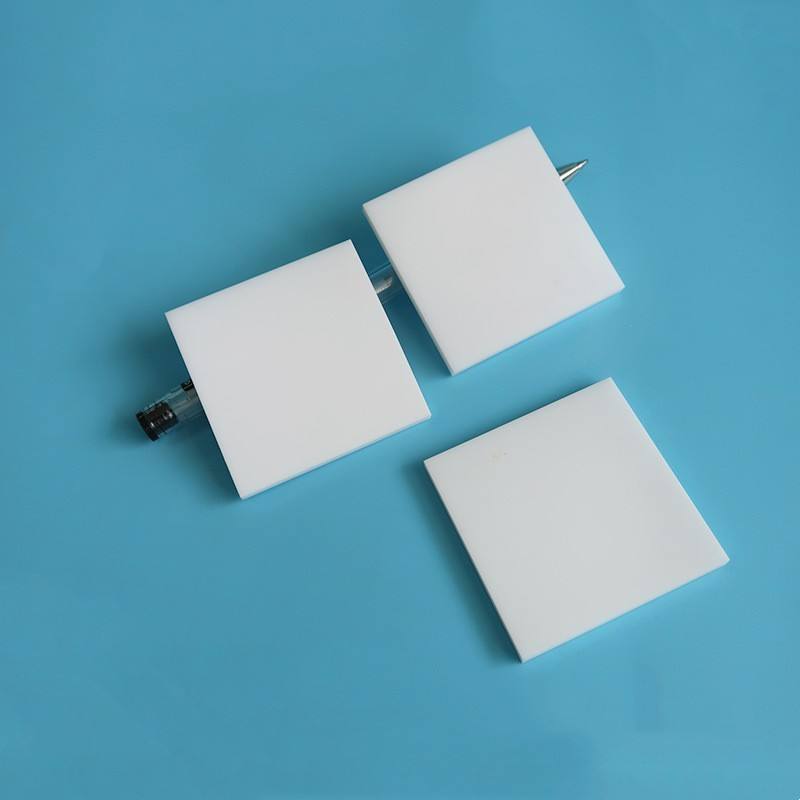
Whether you are looking for high-performance wear-resistant components or need to overcome the biocompatibility challenges of medical devices, we can tailor the best solution for you using high toughness zirconia ceramics as the carrier.
Send the drawings or describe your working requirements immediately, and our engineering team will provide you with professional material selection suggestions and customized quotations within 24 hours!
Brudeze Ceramics supplies and sells a wide range of high-quality quartz glass, including alumina ceramics, zirconia ceramics, silicon nitride ceramics, aluminum nitride ceramics, silicon carbide ceramics, boron carbide ceramics, bioceramics, machinable ceramics, etc. We can meet the customization requirements of various ceramic products.
Tags: boron carbide ceramics
PREVIOUS:What are the applications and advantages of zirconia ceramic substrates
CATEGORIES
LATEST NEWS
- Which is more wear-resistan...
- Are microcrystalline cerami...
- What is the difference betw...
- Compared to ordinary cerami...
- What are the main material ...
- Large sized microcrystallin...
- What is the maximum operati...
- Low dielectric constant mic...
- High hardness and wear-resi...
- Low expansion microcrystall...