
Application of Zirconia Ceramics in the Nuclear Industry
Zirconia (ZrO ₂) ceramics have become an indispensable key material in the nuclear industry due to their excellent fracture toughness, high-temperature radiation stability, extremely low neutron absorption cross-section, and outstanding corrosion resistance. From simulating nuclear fuel elements to glassification furnace liners for nuclear waste, it is redefining the performance boundaries of structural components in extreme nuclear environments, providing reliable material solutions for fourth generation advanced nuclear energy systems and fusion devices.
Frequently Asked Questions (FAQ) for Users
Q: The neutron irradiation intensity inside the nuclear reactor is extremely high, and ordinary materials are prone to brittleness or deformation. Can zirconia withstand it?
A: Absolutely possible. Zirconia ceramics have excellent anti irradiation amorphization ability. Recent studies have shown that through specific organizational structure and composition design, zirconia based composite ceramics can effectively suppress the formation and growth of large-sized helium bubbles, thereby maintaining structural stability in heavy ion irradiation environments.
Q: How to solve the severe corrosion and electrical insulation problems of ordinary metal pipelines in high-temperature liquid metal (such as liquid lithium lead) environments?
A: Our zirconia coating technology provides a solution. The uniform zirconia coating prepared on the inner wall of the steel pipe exhibits excellent compatibility after static exposure to liquid lithium lead at 550-600 ° C for 2000 hours, effectively protecting structural materials from corrosion while meeting the resistivity requirements of magnetohydrodynamic insulators (10 ⁻¹⁰Ω· m level).
Q: Is there an alternative to using real uranium dioxide fuel for experiments during the development of nuclear fuel, which is costly and carries radioactive risks?
A: Yes, there is. We provide high-density zirconia based nuclear fuel simulation components (such as “simulated uranium dioxide pellets”), whose physical and thermal properties are highly similar to real fuels. They have been successfully applied in scientific research projects of Tsinghua University Nuclear Research Institute, China National Nuclear Corporation North, and other units, greatly reducing experimental barriers and costs.
Q: The discharge port of the nuclear waste glass solidification furnace needs to withstand high-temperature glass liquid erosion and strong thermal shock. What material can extend its service life?
A: The use of chromium zirconium composite ceramics composed of chromium oxide and nano zirconia is an ideal choice. This material has ultra-low porosity, high elastic modulus, excellent resistance to strong thermal shock and erosion, and can significantly extend the service life of the discharge outlet of the high radioactive nuclide glass curing furnace.
Core Advantage: A versatile defender in extreme nuclear environments
The reason why zirconia ceramics can occupy an important position in the nuclear industry is due to their unique comprehensive properties:
- Excellent neutron economy: Zirconium has a small thermal neutron absorption cross section (only 0.18 bar), second only to beryllium and magnesium, which makes zirconium containing materials have minimal impact on reactor neutron flux and ideal materials near the core.
- Excellent radiation damage resistance: In heavy ion accelerator irradiation experiments, it was found that composite ceramics such as zirconia toughened alumina (ZTA) exhibit excellent radiation resistance amorphization ability, which can effectively suppress helium bubble growth and maintain material size and performance stability.
- High temperature chemical inertness: In liquid lithium lead (fusion reactor cladding coolant) above 550 ° C, zirconia coating can exist stably for a long time, protecting the base metal from corrosion, which is an advantage that metal materials cannot match.
- Multi functional integration: Zirconia not only has structural strength, but also has oxygen ion conductivity (which can be used as an oxygen sensor to monitor core oxygen potential), electrical insulation (to suppress magnetohydrodynamic effects), and wear and erosion resistance.
Product application: Covering the entire nuclear fuel cycle chain
-Nuclear fuel and simulation materials: Zirconia based nuclear fuel simulation components (such as simulated UO ₂ pellets), used for fuel performance research and non radioactive bench experiments; Inert matrix encapsulating fuel particles.
-Nuclear fusion and liquid metal cladding: Zirconia coating on the inner wall of the liquid tritium breeding pipeline in the fusion reactor cladding, used for tritium permeation resistance, electrical insulation, and corrosion prevention.
-Nuclear waste treatment and glass solidification: The inner lining of the discharge port of the high-level radioactive waste glass solidification furnace bottom is made of chromium zirconium composite ceramics, which can withstand strong erosion and thermal shock of glass melt above 1200 ° C.
-Internal components and sensors of the reactor: zirconia oxygen sensors used to monitor the oxygen partial pressure in the core; Various types of radiation resistant and corrosion-resistant insulation components and seals.
-Nuclear fuel cycle processing equipment: nitric acid resistant valves, pump shafts, and grinding media used in nuclear fuel reprocessing.
Specifications, Dimensions, and Customization Services
In response to the unique nature of the nuclear industry, we provide customized services with high specifications:
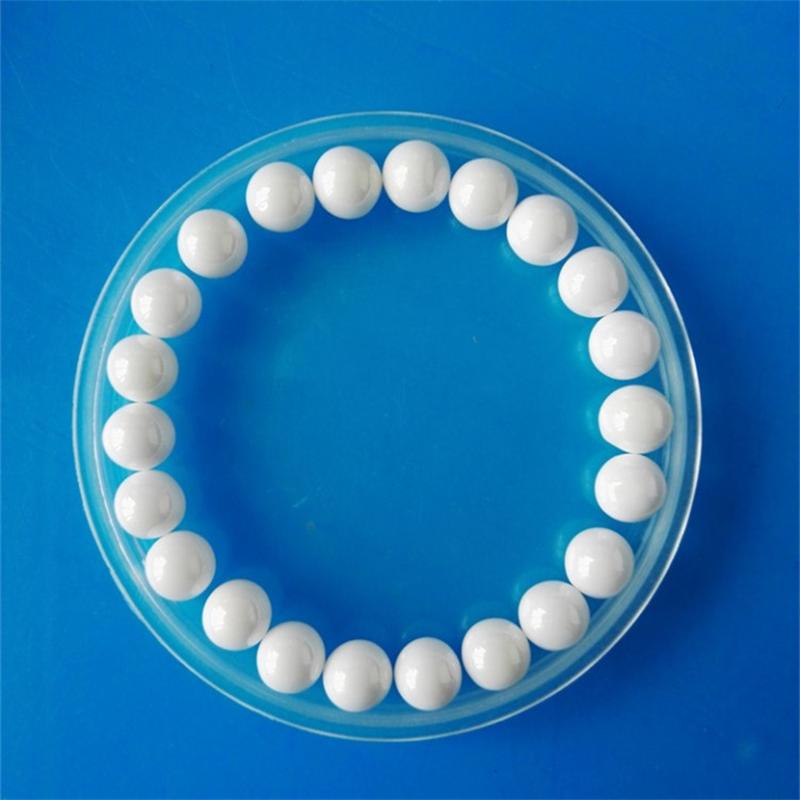
-Nuclear fuel simulation component: can customize cylindrical or annular zirconia core blocks with different diameters (5-20mm), density and thermal conductivity can be adjusted according to customer requirements, simulating fuel characteristics at different burnup stages.
-Precision coating service: Uniform zirconia coatings with thicknesses ranging from nanometer to micrometer (such as 395nm ± 12nm) can be prepared on the inner or outer walls of 316L, P91 and other steel pipes to meet different tritium resistance or insulation requirements.
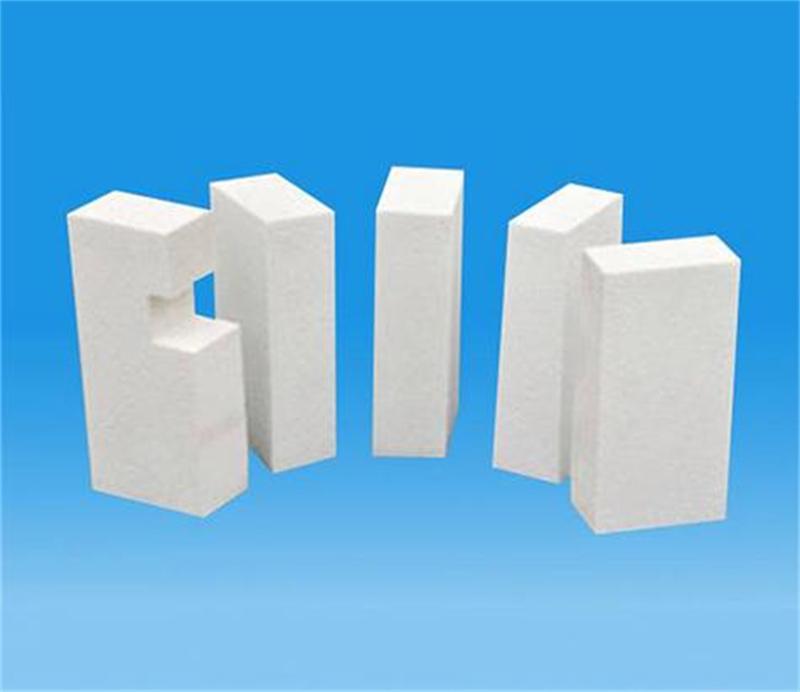
-Irregular large-sized components: For equipment such as glass curing furnaces, large-sized and complex structured chromium zirconium composite ceramic liners can be formed and sintered using volumetric hydraulic forming and high-temperature sintering processes to ensure density and geometric accuracy.
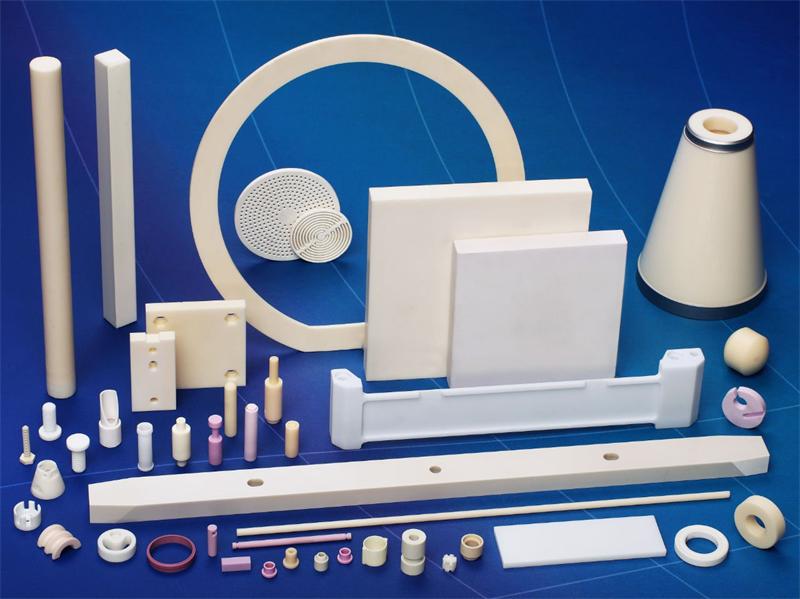
-Composite ceramic materials: We provide composite ceramic plates and rods such as zirconia toughened alumina (ZTA), and achieve synergistic toughening by adding carbide particles/whiskers to meet the requirements of radiation resistant components under high mechanical loads.
Customer Application Cases
Case: A national level nuclear fuel research and development center (anonymous)
-Pain point of demand: The center requires a large number of simulated fuel rods for conducting external thermal hydraulic experiments on new accident tolerant fuel (ATF) cladding materials. If real uranium dioxide pellets are used, it not only involves cumbersome nuclear material license management and nuclear security issues, but also the cost of radioactive waste disposal after the experiment is extremely high. Meanwhile, the experiment needs to be conducted in a high-temperature, high-pressure, and corrosive hydrochemical environment, requiring the simulated material to be corrosion-resistant and dimensionally stable.
-Solution: We have provided customized zirconia (ZrO ₂) simulated fuel pellets for the center. By utilizing the similar density, heat capacity, and thermal conductivity of zirconia and uranium dioxide, we produced simulated parts with diameters and heights identical to real pellets through isostatic pressing and high-temperature sintering processes. At the same time, in response to the possible slightly acidic environment in the experimental circuit, we optimized the ratio of yttrium oxide stabilizer to further enhance the corrosion resistance of the material.
-Final effect:
-The experimental cost has been significantly reduced: the administrative and safety protection costs caused by nuclear material control have been completely eliminated, and the experimental preparation period has been shortened from months to weeks.
-Data validity verification: After 2000 hours of high-temperature and high-pressure cycling testing, the simulated core block showed no cracking or corrosion, and the geometric dimension change rate was less than 0.1%, providing highly reliable basic data for the thermal hydraulic calculation of fuel rods.
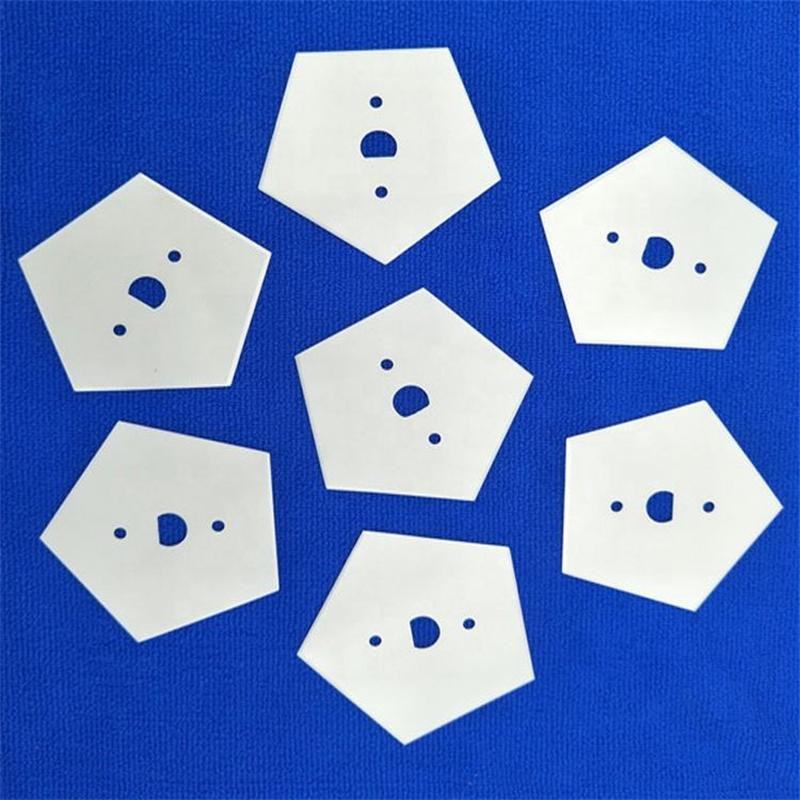
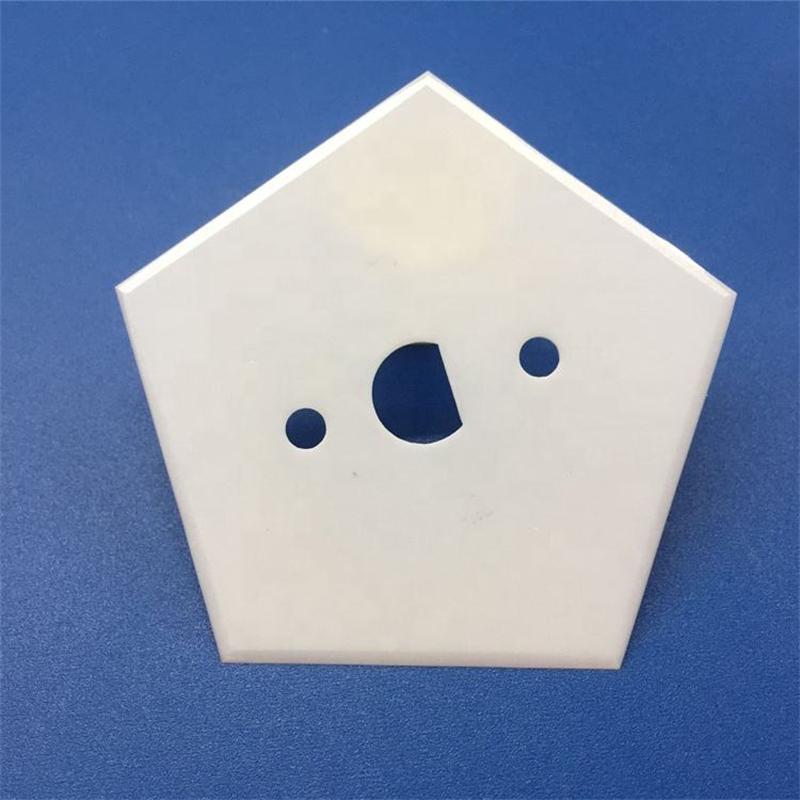
-Improved testing flexibility: Different specifications of simulated chips (such as chips with central holes) can be quickly customized according to experimental needs, greatly accelerating the research and development progress.
Whether it’s advanced coatings for fusion reactors or simulated fuels and corrosion-resistant components for fission reactors, we can provide you with one-stop services from material design to product delivery.
Contact us immediately for technical consultation and customized procurement solutions for nuclear grade zirconia ceramics!
Brudeze Ceramics supplies and sells a wide range of high-quality quartz glass, including alumina ceramics, zirconia ceramics, silicon nitride ceramics, aluminum nitride ceramics, silicon carbide ceramics, boron carbide ceramics, bioceramics, machinable ceramics, etc. We can meet the customization requirements of various ceramic products.
PREVIOUS:Applications of zirconia ceramics in the aerospace industry
CATEGORIES
LATEST NEWS
- Which is more wear-resistan...
- Are microcrystalline cerami...
- What is the difference betw...
- Compared to ordinary cerami...
- What are the main material ...
- Large sized microcrystallin...
- What is the maximum operati...
- Low dielectric constant mic...
- High hardness and wear-resi...
- Low expansion microcrystall...