
What are the applications and advantages of zirconia ceramic substrates
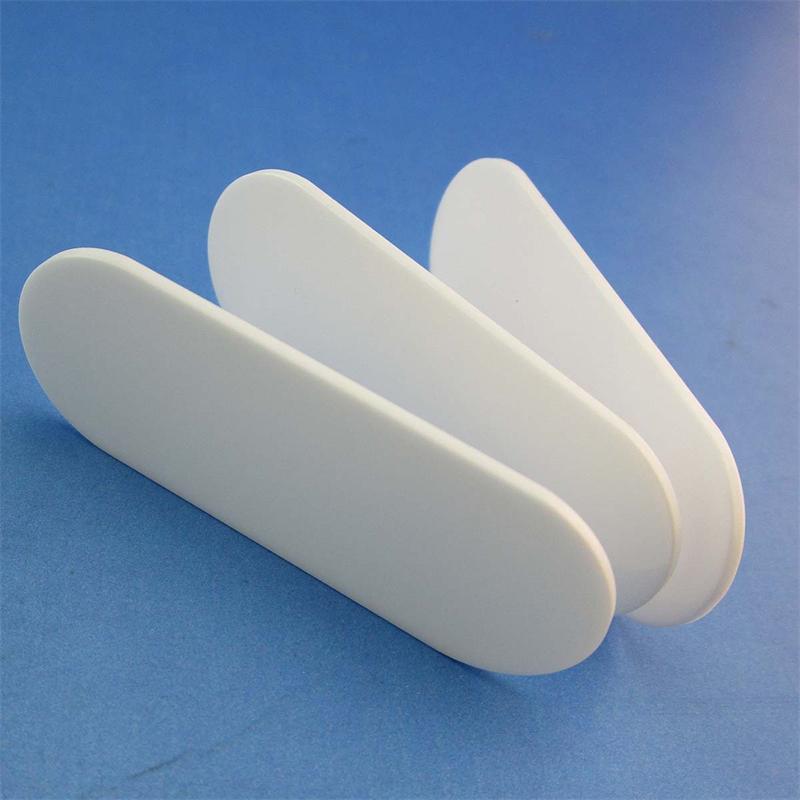
Zirconia ceramic substrate is a precision electronic functional ceramic made mainly from high-purity zirconia (ZrO ₂) through casting, forming, and high-temperature sintering. It plays a key role in the fields of electronic packaging, optical communication, and high-precision equipment due to its excellent toughness and wear resistance. Unlike traditional substrates, zirconia not only possesses the high insulation and low thermal expansion characteristics of ceramics, but also solves the industry problem of precision components cracking easily in hot pressing and complex stress environments with its unique “phase transition toughening” mechanism.
Frequently Asked Questions (FAQ)
Q1: Can zirconia substrate solve the problem of uneven product thickness caused by base expansion during high-temperature compression of the precision mold I designed?
A: Absolutely possible. The thermal expansion coefficient of zirconia ceramic substrate is extremely low (close to that of metal), and it hardly deforms at high temperatures of 400 ℃. Kyocera has already had mature cases of using zirconia plates as hot press bases, successfully suppressing mold deformation at the micrometer level and greatly improving product accuracy.
Q2: The internal space of smart wearable devices is limited, and it is necessary to balance signal penetration and scratch resistance. Can this substrate meet the requirements?
A: This is precisely its core application area. Zirconia ceramic substrate not only has a jade like texture and extremely high surface hardness (scratch and wear resistance), but also is “transparent” to electromagnetic signals, perfectly solving the signal shielding problem of metal shells in the 5G era. It is an ideal material for high-end smart watch cases and mobile phone backboards.
Q3: In medical implants or chemical environments, ordinary materials are either not corrosion-resistant or have insufficient toughness. How does zirconia perform?
A: Performed exceptionally well. Zirconia is widely recognized as a biologically inert ceramic, which is extremely stable in human physiological environments or strong acids and bases. More importantly, its fracture toughness far exceeds that of alumina, effectively resisting crack propagation, avoiding the risk of “brittle fracture”, and ensuring long-term safety for use.
Core advantages of the product
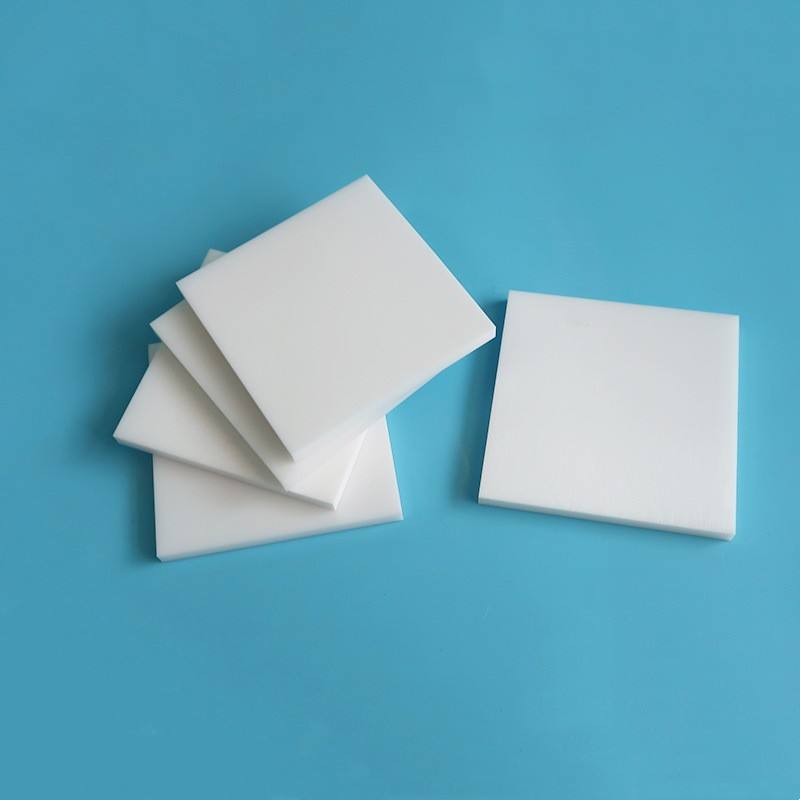
Our zirconia ceramic substrate is not just a “board”, but also a key material for solving application bottlenecks in high-precision and high loss scenarios.
-Phase transition toughening properties: This is the most significant advantage that distinguishes zirconia from other ceramic substrates. When a material is subjected to external forces, its crystal structure undergoes a transition from tetragonal to monoclinic phase, which can absorb a large amount of energy, prevent crack propagation, and make its toughness several times that of alumina ceramics.
-Low thermal expansion and thermal conductivity balance: The coefficient of thermal expansion is close to that of silicon chips and common metals, which means less thermal stress in power module packaging and significantly improves the long-term reliability of solder joints and interfaces. At the same time, its moderate thermal conductivity can meet the thermal management needs in specific scenarios.
-Extremely high hardness and wear resistance: The surface Vickers hardness can reach 1200-1400 GPa, and the friction coefficient is extremely low after mirror polishing. In applications such as mechanical guides, wire harness guide wheels, or grinding fixtures, the lifespan far exceeds that of metal parts and stainless steel.
-Chemical stability and biocompatibility: Almost no reaction occurs in physiological saline, and no metal ion precipitation occurs. This has enabled it to pass rigorous biocompatibility testing and be widely used in orthopedic implants and dental restorative materials.
Product Application Cases
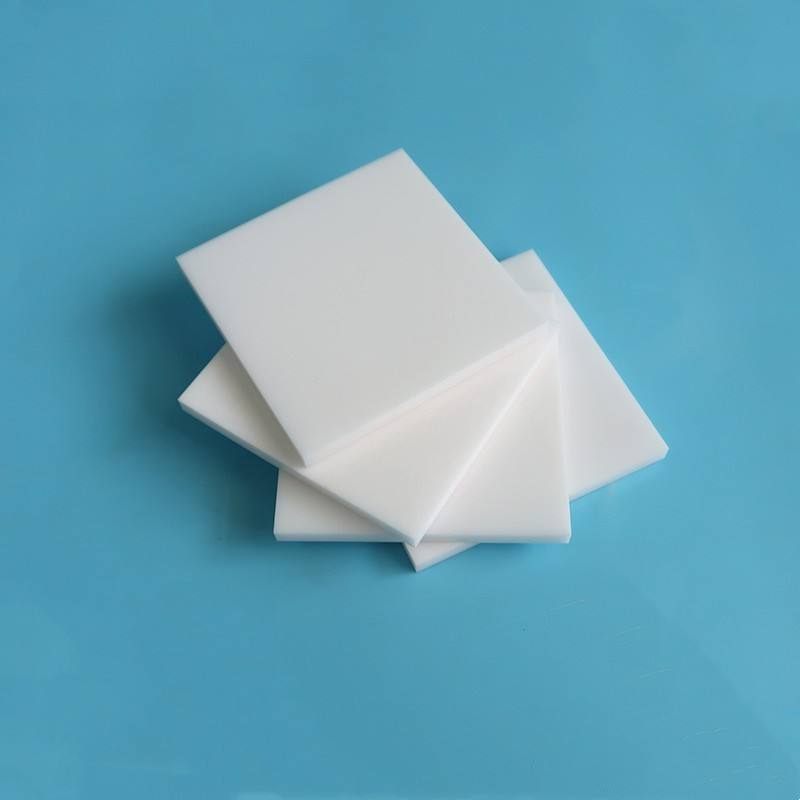
In order to better understand how zirconia ceramic substrates solve practical problems, the following are two typical application scenarios:
Case 1: Precision Base of High Frequency Hot Pressing Equipment
Requirement: A certain multi-layer PCB board manufacturer needs to perform laminated hot pressing at a high temperature of 400 ℃ when producing high-frequency flexible boards. The original metal base deformed due to thermal expansion, resulting in excessive thickness tolerance in bulk products, with a yield rate of only about 82%.
Solution: We have customized a high-precision ground zirconia ceramic substrate (dimensional accuracy ± 0.01mm) for it. By utilizing its low thermal expansion (coefficient of thermal expansion of about 10 ⁻⁶/K) and high rigidity, it can replace the original metal base and directly support the mold.
Final effect: After replacement, the equipment has zero deformation of the base size under continuous high-temperature operation, and the consistency of product thickness has been improved to over 99.5%. This zirconia substrate not only solves the problem of thermal expansion, but its excellent insulation also reduces the conduction of heat to the equipment body, extending the service life of the equipment.
Case 2: Well known brand smart watch case and bezel
Requirement: When developing a new generation of high-end smartwatches, a leading consumer electronics brand (such as GoerTek/Shunluo Electronics supply chain customers) requires a material that not only has high wireless charging efficiency, unobstructed signal, but also is skin friendly, sweat resistant, and strong enough to withstand drops.
Solution: High toughness zirconia ceramic substrate is used, which is finely processed and shaped by CNC, and then subjected to surface mirror polishing and diamond-like coating treatment as the bottom shell and bezel components of the watch.
Final effect: This solution perfectly integrates aesthetics and functionality. The warm texture of ceramics enhances the product grade and completely solves the interference problem of metal shells on GPS and Bluetooth signals. After drop testing, its impact resistance far exceeds that of glass materials, becoming a standard configuration for high-end wearable devices.
Customized services and specifications
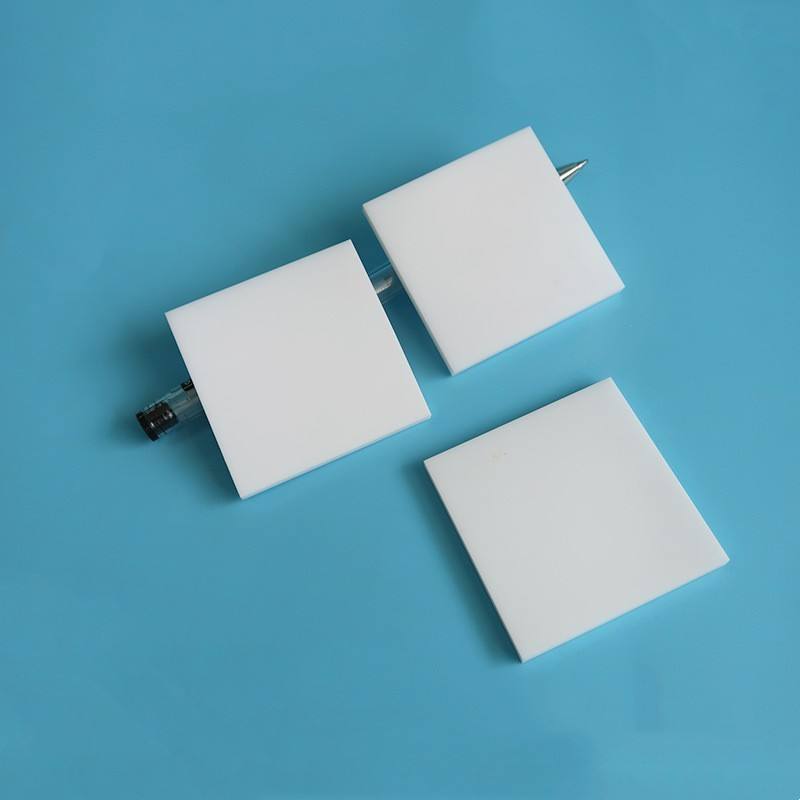
We are well aware that standard products are difficult to perfectly match cutting-edge designs. We provide on-demand customization services for the entire process from powder to finished products:
-Size specifications: Supports ultra-thin boards with a minimum thickness of 0.1mm, up to large-sized substrates of 300mm x 300mm. The thickness tolerance can be controlled within ± 0.02mm.
-Shape processing: In addition to standard square and circular shapes, complex irregular grooves, through holes, and step structures can also be processed according to drawings.
-Surface state: Provides various surface treatments such as “sintered state”, “ground state”, and “mirror polished state” to meet different thick film circuit or appearance decoration needs.
-Formula adjustment: The content of yttrium oxide (Y ₂ O3) stabilizer can be adjusted according to customer needs, or rare earth doping modification can be carried out to obtain specific colors (such as black, pink) or specific mechanical properties.
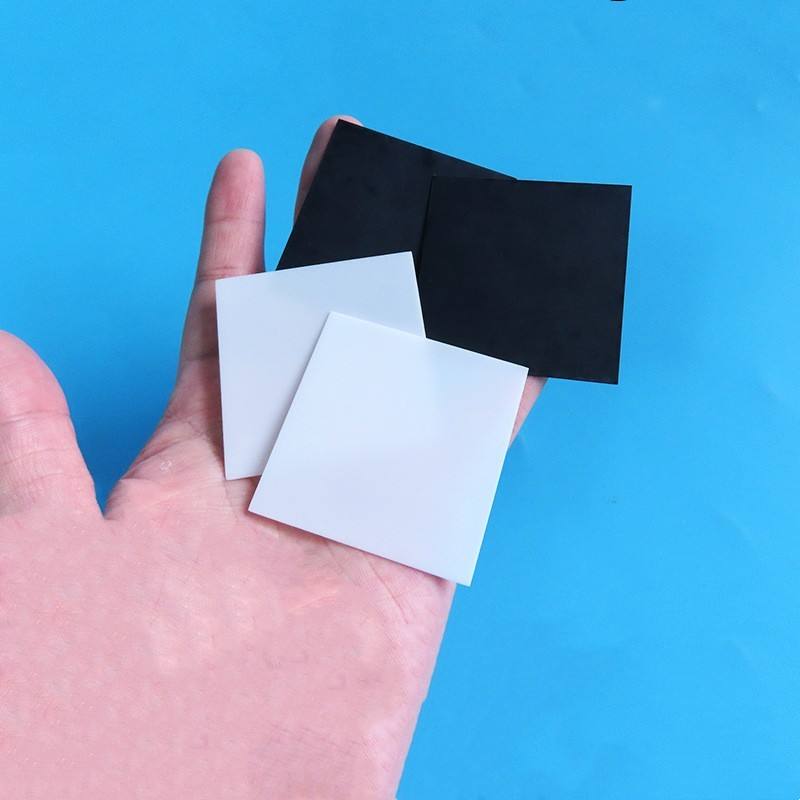
If you are looking for a ceramic substrate solution that maintains dimensional stability at high temperatures, combines aesthetics and toughness, and supports deep customization, please contact us immediately. Send us your drawings or technical parameters, and our engineers will provide you with professional material selection and quotation services within 24 hours.
Brudeze Ceramics supplies and sells a wide range of high-quality quartz glass, including alumina ceramics, zirconia ceramics, silicon nitride ceramics, aluminum nitride ceramics, silicon carbide ceramics, boron carbide ceramics, bioceramics, machinable ceramics, etc. We can meet the customization requirements of various ceramic products.
PREVIOUS:What are the structural components of zirconia ceramics and what are their applications
CATEGORIES
LATEST NEWS
- Which is more wear-resistan...
- Are microcrystalline cerami...
- What is the difference betw...
- Compared to ordinary cerami...
- What are the main material ...
- Large sized microcrystallin...
- What is the maximum operati...
- Low dielectric constant mic...
- High hardness and wear-resi...
- Low expansion microcrystall...