
Thermal insulation performance of zirconia ceramics
Zirconia ceramics (ZrO ₂) have become an irreplaceable key material in the field of industrial high-temperature insulation due to their extremely low thermal conductivity (as low as 0.23 W/(m · K)) and high temperature resistance limit of over 2200 ℃. Its unique phase transition toughening properties and chemical stability enable it to build a strong thermal barrier and withstand severe thermal impacts in aviation engines, high-temperature kilns, and precision hot pressing equipment, solving the problem of metal materials being unable to balance strength and insulation at ultra-high temperatures.
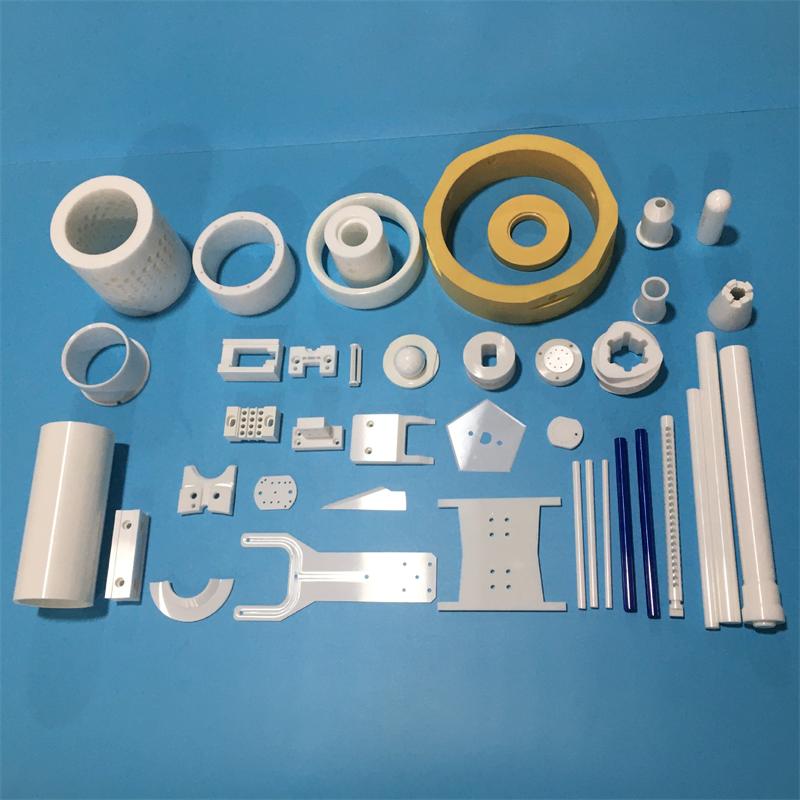
Product FAQ
Q1: In ultra-high temperature furnaces above 2200 ℃, ordinary refractory materials are prone to pulverization and conduct heat quickly. How to ensure the safety of equipment outer walls and reduce energy consumption?
A: Zirconia ceramics have extremely low thermal conductivity at high temperatures (such as a thermal conductivity of only 0.23-0.35 W/(m · K) for zirconia hollow sphere bricks), which can effectively block heat conduction and isolate furnace temperatures of thousands of degrees, ensuring safe operation outside the furnace and significantly better energy-saving effects than traditional materials.
Q2: In the hot pressing process (such as 400 ℃ hot pressing), the mold base expands due to heat, resulting in product accuracy deviation. How to solve this problem?
A: Zirconia not only provides thermal insulation, but also has a coefficient of thermal expansion (CTE) close to that of steel, making it dimensionally stable when heated. Using high-precision processed zirconia plates as the base can suppress mold deformation caused by thermal expansion and control thickness accuracy within ± 0.01mm.
Q3: Aerospace components need to withstand intense alternating cold and heat (thermal shock), which insulation materials will not crack?
A: Zirconia ceramics have excellent thermal shock resistance (up to 280-350 Δ T ℃), with a fracture toughness of up to 9 MPa · m ¹/². They can maintain structural integrity in rapid cooling and heating environments, making them an ideal coating or lining material for rocket nozzles and hot end components of aircraft.

Thermal insulation mechanism and core advantages of zirconia ceramics
- Extremely low thermal conductivity: blocking heat from the microscopic level
The thermal insulation of zirconia is attributed to its microstructure. Especially for zirconia hollow sphere bricks or fiber products, by introducing pores (with a visible porosity of up to 55%~60%) and utilizing the thermal insulation properties of air, the thermal conductivity is reduced to an extremely low level.
-Solid dense zirconia: thermal conductivity of about 2.0~2.5 W/(m · K) (still much lower than alumina).
-Zirconia hollow spheres/fiber products: The thermal conductivity can be as low as 0.019~0.23 W/(m · K), suitable for ultra-high temperature insulation layers. - Ultra high operating temperature
-Long term temperature resistance: Stable zirconia products can work for a long time in an environment of 2200 ℃, with a short-term limit temperature resistance of over 2700 ℃, which is a height that metals and most ceramics cannot achieve.
-Fire resistance: The main crystal phase is cubic zirconia, with a fire resistance greater than 2400 ℃. - Chemical stability and corrosion resistance
Zirconia exhibits extremely high chemical inertness in both oxidizing and reducing atmospheres, and is not infiltrated by molten metal or glass. It is suitable as a furnace lining for smelting high-purity metals to avoid pollution. - Excellent mechanical compatibility
-Thermal expansion matching: The coefficient of thermal expansion is close to that of metals (such as steel), making it suitable as a thermal insulation coating or composite base for metal components, and not easily peeled off due to thermal stress.
-High strength and toughness: The bending strength can reach 800-2000 MPa, making it both an insulation layer and a load-bearing structure.

Product application areas
-Ultra high temperature industrial kilns: such as tungsten rod furnaces, molybdenum furnaces, carbon black reaction furnaces, and insulation layers for the lining and furnace cover of quartz melting furnaces.
-Aerospace: Thermal protection materials for aircraft wing leading edges, engine hot end components, heat shields, and rocket nozzles.
-Precision hot pressing equipment: used as a base plate and insulation gasket for hot pressing molds to ensure dimensional accuracy at high temperatures.
-Energy and Chemical Industry: Thermal Insulation for Nuclear Reactors, High Temperature Components for Solar Thermal Power Generation Systems, and Lining for Petrochemical Cracking Furnaces.
-Special ceramic components: high-temperature fixtures, insulation flanges, ceramic pistons, etc.
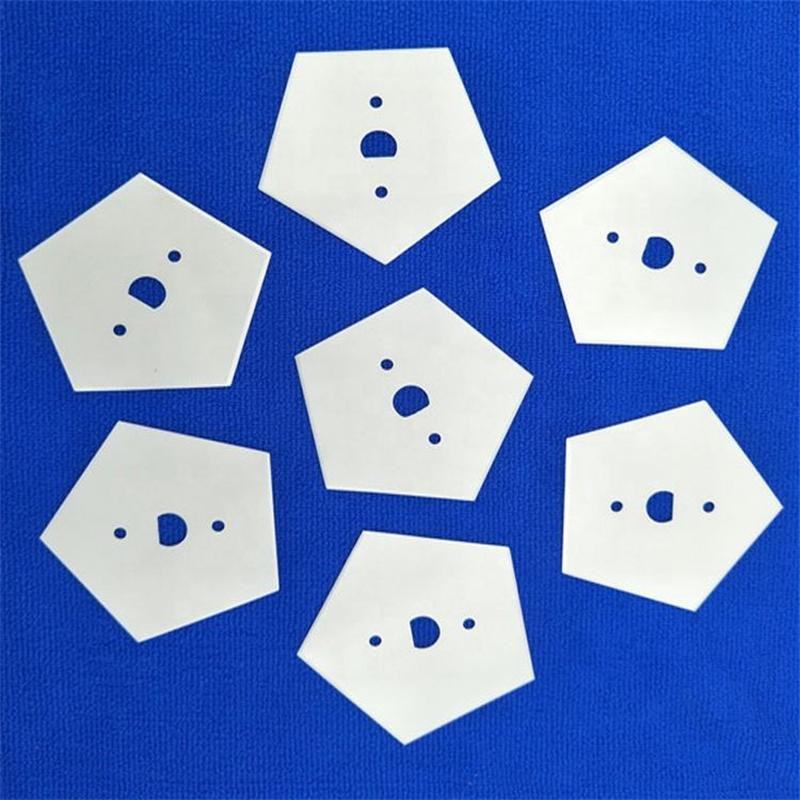
Specifications and Customization Services
We provide customized solutions for the entire process from raw materials to finished products, meeting the insulation needs of different temperature zones and stress environments:
-Form customization:
-Confidential documents: grinding plate, ceramic ring, piston, insulation gasket.
-Porous/lightweight components: Zirconia hollow sphere bricks (bulk density 2.5-3.0 g/cm ³), fiberboard, irregular shapes
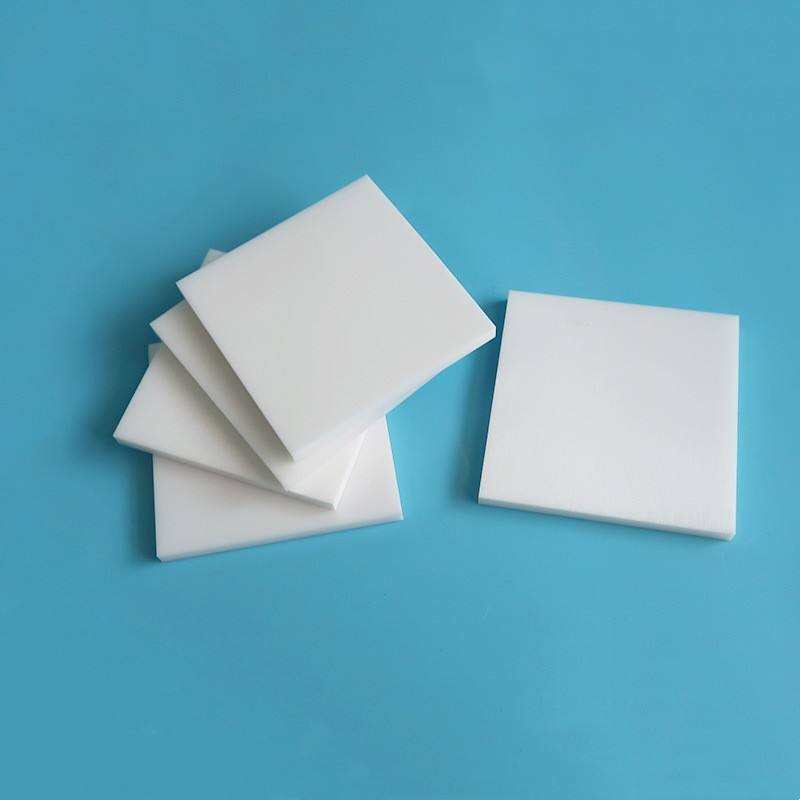
Customer Application Cases
Case: A domestic aviation precision manufacturing enterprise (anonymous)
-Customer requirement: When developing a new hot pressing process for high-temperature alloys, the customer needs to apply precise pressure to the mold at a high temperature of 400 ℃. The original cement base expanded due to heat, causing deformation of the lower mold and poor consistency in product thickness, with a yield rate of only 65%.
-Solution: We provide customized high-precision zirconia ceramic plates to replace the original cement base. By utilizing the low thermal expansion coefficient (close to metal) and good insulation performance of zirconia, heat is prevented from being conducted to the compressor while ensuring that the base does not deform when heated. Double sided precision grinding was carried out on the zirconia plate to ensure a thickness accuracy of ± 0.01mm.
-Final effect:
-Precision improvement: The deformation of the mold is completely suppressed, the uniformity of product thickness is greatly improved, and the product qualification rate has jumped from 65% to 98%.
-Energy saving and stability: The low thermal conductivity of zirconia reduces heat loss to equipment, not only saving energy, but also avoiding hydraulic system failure of the press due to high temperature.
-Extended lifespan: The high hardness (Mohs hardness 8.2) and wear resistance of zirconia plates ensure that their surfaces remain intact during frequent hot pressing cycles, resulting in a much longer service life than traditional materials.
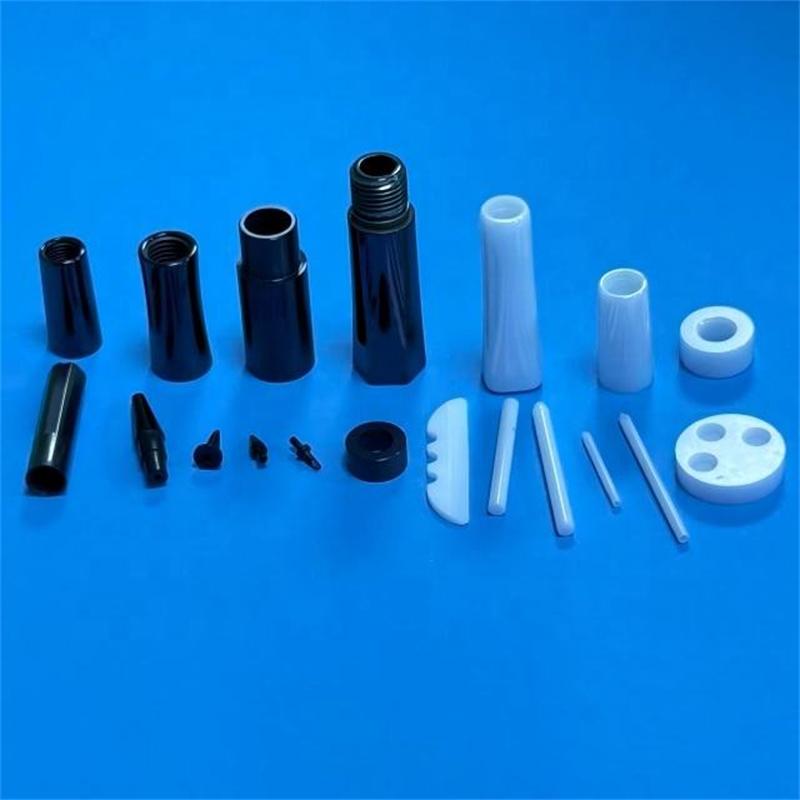
Looking for a stable and reliable thermal barrier for your ultra-high temperature process?
Whether it’s standard insulation bricks or high-precision shaped ceramic components, we can customize them according to the drawings and samples. Contact our engineers immediately for exclusive insulation solutions tailored to your furnace temperature characteristics and stress conditions!
Brudeze Ceramics supplies and sells a wide range of high-quality quartz glass, including alumina ceramics, zirconia ceramics, silicon nitride ceramics, aluminum nitride ceramics, silicon carbide ceramics, boron carbide ceramics, bioceramics, machinable ceramics, etc. We can meet the customization requirements of various ceramic products.
Tags: boron carbide ceramics
CATEGORIES
LATEST NEWS
- Which is more wear-resistan...
- Are microcrystalline cerami...
- What is the difference betw...
- Compared to ordinary cerami...
- What are the main material ...
- Large sized microcrystallin...
- What is the maximum operati...
- Low dielectric constant mic...
- High hardness and wear-resi...
- Low expansion microcrystall...