
Low dielectric constant microcrystalline glass
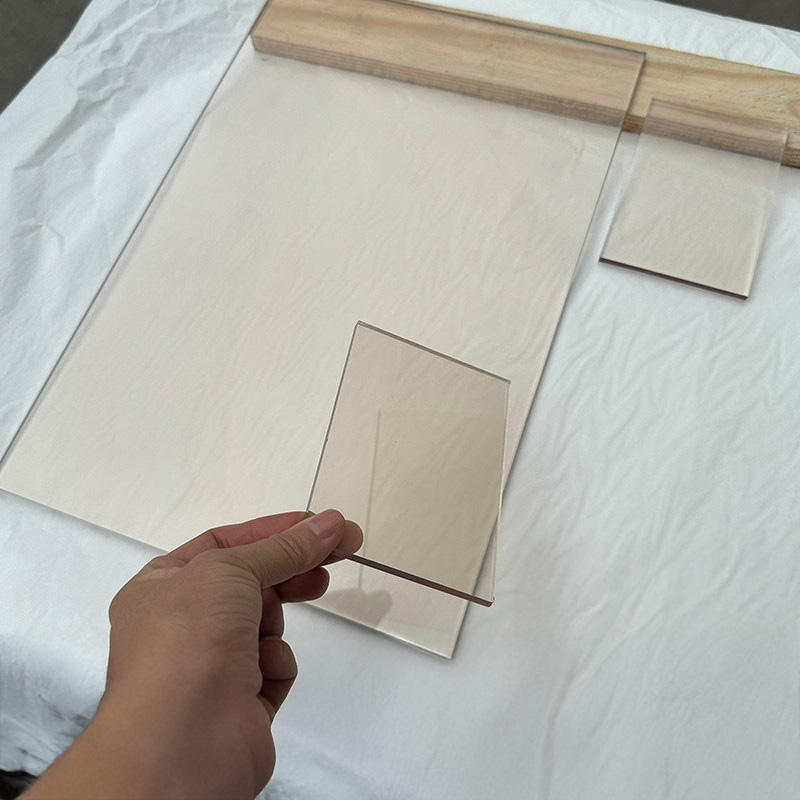
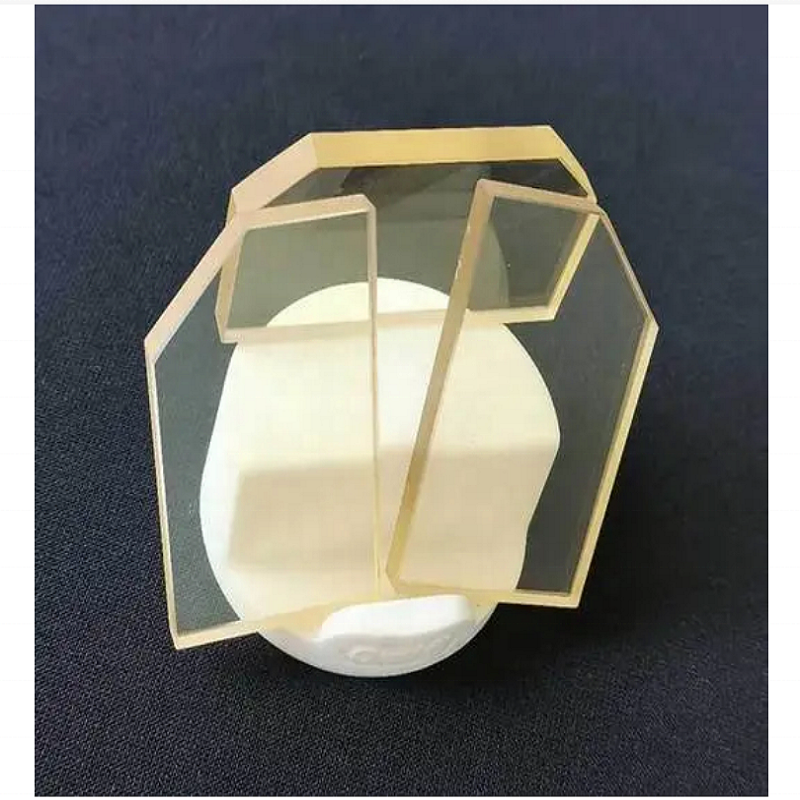
Low dielectric constant microcrystalline glass is a new type of inorganic non-metallic material designed specifically for high-frequency communication and advanced electronic packaging. It combines extremely low dielectric constant, ultra-low signal loss, and excellent thermal mechanical stability, which can perfectly match the thermal expansion coefficient of semiconductor chips. As a new generation of RF substrate material, it provides a highly reliable foundation for 5G/6G communication and high-performance computing.
FAQ
Q1: What are the core performance indicators of low dielectric constant microcrystalline glass?
A: The dielectric constant (Dk) of this material can usually be controlled around 4.0 and remains stable over a wide frequency band; The dielectric loss (tan δ) is extremely low, ensuring minimal signal transmission attenuation. Meanwhile, its coefficient of thermal expansion (CTE) is precisely controlled to achieve a high degree of matching with semiconductor materials such as silicon wafers.
Q2: Can this microcrystalline glass meet the processing requirements of complex structures?
A: Absolutely possible. We provide full-size customization services from micrometer to meter levels. The material has excellent mechanical processing performance and can be processed into various complex 3D shapes through CNC machining. The surface roughness can reach the nanometer level (Ra<5 nm), meeting the requirements of high-precision circuit design.
Q3: Is the material still stable in extreme temperatures or harsh environments?
A: Yes, it is. Low dielectric constant microcrystalline glass has extremely high heat shock resistance and chemical stability. Whether in high-temperature working environments or drastic temperature changes, it can maintain the reliability of size stability and electrical performance, suitable for aerospace and high-power device scenarios.
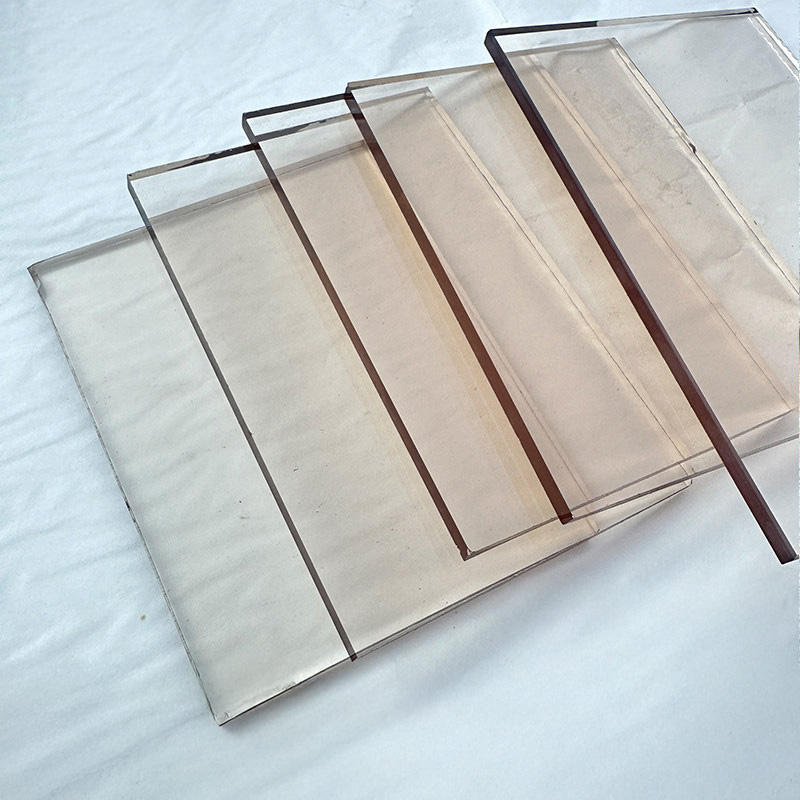
In the development of modern electronic devices, you are facing the dual challenges of decreased integrity of high-frequency signals and thermal stress failure in multi-layer packaging. Our low dielectric constant microcrystalline glass is designed to overcome these challenges. It can not only ensure the lossless transmission of high-speed signals through extremely low dielectric loss, but also completely solve the problems of solder joint fatigue and substrate cracking caused by thermal expansion and contraction with the highly consistent thermal expansion characteristics of the chip, thereby greatly improving the yield and service life of end products.
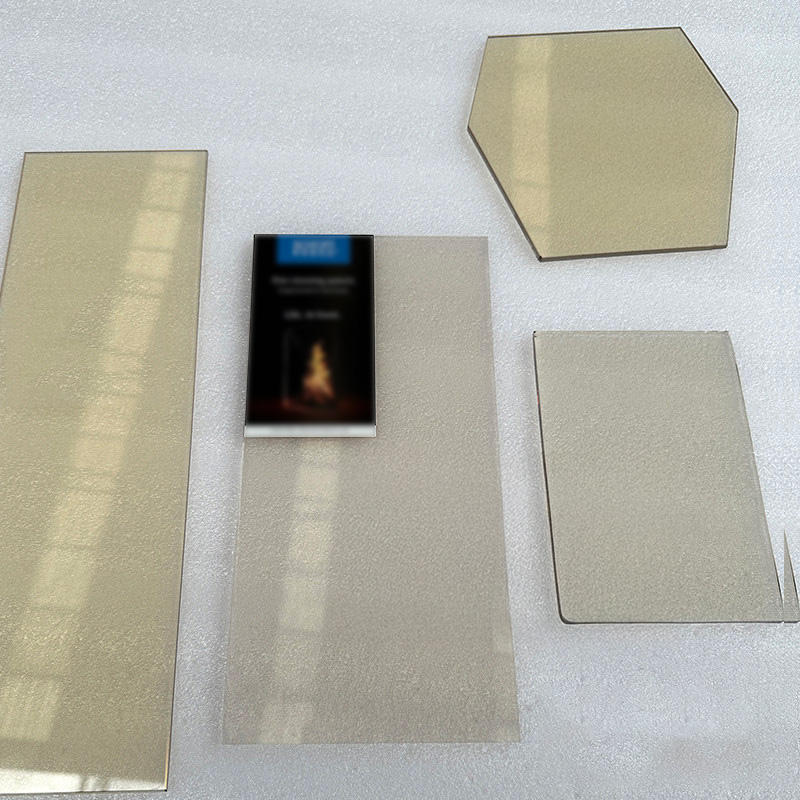
Excellent material performance
High frequency low loss: The optimized microstructure endows the material with extremely low dielectric constant and dielectric loss, effectively reducing signal delay and scattering, making it an ideal substrate for broadband antennas and high-frequency radar systems.
Perfect thermal matching: Through precise control of its composition, its thermal expansion coefficient is highly compatible with silicon (Si), gallium arsenide (GaAs), and various metal lead frames, ensuring extremely high reliability of direct chip assembly (DCA).
High mechanical strength and lightweight: Combining the high hardness of ceramics with the ease of processing of glass, it has high bending strength and moderate density, meeting the stringent requirements for lightweight and high-strength in aerospace and other fields.
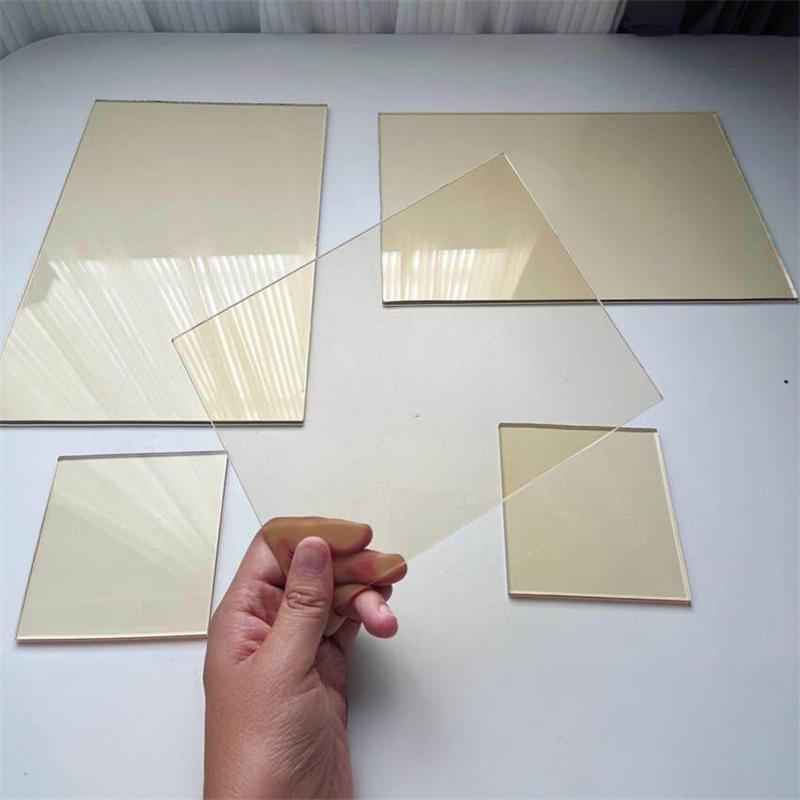
Flexible specification customization service
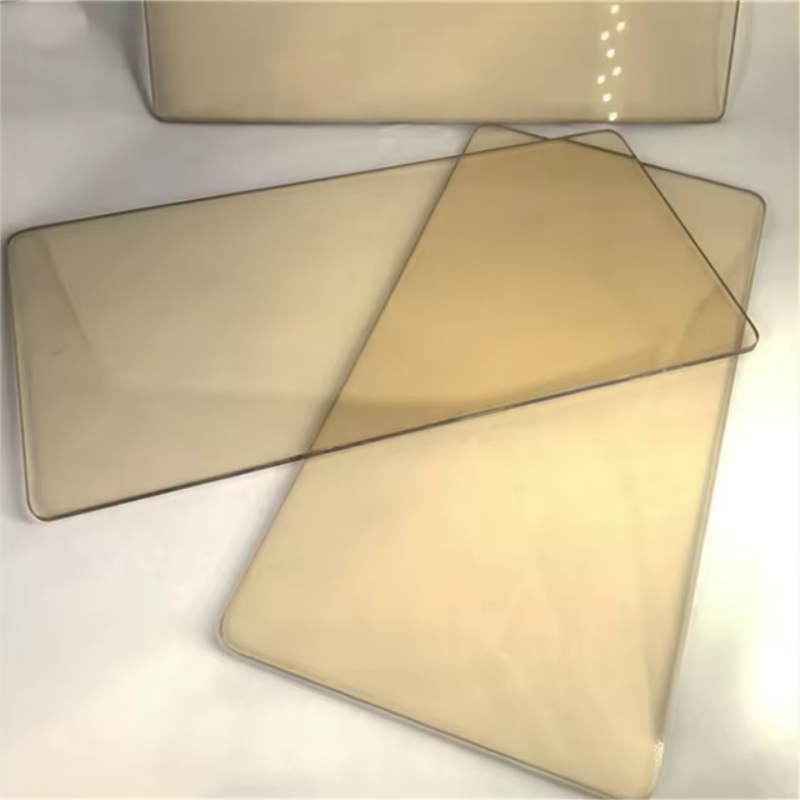
We are well aware of the differentiated requirements for material size in different application scenarios, and therefore provide comprehensive customized solutions. Whether you need ultra-thin substrates for microelectronic packaging or giant mirror blanks for large optical instruments, they can be customized according to your needs. Supports multiple thickness ranges and can perform high-precision CNC cutting, drilling, and polishing processes to ensure that dimensional tolerances reach industry-leading levels.
Widely applicable scenarios
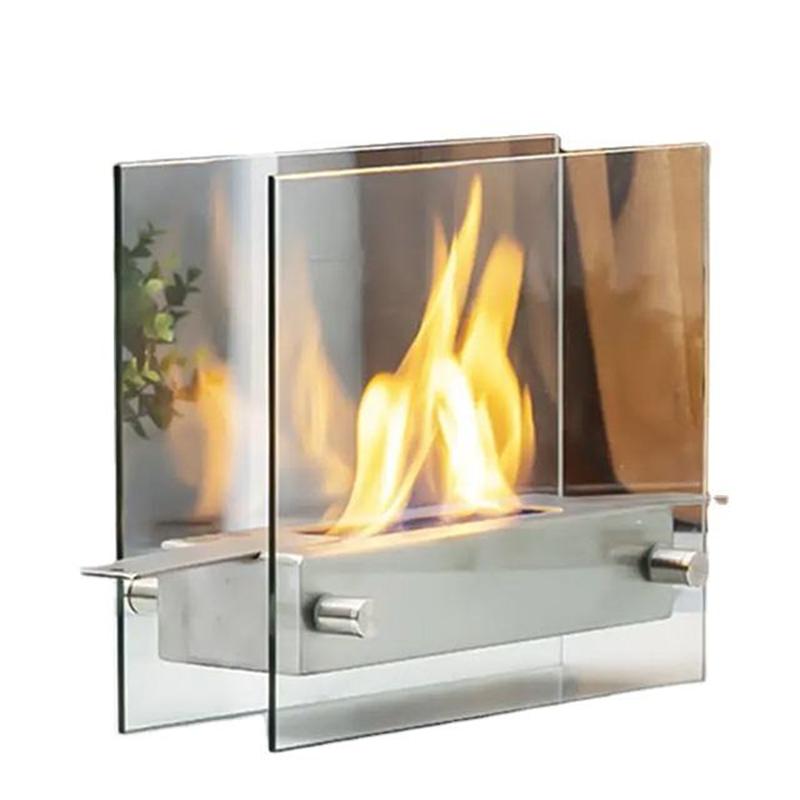
This product is widely used in cutting-edge fields such as 5G/6G wireless communication base stations, high-performance computing (HPC) servers, MEMS sensor packaging, laser gyroscope resonant cavities, and space camera reflectors for deep space detectors. It fully covers the consumer electronics, semiconductor manufacturing, and defense and military industry chains.
Anonymous customer case:
A leading 5G communication equipment manufacturer
The company once faced a severe technological challenge: when developing the next generation of millimeter wave radar antennas, traditional organic substrates had excessive signal attenuation at high frequencies, while conventional ceramic substrates had extremely low yield rates due to mismatched thermal expansion coefficients. After introducing our low dielectric constant microcrystalline glass, we customized substrates with specific thicknesses and surface treatment processes. The test results show that the signal transmission loss has been reduced by more than 30%, and after thousands of high and low temperature cycles, there are no microcracks at the junction between the substrate and the chip. This not only helped the customer successfully pass the rigorous vehicle specification level verification, but also significantly reduced the production cost of its new generation radar antenna, successfully seizing the market opportunity.
If you are looking for low dielectric constant microcrystalline glass materials that can break through existing performance bottlenecks, please feel free to contact us at any time for exclusive specification customization solutions and procurement quotes.
Brudeze Ceramics supplies and sells a wide range of high-quality quartz glass, including alumina ceramics, zirconia ceramics, silicon nitride ceramics, aluminum nitride ceramics, silicon carbide ceramics, boron carbide ceramics, bioceramics, machinable ceramics, etc. We can meet the customization requirements of various ceramic products.
Tags: boron carbide ceramics
PREVIOUS:High hardness and wear-resistant microcrystalline ceramics
CATEGORIES
LATEST NEWS
- Low dielectric constant mic...
- High hardness and wear-resi...
- Low expansion microcrystall...
- High temperature resistant ...
- High grinding zirconia cera...
- Pollution free zirconia cer...
- High purity zirconia cerami...
- Low wear zirconia ceramic b...
- High hardness zirconia cera...
- High density zirconia ceram...