
What is the maximum operating temperature of zirconia ceramic tube
The maximum operating temperature of zirconia ceramic tubes is not a fixed value, but depends on the type of stabilizer and application scenario. Its theoretical melting point is as high as 2715 ℃, and it can withstand extreme high temperatures of about 2500 ℃ in the short term; In terms of long-term stable use temperature, yttrium stabilized zirconia (3Y-TZP) can reach 800-1400 ℃, and fully stabilized zirconia (8Y-ZrO ₂) can operate stably in the temperature range of 1600-2000 ℃. This wide temperature range performance makes it an irreplaceable core material in industrial high-temperature conditions.
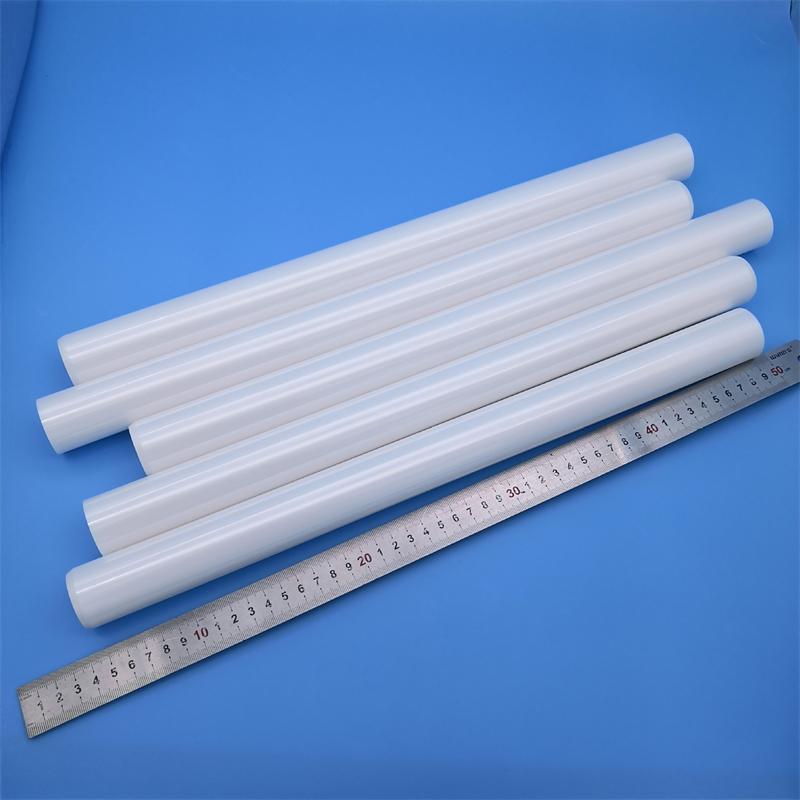
1、 Maximum operating temperature of zirconia ceramic tube: depending on the scenario and formula
Key data support:
Melting point: about 2715 ℃, far exceeding alumina ceramics (2050 ℃) and stainless steel (about 1400 ℃)
Thermal expansion coefficient: Only 9.4 × 10 ⁻⁶/℃ in the range of 25~1500 ℃, close to metal, to avoid interface deformation caused by thermal expansion and contraction
Long term working temperature: generally stable above 1200 ℃, some fully stable formulas can reach up to 2000 ℃
Sintering temperature: 1550-1700 ℃. After high-temperature sintering, the grains are fully bonded, with a density of 6.0g/cm ³ and a hardness of up to 1350HV (HRC88, second only to diamond)
Summary in one sentence: Choosing 3Y-TZP (long-term 1200 ℃+) is sufficient for daily industrial scenarios; Select a fully stable formula for extreme high temperatures (above 1600 ℃); Pure zirconia can be used for short-term working conditions above 2000 ℃, but the thermal cycling rate must be strictly controlled.
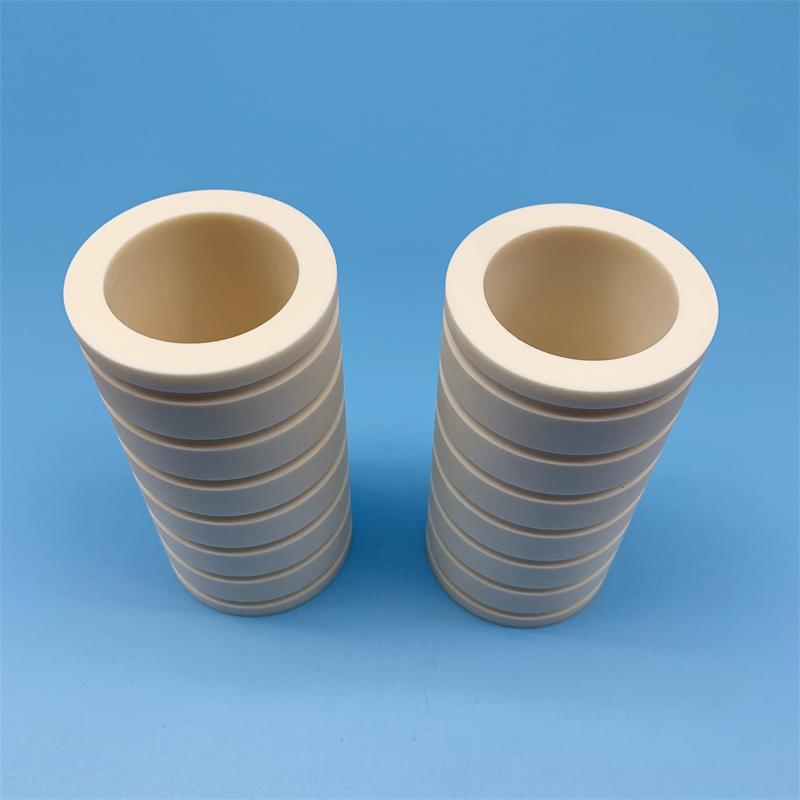
2、 Why is zirconia ceramic tube worth choosing? Six core values
- High temperature resistance – fully covered from 1200 ℃ to 2000 ℃
Ordinary plastic tubes are generally used at temperatures below 150 ℃, while stainless steel tubes will soften and deform above 1300 ℃. Zirconia ceramic tubes are stable above 1200 ℃ for a long time, and the fully stable formula can withstand 2000 ℃, making it the only reliable choice for transporting high-temperature molten materials. - Corrosion resistance – annual corrosion depth is only 2.5 μ m
In a 3.5% NaCl solution, the annual corrosion depth is only 2.5 μ m, which is 1/200 of 316 stainless steel. Transporting concentrated hydrochloric acid, caustic soda, strong acid and alkali, the service life is extended by more than three times compared to stainless steel tubes. - High insulation – volume resistivity of 10 ¹⁴~10 ¹⁶Ω· cm
More than 10 times that of traditional insulating plastics, it still maintains stable insulation in high temperature and high humidity environments. The preferred choice for high-voltage transmission lines of new energy batteries and transmission tubelines of semiconductor equipment. - High strength – compressive strength of 1200-1400MPa, which is three times that of ordinary metals
The fracture toughness is four times that of alumina ceramics, and it is not easily shattered even when dropped freely from a height of 1 meter. The bending strength is 900~1200MPa, comparable to some structural steels. - Lightweight – With a density of only 6.0g/cm ³, it is 24% lighter than stainless steel
Reducing the weight of new energy vehicles by 100kg can increase their range by 10-15 km, and zirconia ceramic tubes have significant advantages in lightweight scenarios. - Biocompatibility – Index up to 98.7%
It does not contain allergenic metal elements such as nickel and chromium, and is highly compatible with the elastic modulus of human bones (30-45GPa). It has passed ISO 10993 certification and is the preferred material for artificial joints and dental implants.
3、 Full specification customization service: We can make the size you want
Inner hole diameter: φ 0.5mm~φ 100mm (the minimum inner hole can be achieved with a diameter of φ 0.5mm and a wall thickness of ≤ 5mm)
Outer diameter range: 1mm~250mm
Length: The longest can reach 550mm, and can be customized for sizes over 100mm
Inner hole accuracy: ± 0.001mm (fiber grade accuracy)
Special shapes: irregular tubes, porous gradient filter tubes, threaded tubes, etc. all support customization according to drawings
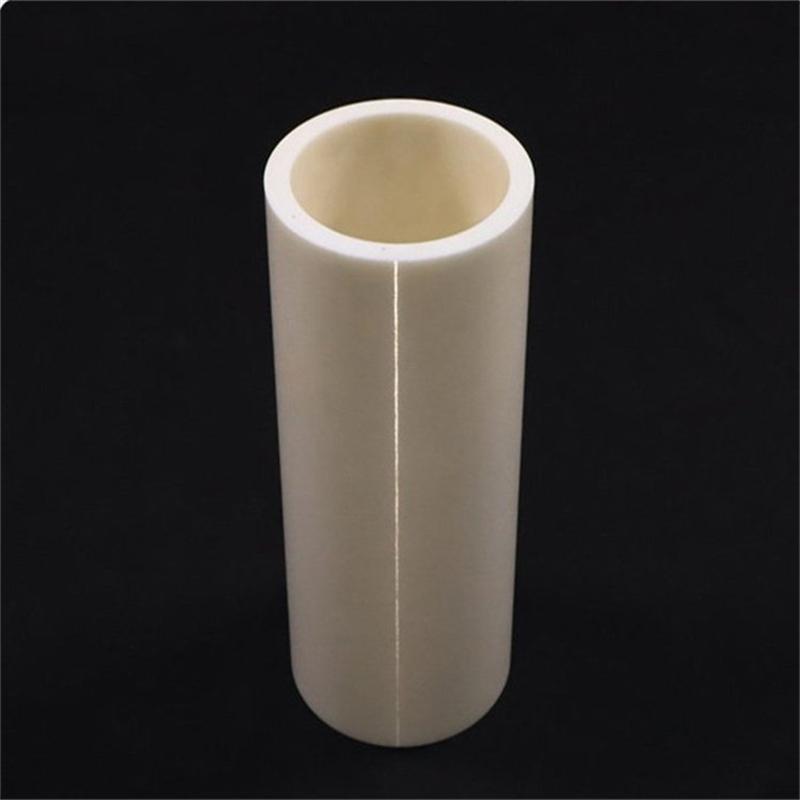
4、 Real application case: What challenges have zirconia ceramic tubes solved?
Case 1: A large steel plant -1300 ℃ molten steel slag conveying tube
Challenge: The original use of stainless steel tubes to transport 1300 ℃ molten steel slag requires replacement on average every 3 months, resulting in 2-3 production interruptions per month and extremely high maintenance costs.
Solution: After replacing the zirconia ceramic tube, the service life of the tubeline is extended from 3 months to over 2 years, maintenance costs are reduced by 60%, and production interruptions are reduced from 2-3 times per month to less than 1 time per year.
Customer feedback: “Saving over 3 million yuan annually on maintenance costs alone is not saving money, but saving lives
Case 2: A certain mine – wear-resistant problem of slurry conveying tube
Challenge: Ordinary cast iron tubes wear and leak within one month, and wear-resistant alloy tubes cannot last for three months. Frequent shutdowns for tube replacement seriously affect production capacity.
Solution: Adopting zirconia ceramic tubes with a Mohs hardness of 7 and HRC88, the wear resistance is 20 times that of ordinary cast iron tubes and 10 times that of wear-resistant steel. The inner wall is smooth with low friction coefficient, and the pumping power is reduced by about 15%.
Result: The service life reaches 18 months, saving over a million yuan in tubeline replacement and downtime costs annually.
Case 3: A Third Class Hospital – Medical Device High Temperature Sterilization Tube
Challenge: Traditional stainless steel instruments have a deformation rate of up to 0.8% in a high temperature sterilization environment of 134 ℃, precision instruments are frequently calibrated, and the service life of CT machine high-voltage insulation sleeves is short.
Solution: Zirconia ceramic tube is used, with a deformation rate of only 0.02% in a high-temperature sterilization environment at 134 ℃, which is 1/40 of stainless steel. The biocompatibility index is 98.7%, with no metal ion precipitation.
Result: The ceramic sterilization box produced by a certain enterprise has no performance degradation after 10000 consecutive uses at a high temperature of 134 ℃, and its lifespan is five times that of traditional stainless steel products. The success rate after 10 years of surgery exceeds 95%.
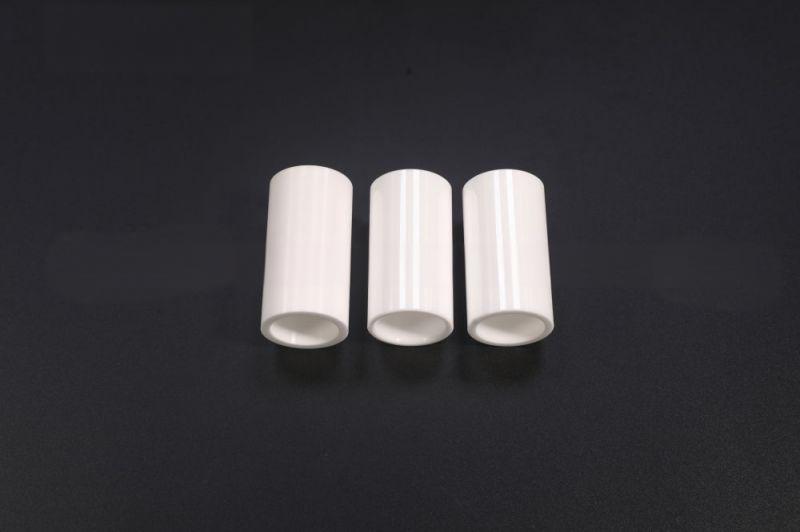
Zirconia ceramic tubes are not a “usable” substitute, but the only material that can meet the five requirements of high temperature resistance, corrosion resistance, high insulation, lightweight, and biocompatibility under extreme working conditions such as 1200 ℃~2000 ℃, strong acid and alkali corrosion, and high insulation requirements. From the molten steel slag tubeline in the steel plant to the implant abutment in your mouth, it is already everywhere.
If you are worried about selecting materials for high-temperature tubelines or have customized requirements for non-standard sizes, please feel free to contact us at any time to obtain exclusive technical solutions and quotations – your problem is our topic.
Brudeze Ceramics supplies and sells a wide range of high-quality quartz glass, including alumina ceramics, zirconia ceramics, silicon nitride ceramics, aluminum nitride ceramics, silicon carbide ceramics, boron carbide ceramics, bioceramics, machinable ceramics, etc. We can meet the customization requirements of various ceramic products.
Tags: boron carbide ceramics
CATEGORIES
LATEST NEWS
- What is the maximum operati...
- Low dielectric constant mic...
- High hardness and wear-resi...
- Low expansion microcrystall...
- High temperature resistant ...
- High grinding zirconia cera...
- Pollution free zirconia cer...
- High purity zirconia cerami...
- Low wear zirconia ceramic b...
- High hardness zirconia cera...