
What is the difference between alumina ceramic tube and zirconia ceramic tube
Alumina ceramic tube and zirconia ceramic tube are two high-end industrial materials with vastly different properties. Aluminum oxide is known for its high hardness, excellent high temperature resistance, and outstanding electrical insulation properties, making it suitable for conventional high temperature and insulation scenarios; Zirconia, on the other hand, is designed for extreme mechanical stress and ultra-high temperature environments due to its core advantages of extremely high fracture toughness, excellent impact resistance, and chemical inertness to molten metals. There are significant differences between the two in terms of cost and application focus.
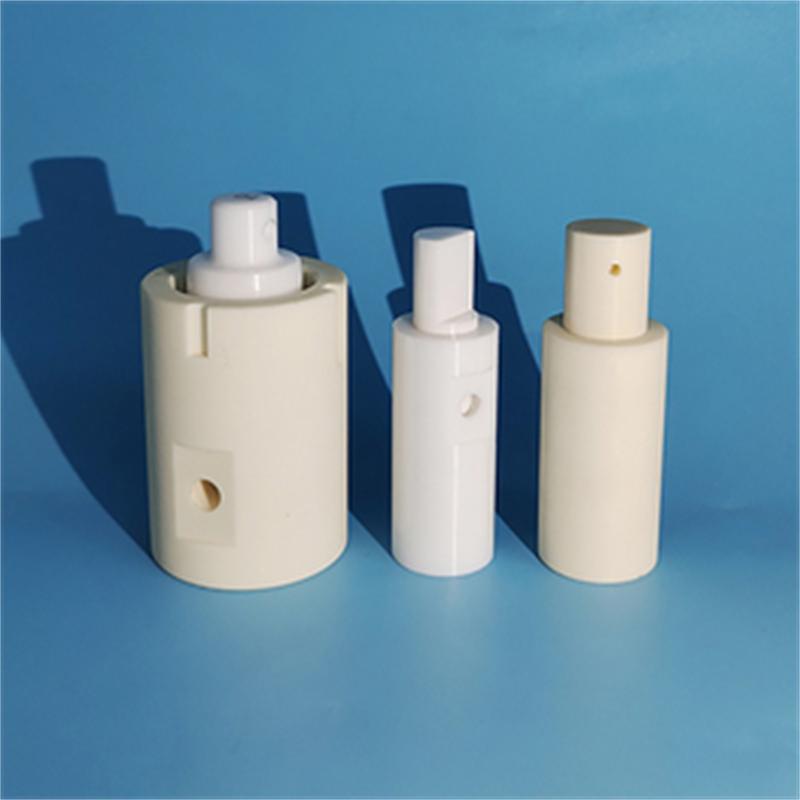
As your exclusive custom manufacturer of quartz and special ceramic products, we understand the importance of finding a pipe with precise dimensions and stable performance in extreme working conditions such as high temperature, strong corrosion, or high wear. We are committed to providing you with comprehensive customized solutions to solve the material selection difficulties you face in complex processes. Whether you need high-purity quartz tubes or various precision special ceramic tubes, we can provide non-standard customized services based on your drawings and parameters to help you break through production bottlenecks, improve equipment operation efficiency and service life.
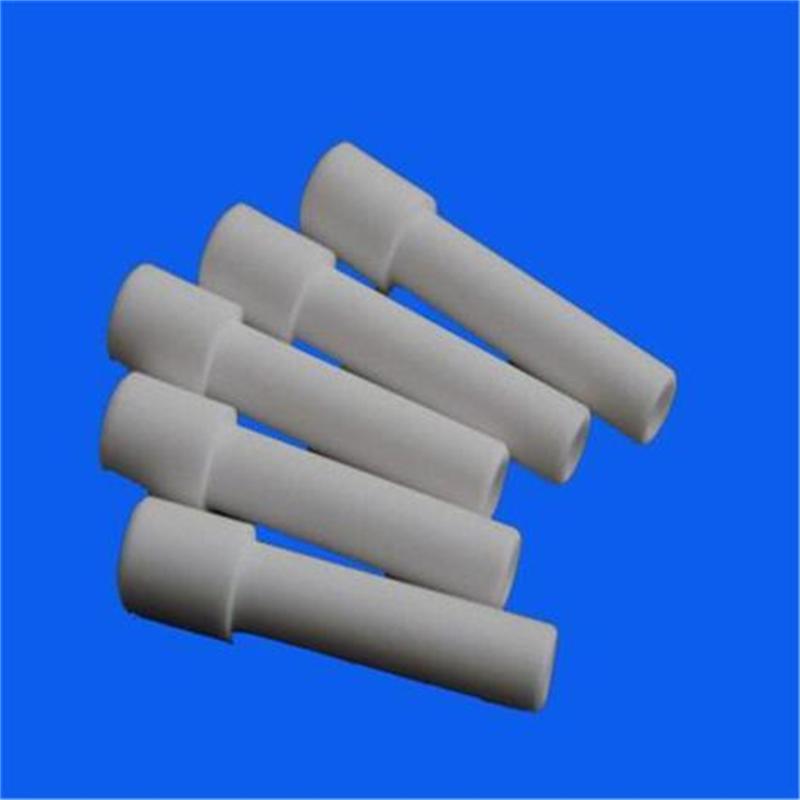
Performance comparison: alumina vs zirconia
To assist you in selecting materials more scientifically, the following objective and professional comparative analysis is conducted on these two types of ceramic tubes from four core dimensions:
- Mechanical properties: hardness, wear resistance vs toughness, impact resistance
Aluminum oxide ceramic tube (Al ₂ O3): has extremely high surface hardness and excellent wear resistance (Mohs hardness can reach level 9). But when facing strong mechanical impacts, its brittleness is relatively high, and its bending strength and fracture toughness are relatively low.
Zirconia ceramic tube (ZrO ₂): also known as “ceramic steel”, its greatest advantage lies in its extremely high fracture toughness and bending strength. Through the phase transition toughening mechanism, it can effectively absorb impact energy and is not easily shattered even in environments subjected to heavy loads and strong vibrations. - Thermal performance: high temperature stability vs thermal insulation and thermal shock resistance
Aluminum oxide ceramic tube: Excellent high temperature resistance, high-purity products can work stably for a long time at high temperatures of 1600 ° C to 1700 ° C, and have relatively good thermal conductivity, suitable for scenarios that require heat dissipation.
Zirconia ceramic tube: Although its maximum operating temperature is slightly lower (usually around 1000 ° C-1200 ° C), its thermal conductivity is extremely low, making it an excellent insulation material. At the same time, its coefficient of thermal expansion is closer to that of metals, exhibiting better stability in frequent hot and cold alternating thermal shock environments. - Chemical and Physical Characteristics: Insulation Corrosion Resistance vs Inert Non Wetting
Aluminum oxide ceramic tube: It has strong resistance to most acids and alkalis, and maintains excellent electrical insulation and dielectric strength at high temperatures, making it an ideal choice for electronic packaging and high-voltage insulation.
Zirconia ceramic tube: It has excellent chemical inertness and non wetting properties towards molten metals such as platinum, rhodium, superalloys, etc. This means that liquid metal will not adhere to the pipe wall, effectively avoiding cross contamination and ensuring the purity of high-value materials. - Comprehensive cost considerations
Alumina: With abundant raw materials, mature processing technology, and low overall manufacturing costs, it is the preferred choice for large-scale industrial applications that pursue high cost-effectiveness.
Zirconia: Due to its high powder cost and the need to add rare earth stabilizers, the processing difficulty is relatively high, and its price is usually several times that of alumina. However, its ultra long lifespan and zero pollution characteristics have great investment return value in high-end applications.
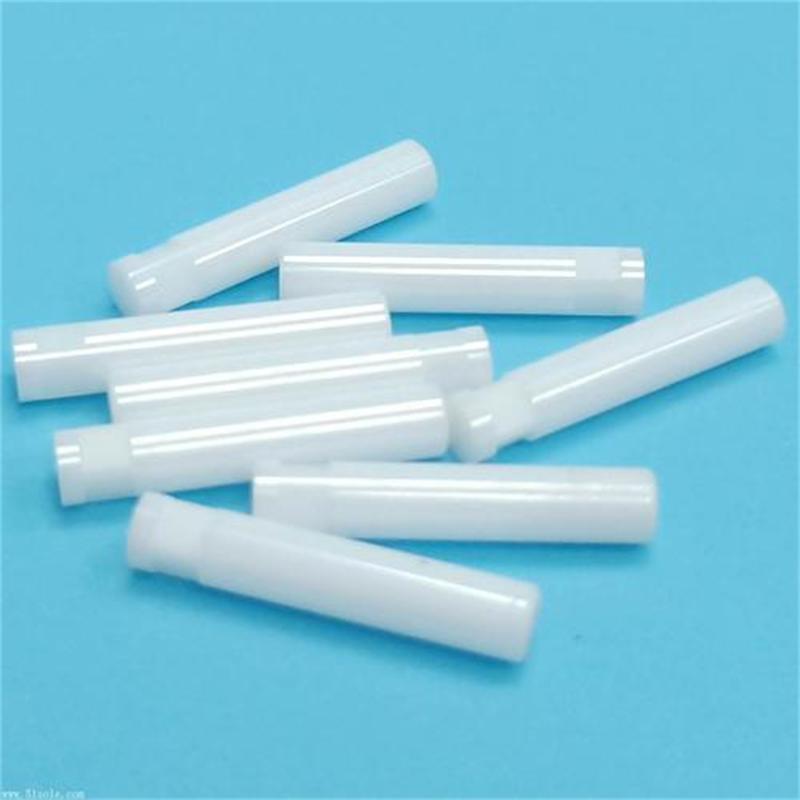
Typical application scenarios and core values
Reasonable selection of ceramic pipes can bring you tremendous application value in response to different industrial challenges:
High temperature furnace and heat treatment: Aluminum oxide ceramic tubes are selected as thermocouple protective sleeves or furnace supports, utilizing their excellent high-temperature stability and insulation properties to ensure accurate temperature measurement and safe operation of equipment.
Smelting and Casting of Precious Metals: Faced with the challenges of melting superalloys or platinum group metals, zirconia ceramic tubes are the best choice. Its non wettability and chemical inertness ensure the purity of the metal liquid, greatly improving the yield rate and reducing the labor cost of crucible cleaning.
Heavy industry material transportation: In mining tailings transportation or power plant ash removal systems, wear caused by high flow rates is a major challenge. Aluminum oxide lined composite pipes, with their ultra-high wear resistance, can extend the service life of pipelines by more than ten times and significantly reduce the frequency of downtime maintenance.
Precision fluid control and healthcare: In precision valves, bearings, or human implants that require extremely high reliability, the high strength and excellent biocompatibility of zirconia ceramic tubes perfectly solve the problems of fatigue and corrosion of traditional metal materials.
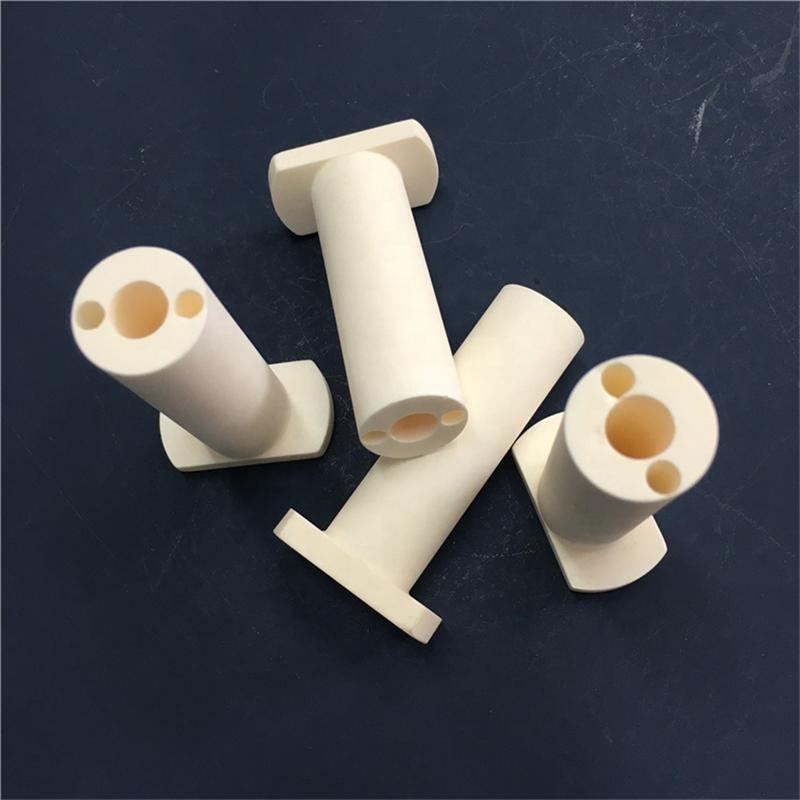
Customer application case sharing
Case 1: Purification Challenge in a New Energy Battery Material Research and Development Laboratory
When conducting high-temperature sintering experiments on new solid electrolyte materials, the laboratory has always faced a tricky problem: conventional alumina tubes will undergo slight reactions with powders containing lithium elements at high temperatures, resulting in a decrease in sample purity and data deviation. After understanding their needs, we recommended and customized high-purity zirconia ceramic tubes for them. Thanks to the strong chemical inertness and non wetting properties of zirconia towards alkaline melts, the laboratory successfully achieved zero pollution sintering of the samples. Not only did the experimental data recover accurately, but the batch of zirconia tubes remained intact after hundreds of 1200 ° C thermal cycles, significantly reducing the frequency of consumable replacement.
Case 2: Renovation of desulfurization pipelines in large thermal power plants
In the wet desulfurization system of a large power plant, the high-speed flushing of limestone slurry causes frequent wear through and leakage of ordinary steel pipes and stainless steel pipes, requiring huge annual shutdowns and replacements. We provide customized services for wear-resistant composite pipes with inner walls made of 95% alumina ceramics. By using a staggered arch joint design and a self propagating high-temperature clutch synthesis process, the ceramic layer is firmly combined with the steel pipe. After being put into use, the wear resistance life of the pipeline has reached more than 20 times that of ordinary steel pipes. During two years of continuous operation, there were no leakage accidents caused by wear and tear, saving the company millions of yuan in maintenance costs and downtime losses.
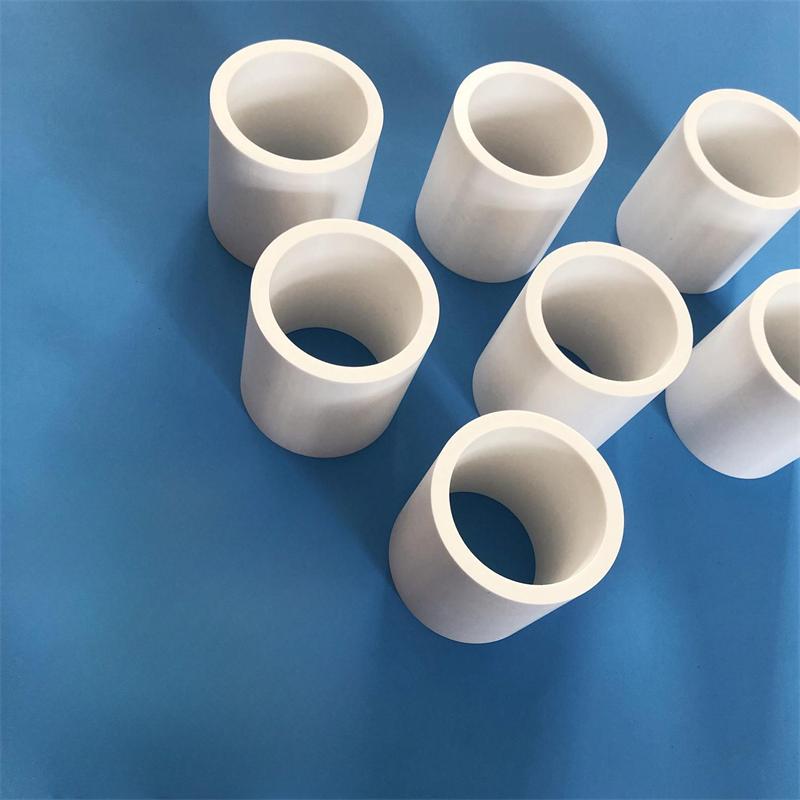
Whether you need to deal with extreme high temperatures, strong corrosion, or high wear conditions, we can tailor the most suitable quartz and ceramic product solutions for you. Welcome to contact us anytime for your exclusive customized quotation and technical selection guidance!
Brudeze Ceramics supplies and sells a wide range of high-quality quartz glass, including alumina ceramics, zirconia ceramics, silicon nitride ceramics, aluminum nitride ceramics, silicon carbide ceramics, boron carbide ceramics, bioceramics, machinable ceramics, etc. We can meet the customization requirements of various ceramic products.
Tags: boron carbide ceramics
CATEGORIES
LATEST NEWS
- What is the difference betw...
- Compared to ordinary cerami...
- What are the main material ...
- Large sized microcrystallin...
- What is the maximum operati...
- Low dielectric constant mic...
- High hardness and wear-resi...
- Low expansion microcrystall...
- High temperature resistant ...
- High grinding zirconia cera...