
Are microcrystalline ceramics and zirconia ceramics the same material
Microcrystalline ceramics and zirconia ceramics are not the same material. Microcrystalline ceramics (also known as glass ceramics) are polycrystalline solids made by controlled crystallization of base glass, possessing the dual characteristics of glass and ceramics; Zirconia ceramics are high-performance structural ceramics based on zirconia, known for their excellent strength, toughness, and wear resistance, and are known as “ceramic steel”. There are significant differences between the two in terms of microstructure, physical properties, and application fields.
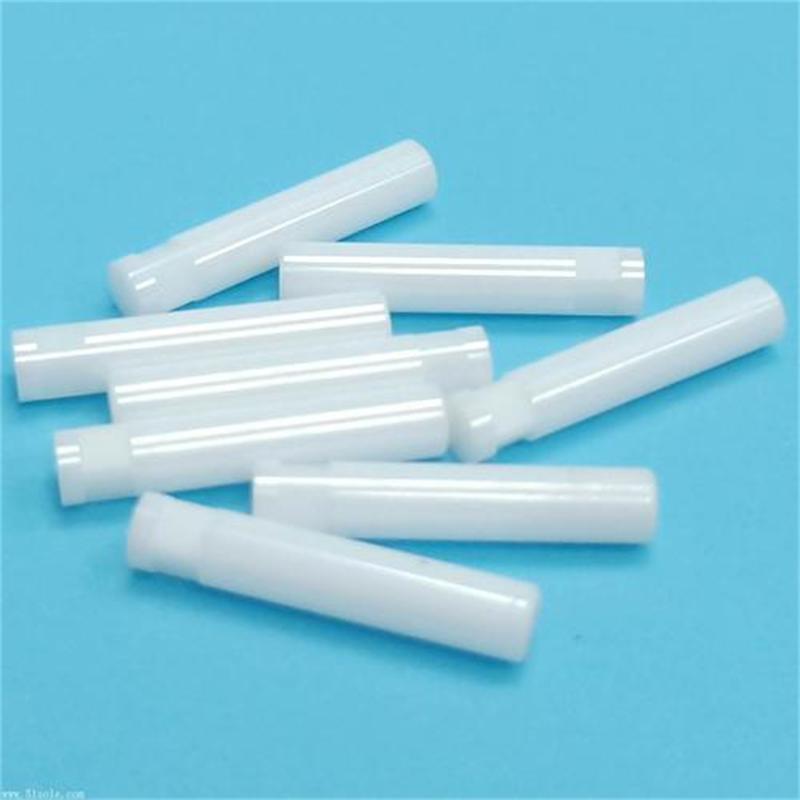
From the perspective of users, our precision ceramic customization services can accurately solve the material selection difficulties you face under extreme working conditions. Whether it is industrial components that require high temperature resistance and corrosion resistance, or consumer electronics or medical products that pursue high transparency and high aesthetics, our material solutions can meet your stringent requirements for high strength, high precision, and complex shapes, ensuring that the products maintain stable operation and excellent performance in harsh environments.
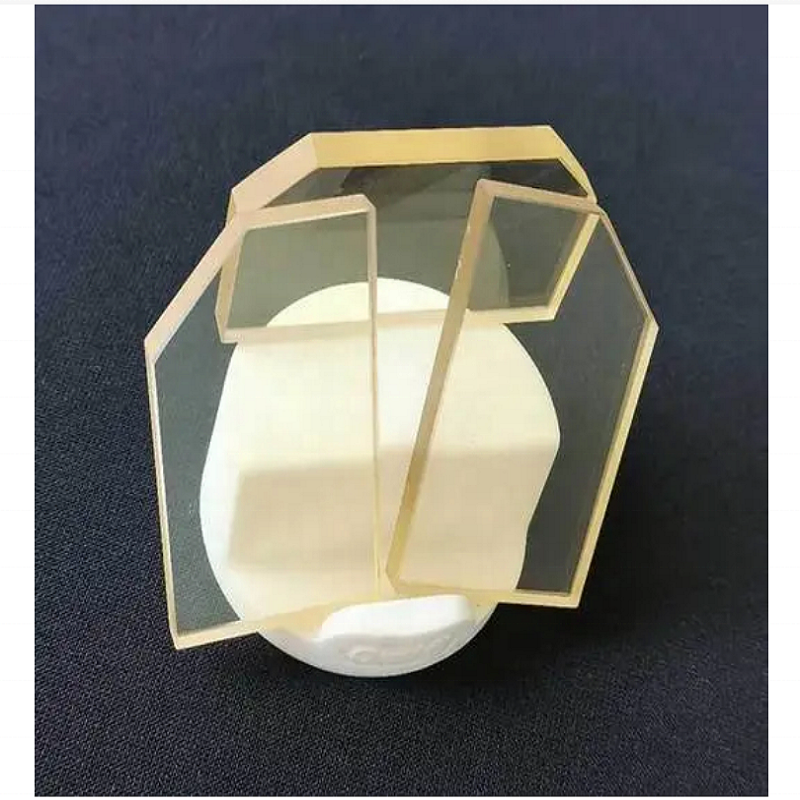
Core difference: Professional analysis of microcrystalline ceramics and zirconia ceramics
From an objective perspective in materials science, the differences between these two materials are mainly reflected in the following dimensions:
- Microstructure and composition
Microcrystalline ceramics: Belonging to glass ceramic composite materials, it contains a large number of tiny crystal phases and a small amount of glass phase inside. This special structure gives it both the transparency and low expansion coefficient of glass, as well as the high strength and heat shock resistance of ceramics.
Zirconia ceramics: Belonging to advanced structural ceramics, the main component is zirconium dioxide (ZrO ₂), usually with stabilizers such as yttrium added. Its interior is a dense crystal structure with a unique “phase transition toughening” mechanism, which can effectively prevent crack propagation under stress. - Comparison of core performance indicators
Mechanical properties: Zirconia ceramics have extremely high bending strength (usually above 900-1200 MPa) and excellent fracture toughness, making them the preferred choice for manufacturing components that can withstand high-strength external forces; The hardness and toughness of microcrystalline ceramics are equally excellent, but they focus more on the balance of comprehensive physical and chemical properties.
Optical and thermal properties: Microcrystalline ceramics have unique transparency, extremely low thermal expansion coefficient, and excellent resistance to rapid cooling and heating; Zirconia ceramics have excellent thermal insulation properties and chemical inertness, and can maintain stable mechanical properties at high temperatures.
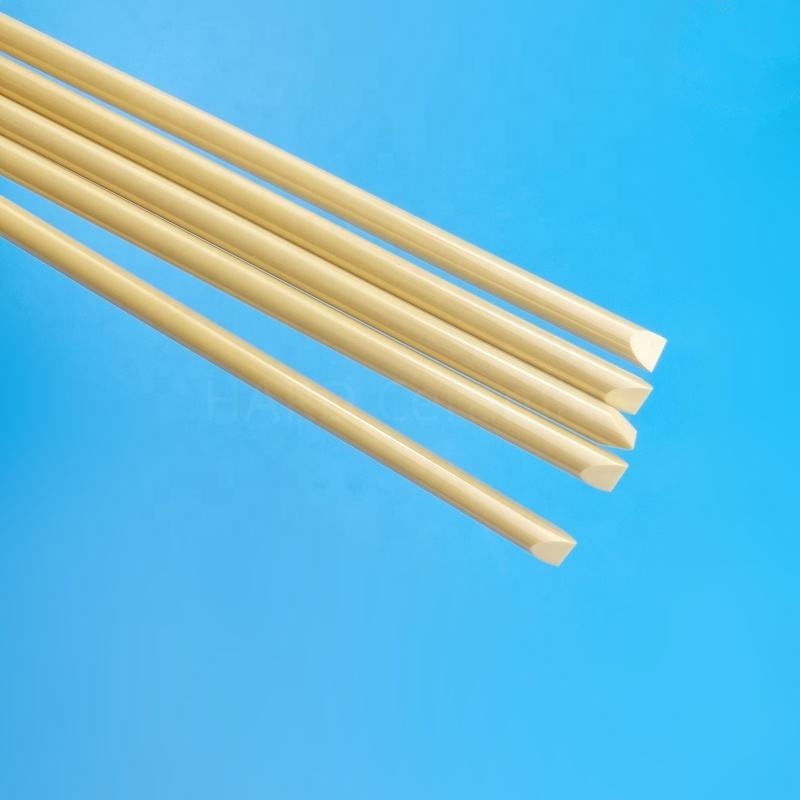
Customized specification service: fully meet your research and production needs in all aspects
In order to meet the application challenges of different industries, we provide customized services for the entire industry chain from raw powder preparation, molding, sintering to precision machining, supporting flexible development of various specifications and sizes:
Size customization: Conventional parts can reach a size of 2000 × 200 × 30mm; ceramic ring outer diameter can reach Φ 400mm, length ≤ 2000mm; disc diameter can reach Φ 400mm.
Precision machining capability: The highest machining accuracy can reach 0.001mm-0.005mm, and the planar smoothness can reach Ra0.01-Ra0.02. Support internal and external grinding, irregular carving, tapping and punching, and complex surface processing.
Diversified material selection: In addition to standard zirconia, we also offer advanced ceramic materials such as alumina, aluminum nitride, and silicon nitride, and support customization in multiple colors such as white, black, and yellow.
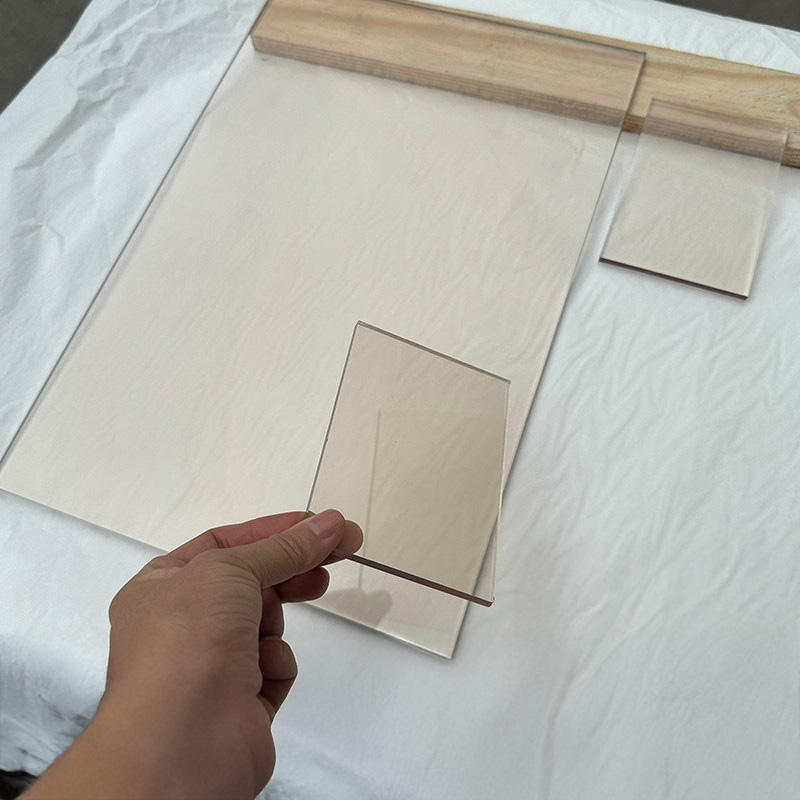
Solving industry application challenges and customer value cases
In practical applications, we are committed to solving the following problems for our customers through material innovation and creating significant commercial value:
- Addressing the challenges of wear and corrosion in extreme environments
Application scenarios: chemical pump valves, semiconductor equipment, automotive turbochargers.
Customer case: A large petrochemical enterprise has been using traditional metal bearings on the stirring shaft of a reactor for a long time. Due to corrosion caused by strong acidic and alkaline media, it needs to be shut down and replaced every 6 months. We have customized high-purity nano zirconia ceramic bearings for it, utilizing its strong chemical inertness and wear resistance. The surface of the bearing remains smooth and new even after 18 months of continuous operation in highly corrosive media, with no corrosion marks, reducing equipment maintenance frequency by two-thirds and significantly improving production line efficiency. - Breakthrough the aesthetic and strength bottleneck of precision medical devices
Application scenarios: dental restoration, orthopedic implants, minimally invasive surgical instruments.
Customer case: A well-known dental institution often faces the dilemma of “dead white” or insufficient strength of traditional all ceramic teeth when performing aesthetic restoration of anterior teeth for patients. We have customized an ultra-thin dental veneer with a thickness of only 80 microns using 3D printing technology combined with microcrystalline nano ceramics/high transparency zirconia slurry. This product not only achieves a transparency and layering comparable to natural tooth enamel, but also achieves minimal grinding or even non grinding restoration, greatly improving the patient’s medical experience and clinical satisfaction. - Meet the heat dissipation and lightweight requirements of high-end electronic devices
Application scenarios: smartphone back cover, precision electronic insulation components.
Customer case: A leading smartphone brand, while developing flagship models, hopes that the back cover will not only have the warm texture of ceramics, but also solve the problem of traditional ceramics being too heavy. We provide a microcrystalline glass ceramic composite material solution for it, which is nearly 50% lighter than traditional zirconia ceramics by precisely controlling the crystal content, while maintaining extremely high drop resistance and transparency, perfectly balancing aesthetic design and practicality.
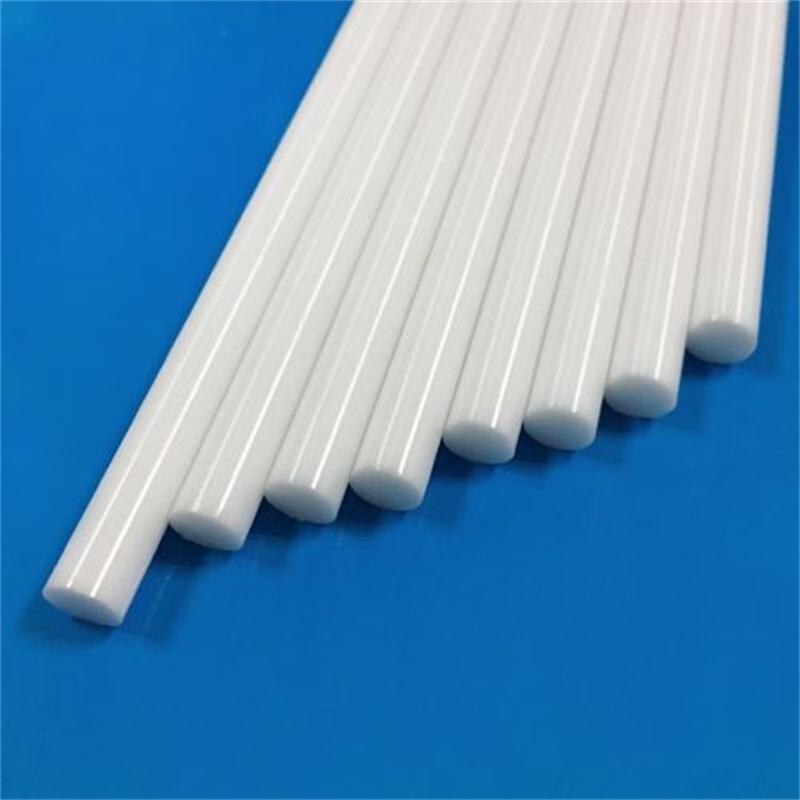
We have rich experience in customizing precision ceramic components, and no matter what complex working conditions you face, we can provide you with the best material solutions. Welcome to contact us anytime to obtain exclusive material parameter tables or embark on your non-standard customized procurement journey!
Brudeze Ceramics supplies and sells a wide range of high-quality quartz glass, including alumina ceramics, zirconia ceramics, silicon nitride ceramics, aluminum nitride ceramics, silicon carbide ceramics, boron carbide ceramics, bioceramics, machinable ceramics, etc. We can meet the customization requirements of various ceramic products.
Tags: boron carbide ceramics
PREVIOUS:What is the difference between alumina ceramic tube and zirconia ceramic tube
CATEGORIES
LATEST NEWS
- Are microcrystalline cerami...
- What is the difference betw...
- Compared to ordinary cerami...
- What are the main material ...
- Large sized microcrystallin...
- What is the maximum operati...
- Low dielectric constant mic...
- High hardness and wear-resi...
- Low expansion microcrystall...
- High temperature resistant ...