
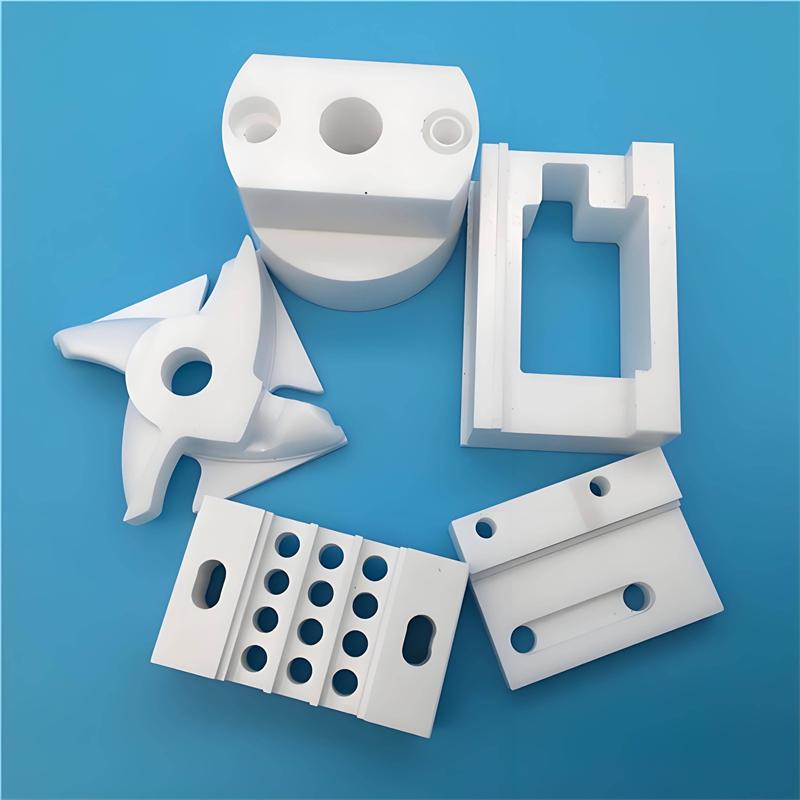
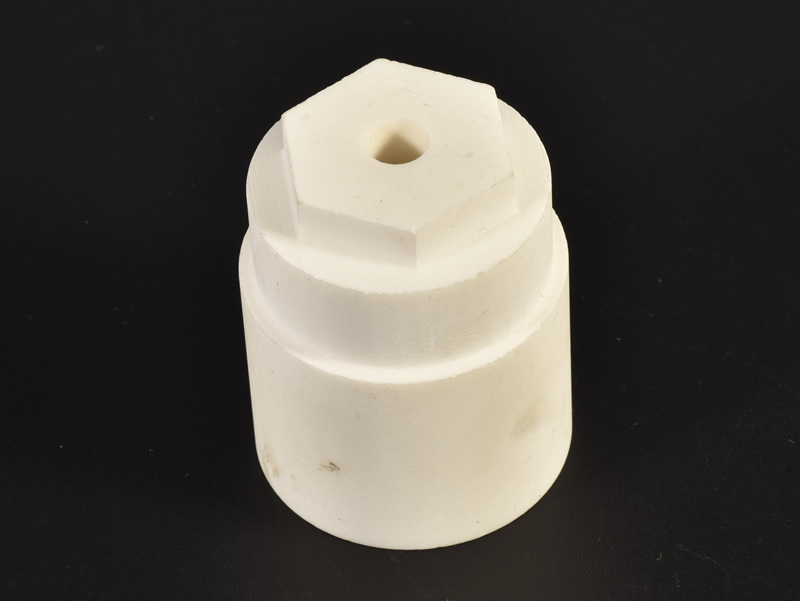
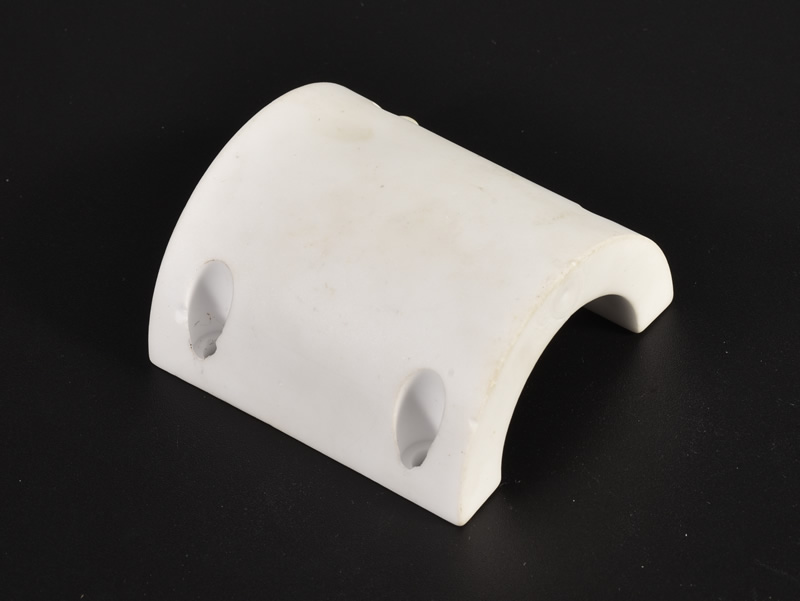
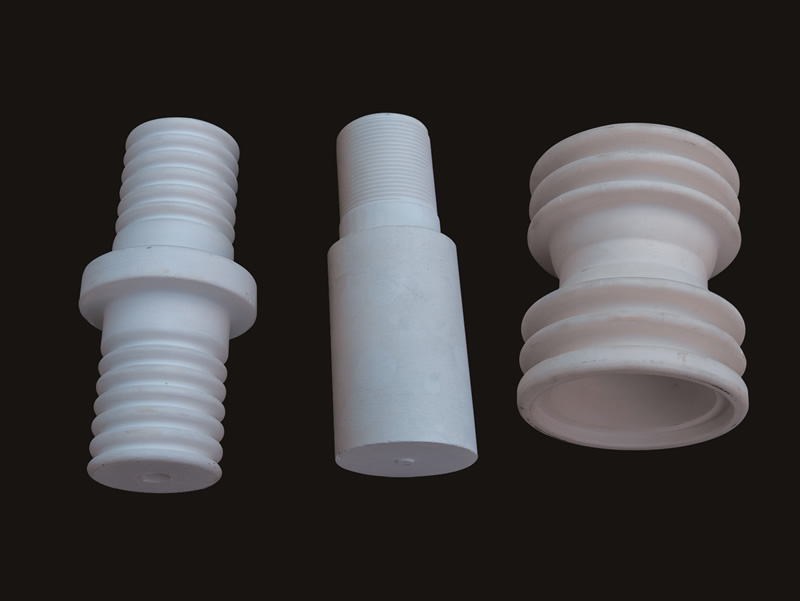
Customized supply of industrial engineering ceramics is aimed at meeting the stringent requirements for material performance in high-end fields such as aerospace, semiconductor, energy, and medical. It provides full process customized services from material selection, structural design to precision machining. By relying on advanced ceramic material systems and intelligent processing technologies, personalized production can be achieved from micrometer level precision parts to large structural parts, meeting diverse functional requirements such as high temperature resistance, corrosion resistance, high strength, and insulation.
FAQ: Core issues that users are most concerned about
Q1: What specifications and sizes can be customized for industrial engineering ceramics?
A: Support customization from micro probes with a diameter of 0.5mm to furnace tubes with a length of 3m, with a thickness range of 0.1-200mm and a tolerance controlled within ± 0.005mm. For example, a customized alumina ceramic suction cup from a semiconductor company has a diameter of 200mm, a thickness of 5mm, and a flatness of ≤ 1 μ m.
Q2: How to choose suitable ceramic materials?
A: Match materials according to working conditions:
High temperature environment (>1500 ℃): Silicon carbide ceramics (thermal conductivity of 120W/m · K, excellent thermal shock resistance);
Strong corrosion scenario: silicon nitride ceramics (acid and alkali resistant, resistant to molten metal erosion);
High precision transmission: Zirconia ceramic (friction coefficient 0.1-0.2, wear resistance 10 times that of steel);
Insulation requirement: 99.6% alumina ceramic (volume resistivity>10 ¹⁴Ω· cm).
Q3: How long does the customization cycle take?
A: Standard parts are delivered within 3-7 days, while complex structural parts (such as irregular burner nozzles) require 15-30 days. A customized silicon carbide heat exchanger module from a certain new energy enterprise was designed and put into mass production in just 22 days, shortening the research and development cycle by 40%.
Addressing the three major challenges
Adaptability to extreme working conditions
A certain aviation engine enterprise originally used nickel based alloy turbine blades, which are prone to creep at 1600 ℃. After switching to silicon carbide ceramic blades, the lifespan increased from 200 hours to 2000 hours and fuel efficiency increased by 8%.
Precision machining stability
Customized alumina ceramic guide wheels by semiconductor equipment manufacturers have a surface roughness Ra<0.05 μ m, achieving zero scratches during wafer transfer and increasing the yield rate from 92% to 99.5%.
Balance between lightweight and high-strength
New energy vehicle companies use silicon nitride ceramic bearings instead of steel bearings, reducing weight by 60%, increasing speed by 30%, and increasing range by 12%.
Product advantage: Technology empowers value upgrade
Material Innovation System
Independently developed nano modified alumina ceramics with a bending strength of up to 650MPa;
Silicon carbide ceramic hot pressing sintering technology achieves a density of over 99% and a porosity of less than 0.1%.
Intelligent processing capability
Five axis linkage ceramic engraving and milling machine, capable of processing complex curved surfaces and thin-walled structures;
The online detection system monitors the dimensional accuracy in real-time and controls the scrap rate below 0.3%.
Customer application case: Real scenario verification of strength
Case 1: Semiconductor Industry – Wafer Transfer System Upgrade
A leading semiconductor company originally used polyetheretherketone (PEEK) guide wheels, which are prone to particle pollution in plasma environments. After customizing alumina ceramic guide wheels:
Improve plasma etching resistance by 10 times;
The wafer transfer speed has been increased from 1200mm/s to 1800mm/s;
Reduce annual maintenance costs by 75%.
Case 2: Chemical industry – corrosion-resistant reactor internals
The reaction kettle of a certain chemical group was originally lined with Hastelloy alloy, and the corrosion rate reached 0.5mm/year in concentrated sulfuric acid environment. After switching to silicon nitride ceramic lining:
The corrosion rate has decreased to 0.02mm/year;
The continuous operation cycle has been extended from 6 months to 5 years;
A single device can save over 2 million yuan in downtime losses annually.
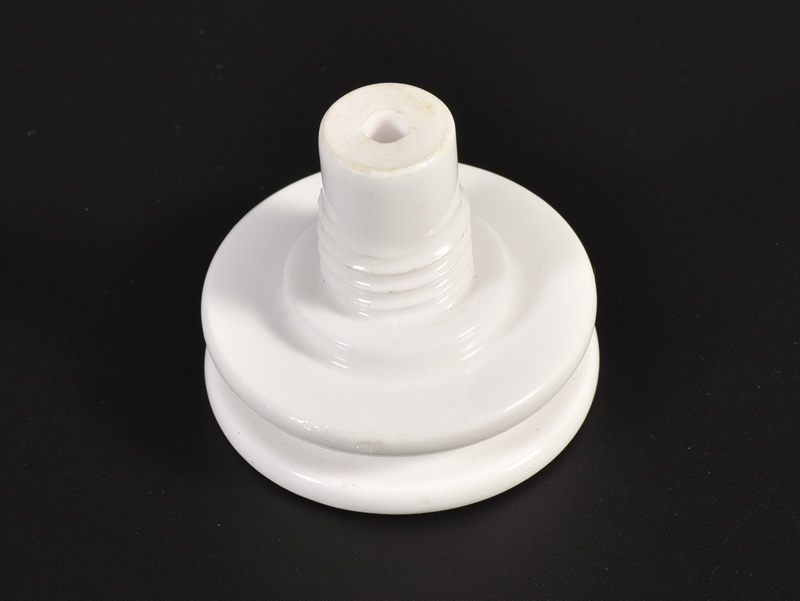
Whether it’s replacing parts, optimizing existing processes, or developing innovative products, our technical team will provide you with free consultation and solution design. Click on the official website to submit your requirements and obtain an exclusive quotation.
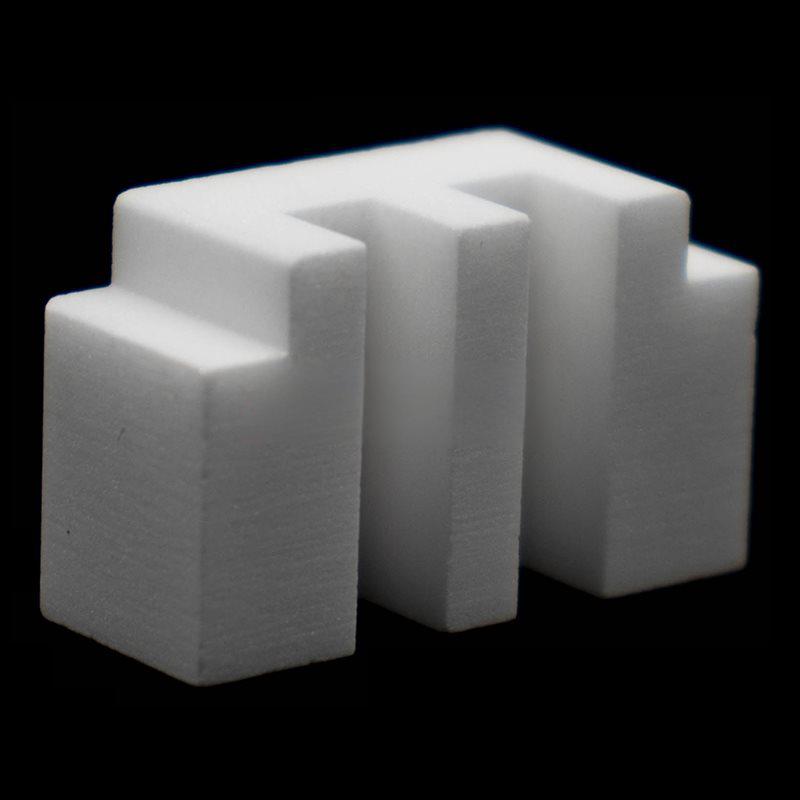
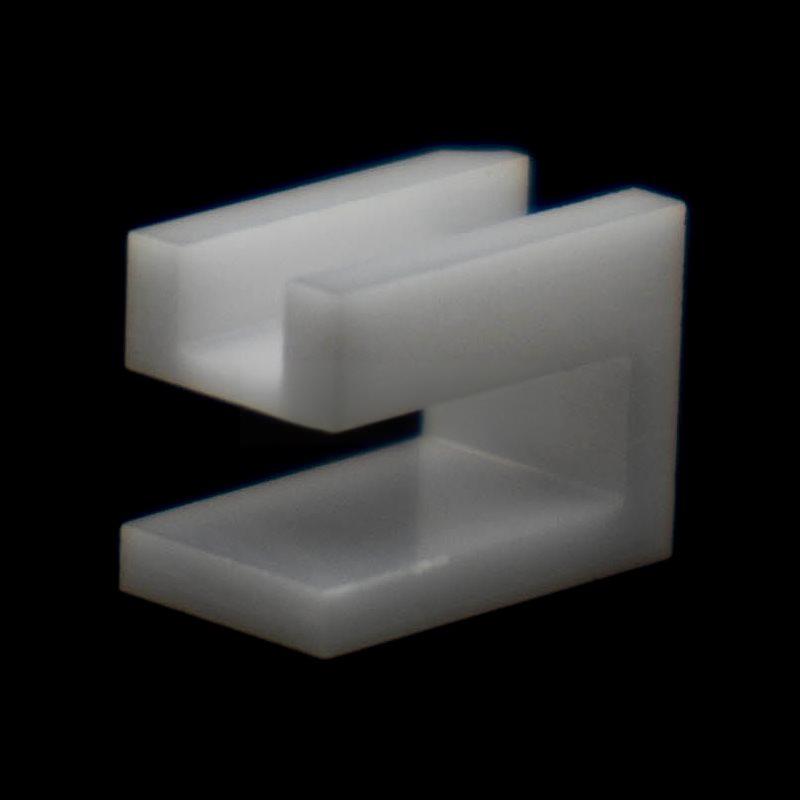
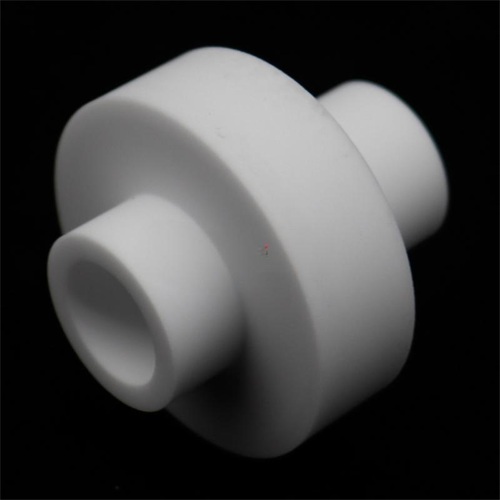
Brudeze Ceramics supplies and sells a wide range of high-quality quartz glass, including alumina ceramics, zirconia ceramics, silicon nitride ceramics, aluminum nitride ceramics, silicon carbide ceramics, boron carbide ceramics, bioceramics, machinable ceramics, etc. We can meet the customization requirements of various ceramic products.
CATEGORIES
LATEST NEWS
- Which is more wear-resistan...
- Are microcrystalline cerami...
- What is the difference betw...
- Compared to ordinary cerami...
- What are the main material ...
- Large sized microcrystallin...
- What is the maximum operati...
- Low dielectric constant mic...
- High hardness and wear-resi...
- Low expansion microcrystall...