
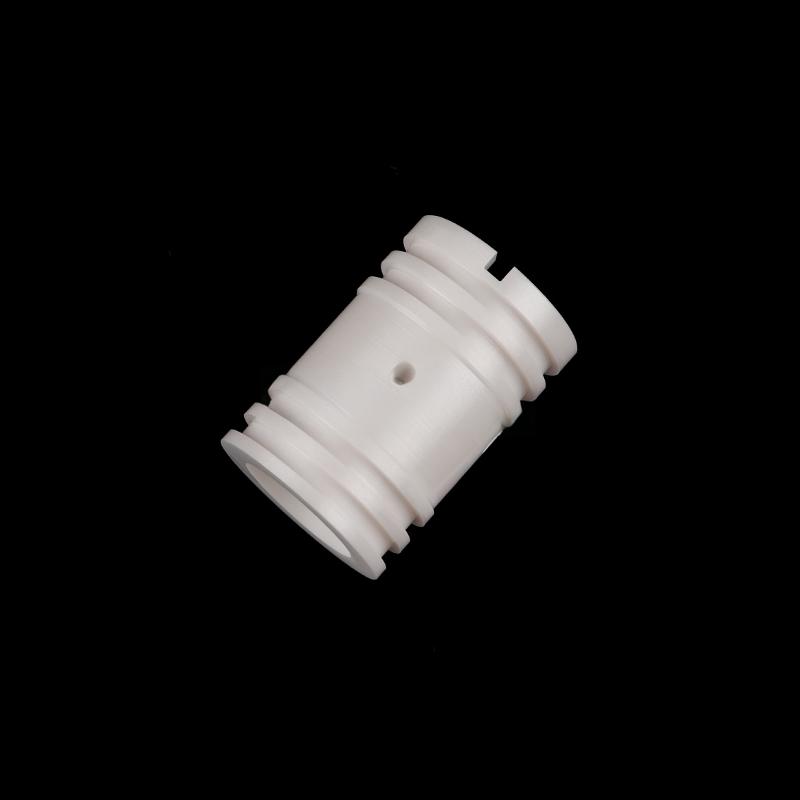
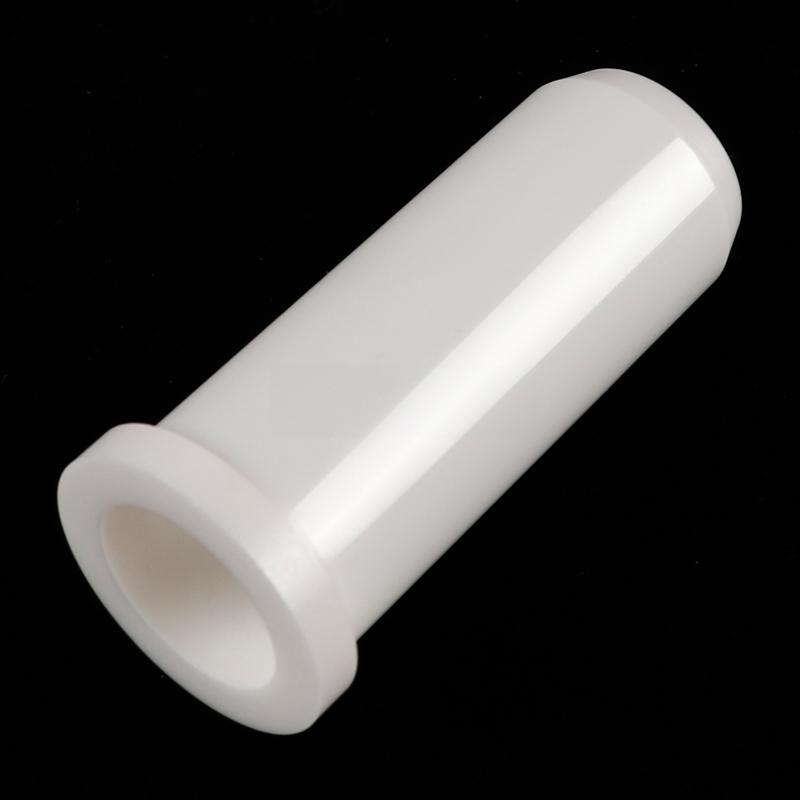
Zirconia ceramic valve sleeve is a precision cylindrical component made of high-strength zirconia ceramic material. As the core component of the valve, it is sleeved on the outside of the valve stem or valve core, and cooperates with the valve seat to achieve fluid sealing and cutoff control. It utilizes the ultra-high hardness, self-lubricating properties, and high-temperature corrosion resistance of zirconia material to specifically solve the problem of rapid wear and sealing failure of traditional metal valve sleeves in granular media, highly corrosive fluids, and high-frequency switching conditions, providing ultra long life fluid control solutions for industries such as petrochemicals, power, and metallurgy.
Customer Pain Points and Solutions: FAQ Quick Questions and Answers
Q1: When transporting high hardness slurry or powder, the metal valve sleeve is worn through within a few months, and frequent shutdowns for replacement are too costly. What should be done?
A: Our zirconia ceramic valve sleeve is made of yttrium stabilized zirconia material, with a hardness of HRA87 or higher (close to diamond) and wear resistance more than ten times that of metal. Under strong wear conditions such as polycrystalline silicon ash and slurry transportation, the service life of metal parts has been extended from 3 months to over 2 years, and maintenance costs have been reduced by more than 70%.
Q2: The desulfurization slurry and chloride ion medium are highly corrosive, and titanium alloy valve sleeves cannot withstand them. Is there a better choice?
A: Zirconia ceramics are inert materials that can withstand any acid or alkali corrosion, except for hydrofluoric acid and molten alkali. Their corrosion resistance is more than four times higher than that of titanium alloys. Especially suitable for high chloride ion environments in power plant desulfurization (FGD) systems, it completely solves the electrochemical corrosion problem of metal valve sleeves.
Q3: Under high temperature and high pressure conditions, metal valve sleeves are prone to thermal expansion jamming or cold shrinkage leakage, and the sealing is unreliable. What should be done?
A: Zirconia ceramics have a low coefficient of thermal expansion (only 9.5-10 × 10 ⁻⁶/℃ at 25-800 ℃), which is only about one-third of that of stainless steel, and have excellent dimensional stability. At the same time, we adopt a composite structure design of “metal jacket+ceramic lining”. The metal ring of the jacket is fitted with the ceramic through interference fit, so that the ceramic is always in a compressed state. It not only uses the toughness of the metal for installation, but also leverages the high temperature resistance of the ceramic. The maximum operating temperature can reach 1650 ℃.
Q4: Ceramic materials have high brittleness. Will they easily break when used on valves with frequent impacts?
A: We ensure reliability through three major technologies: firstly, we use high toughness zirconia materials (fracture toughness 8-11 MPa · m ⁰·⁵) and eliminate internal microcracks through grain refinement processes; Secondly, optimize the wall thickness design of the valve sleeve to increase its load-bearing capacity; The third is to adopt a metal jacket pre stress design to counteract the tensile stress generated by switch impact. The product has passed the static pressure life test of Hefei General Institute of Machinery Department, and has been opened and closed 10000 times without leakage.
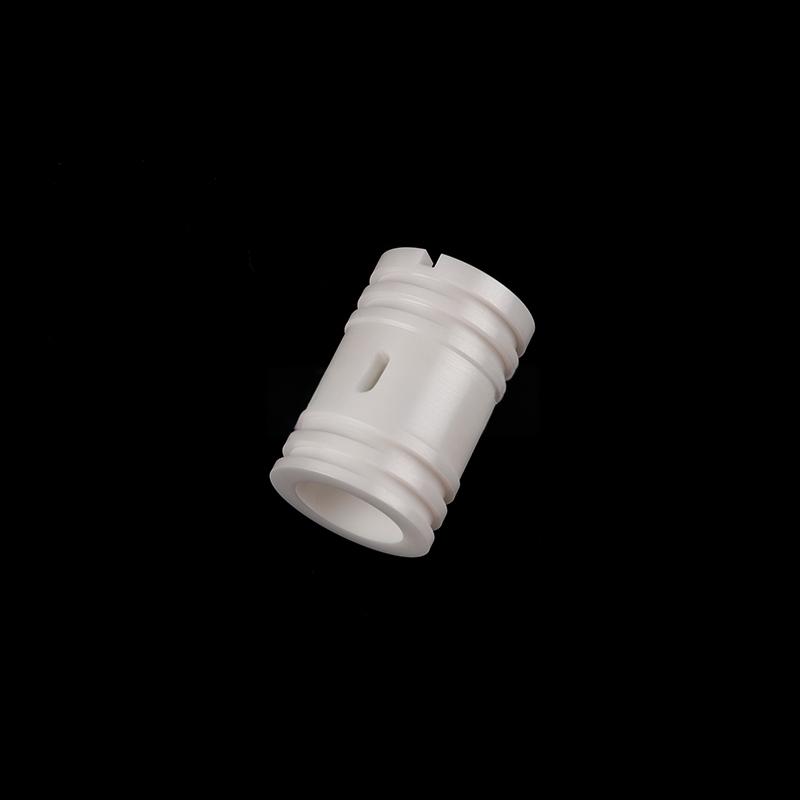
What is zirconia ceramic valve sleeve?
Zirconia ceramic valve sleeve is the core wear-resistant and corrosion-resistant component in high-end valves. It is usually paired with a valve ball or spool to achieve fluid opening and closing control through precision ground sealing surfaces. Compared with traditional metal valve sleeves, zirconia ceramic valve sleeves are an ideal choice for handling high wear and strong corrosive media due to their ultra-high hardness, excellent chemical inertness, and self-lubricating properties.
The core structure usually adopts a composite design of “metal jacket+ceramic lining”: the outer ring is made of stainless steel or alloy steel, which is easy to connect with the valve body and withstand installation stress; The inner ring is made of high-purity zirconia ceramic, which is in direct contact with the medium and provides excellent wear and corrosion resistance. The inner and outer rings are combined through interference fit or special bonding processes, ensuring that the ceramic components are under compressive stress (preventing cracking) while also considering the machinability of the metal components.
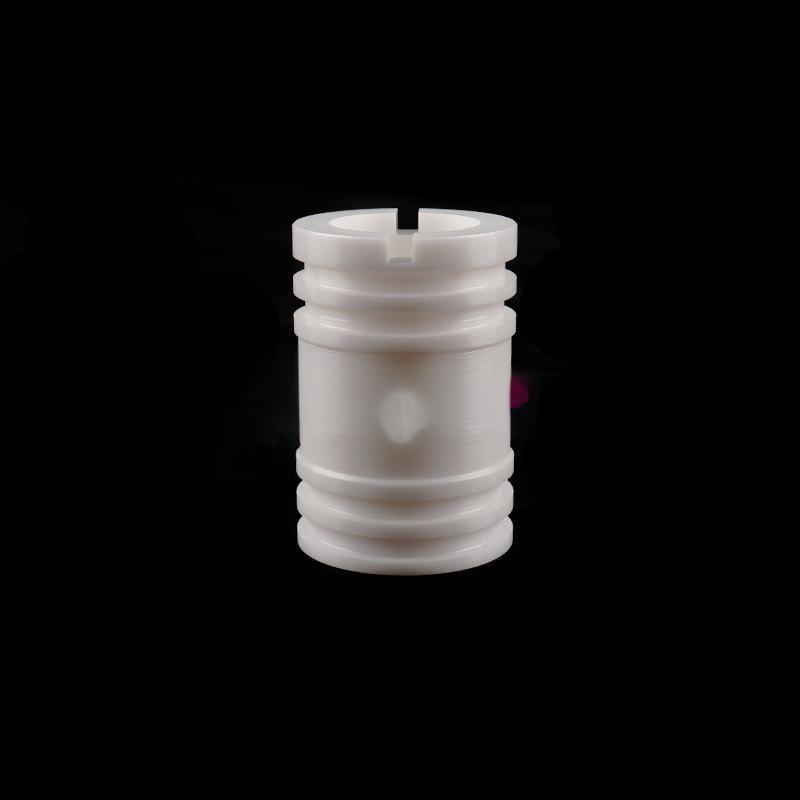
The reason why zirconia material is suitable for manufacturing valve sleeves is due to its unique physical properties:
-Hardness: HRA87-90, second only to diamond, is the fundamental guarantee of wear resistance
-Fracture toughness: 8-11 MPa · m ⁰·⁵, excellent in all engineering ceramics
-Temperature resistance: The maximum operating temperature can reach 1650 ℃, and the long-term working temperature can reach over 1000 ℃
-Corrosion resistance: except for hydrofluoric acid and hot concentrated alkali, it can withstand almost all acidic and alkaline media
-Self lubrication: low friction coefficient, small switch torque, less likely to get stuck
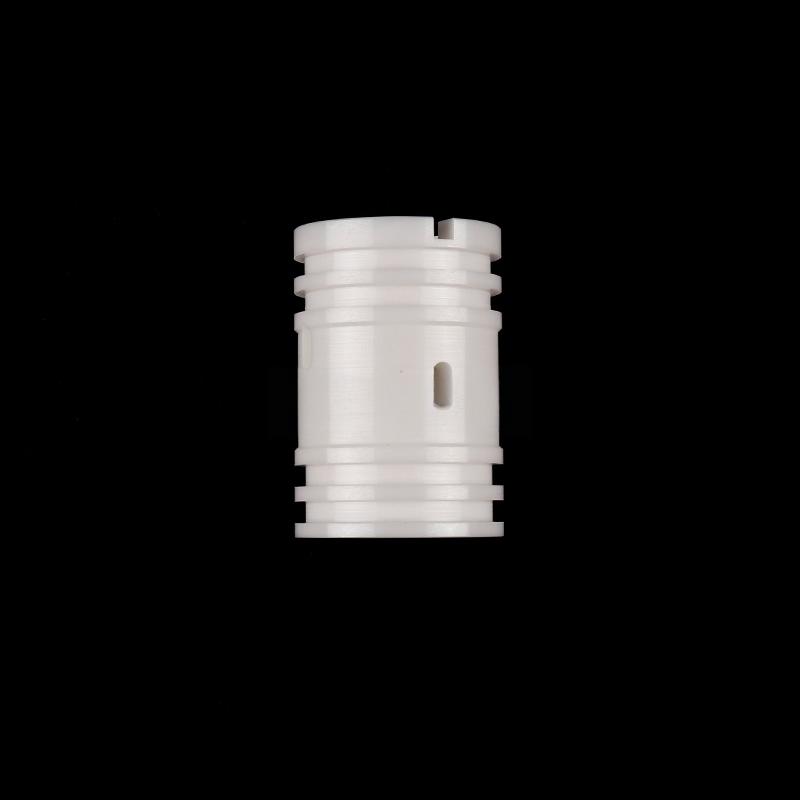
What problems can zirconia ceramic valve sleeves solve?
-Extreme wear conditions: solving the problem of rapid erosion and wear of valves by high hardness particulate media (such as silicon powder, slurry, coal powder, catalyst)
-Strong corrosive environment: solving the electrochemical corrosion and pitting problems of metal valve sleeves caused by high chloride ions, high sulfur, and acid-base alternating media
-High temperature and high pressure difference: solving the problem of metal valve sleeve jamming or leakage caused by thermal expansion differences under high temperature steam and high temperature slurry conditions
-High frequency switch: solves the problems of fatigue failure of metal sealing surfaces and decrease in sealing pressure under frequent operating conditions
-Cleanliness requirement: Solve the problem of metal ion precipitation contaminating the medium, suitable for high-purity material transportation
Our product’s core advantages
As a professional exporter of quartz and ceramic precision products, our zirconia ceramic valve sleeve has the following core advantages:
- Select high-purity raw materials with excellent performance
Using high-purity zirconia powder (with ZrO ₂ content ≥ 94.9% and Y ₂ O3 stabilizer content of about 4-5%), the material is formed by isostatic pressing or hot die casting process to ensure density and no porosity. Key performance indicators:
-Bulk density: ≥ 6.03 g/cm ³
-Bending strength: 1200-1500 MPa
-Compressive strength: 2060-2200 MN/m ²
-Hardness: ≥ 12.0 GPa (approximately HRA87-90)
-Fracture toughness: 8-11 MPa · m ⁰·⁵ - Precision machining, reliable sealing
Using high-precision internal, external, and flat grinding equipment, combined with diamond grinding wheels for precision machining, to ensure:
-Dimensional tolerance: up to ± 0.01mm or higher precision
-Surface roughness: Ra<0.2 μ m, the sealing surface is aligned with the valve ball to achieve zero leakage sealing
-Roundness: Strictly controlled to ensure even fit with the valve ball - Scientific structural design
-Metal jacket reinforcement: The outer ring is equipped with a metal ring that matches the thermal expansion coefficient, ensuring that the ceramic is always in a compressed state and preventing tensile stress from breaking
-Wall thickness optimization: Scientifically calculate the ceramic wall thickness based on the working pressure to avoid insufficient strength caused by being too thin and flow capacity affected by being too thick
-Edge protection: Chamfering treatment to avoid edge breakage during installation - Full size customization, compatible with various valves
Provide fully customized services based on images, supporting:
-Size range: Inner diameter ranging from a few millimeters to several hundred millimeters, height and wall thickness designed as needed
-Structural forms: straight tube type, stepped type, flange type, sealed groove type, etc
-Material selection: white zirconia, black zirconia (with added coloring agent), zirconia toughened alumina (ZTA), etc
-Supporting processing: If needed, we can provide metal jacket processing and assembly services
Customer Application Cases
Case 1: A polycrystalline silicon production enterprise (pneumatic conveying system)
-Requirement: The enterprise needs to transport high hardness silicon powder (Mohs hardness 7) from one location to another through a pneumatic conveying system during the production of polycrystalline silicon. The valve sleeve on the conveying pipeline is made of stainless steel material. Due to the high-speed erosion of silicon powder, the sealing surface of the valve sleeve is worn through within 3 months, resulting in valve leakage. The production line is forced to shut down for replacement every month, seriously affecting production capacity, and the annual maintenance cost is as high as hundreds of thousands of yuan.
-Solution: After on-site investigation, we measured the detailed dimensions of the original metal valve sleeve for the customer and redesigned and manufactured the ceramic valve sleeve using Y-TZP zirconia material. In response to the issue of thin wall thickness in the original design, we increased the wall thickness of the ceramic valve sleeve by 20% without affecting the overall assembly of the valve. At the same time, we also processed a precision matched stainless steel sleeve to ensure even assembly stress.
-Final effect: After replacing the zirconia ceramic valve sleeve, the delivery valve has been running continuously for more than 24 months without significant wear, and the sealing performance is still good. Customer feedback: “Increased service life by more than 8 times, reduced downtime maintenance by 12 times per year, saved spare parts costs and labor costs by over 70%.” Currently, the customer has upgraded all valves at key workstations to zirconia ceramic valve sleeve solutions.
Case 2: A large thermal power plant desulfurization system (limestone slurry regulating valve)
-Requirement: The desulfurization (FGD) system of the power plant adopts the limestone gypsum wet desulfurization process, with a chloride ion concentration of over 50000ppm in the slurry and a large amount of hard particles. After 3 months of operation, the original titanium alloy valve sleeve experienced severe pitting and wear on the sealing surface, resulting in a decrease in valve adjustment accuracy and serious leakage of gypsum slurry, which not only pollutes the environment but also increases maintenance costs.
-Solution: We provide customized zirconia ceramic valve sleeves for our customers, which adopt a composite structure of metal jacket and zirconia lining. The ceramic part is made of highly corrosion-resistant Y-TZP material, and the sealing surface is precision ground and polished; The metal jacket is made of 316L stainless steel and is directly connected to the valve body flange.
-Final effect: After continuous operation for 18 months after installation, the sealing surface of the ceramic valve sleeve remains smooth and new, without corrosion pits or wear marks. The regulating characteristics of the valve remain good, and the leakage level is always VI (zero leakage). The person in charge of the power plant equipment said, “Since the use of zirconia ceramic valve sleeves, the maintenance frequency of the desulfurization system has been reduced from once every quarter to once a year, and the overall operating cost has significantly decreased
If you are troubled by rapid valve wear, severe corrosion, and frequent shutdowns, and if you want to improve the reliability and service life of fluid control systems, please feel free to contact us at any time! Please send us your operating parameters (medium composition, temperature, pressure, particle condition) and drawings, and we will recommend the most suitable zirconia material and structural solution for you.
Brudeze Ceramics supplies and sells a wide range of high-quality quartz glass, including alumina ceramics, zirconia ceramics, silicon nitride ceramics, aluminum nitride ceramics, silicon carbide ceramics, boron carbide ceramics, bioceramics, machinable ceramics, etc. We can meet the customization requirements of various ceramic products.
CATEGORIES
LATEST NEWS
- Which is more wear-resistan...
- Are microcrystalline cerami...
- What is the difference betw...
- Compared to ordinary cerami...
- What are the main material ...
- Large sized microcrystallin...
- What is the maximum operati...
- Low dielectric constant mic...
- High hardness and wear-resi...
- Low expansion microcrystall...