
What is the thermal conductivity of aluminum nitride ceramics
Aluminum nitride (AlN) ceramics have extremely excellent thermal conductivity, with actual thermal conductivity typically ranging from 170-270 W/(m · K), and theoretical values even reaching 320 W/(m · K). This value is 5 to 10 times that of traditional alumina ceramics, and it combines excellent electrical insulation and low thermal expansion coefficient, making it an ideal choice for high-power electronic device heat dissipation substrates and packaging materials.
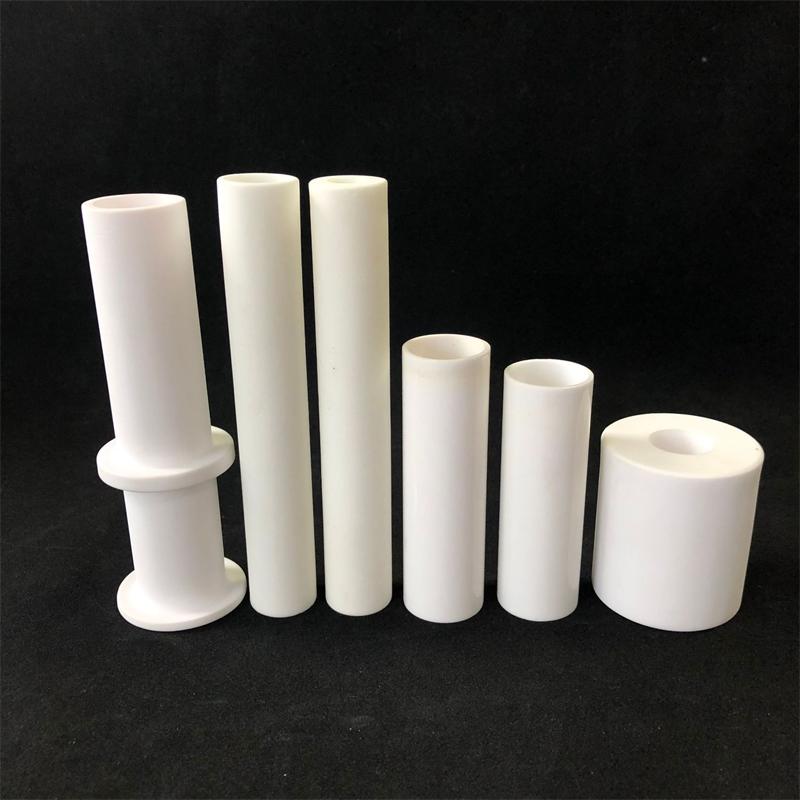
Addressing core needs and responding to challenges
Faced with the increasingly severe heat dissipation challenges of modern electronic devices, aluminum nitride ceramics can perfectly solve the problem of heat accumulation in high-power chips under high temperature and high pressure environments. It can not only quickly conduct and dissipate core heat, preventing device performance degradation or failure due to overheating, but also effectively avoid interface cracking caused by thermal stress with a thermal expansion coefficient similar to that of silicon chips, thereby ensuring electrical insulation safety and greatly improving the service life and operational reliability of end products.
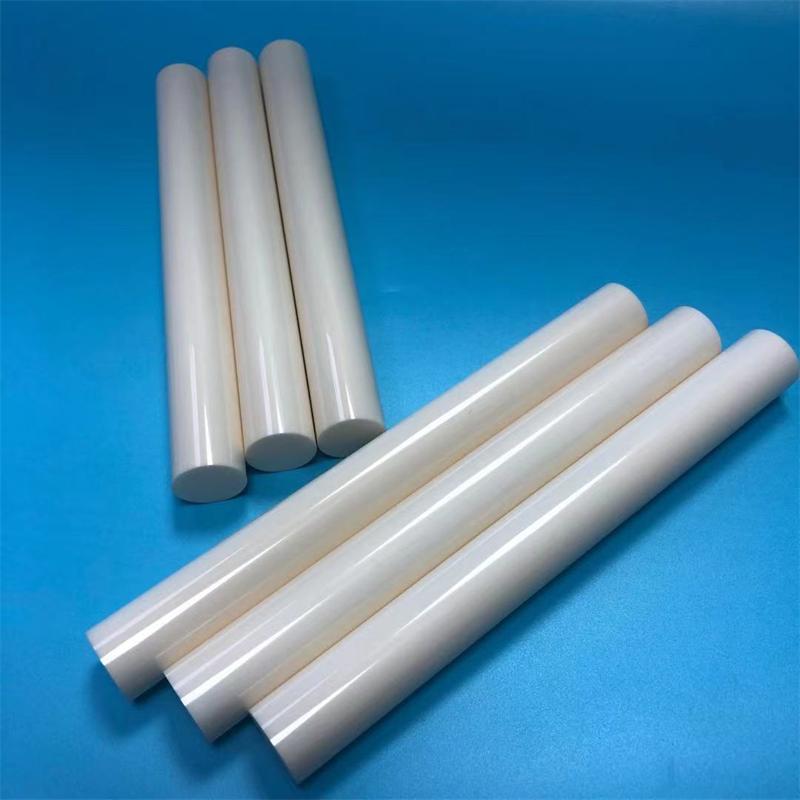
Core properties and product advantages of aluminum nitride ceramics
The reason why aluminum nitride ceramics stand out in the field of advanced materials is mainly due to their objective and excellent comprehensive physical and chemical properties:
Ultra high thermal conductivity efficiency: The thermal conductivity far exceeds that of traditional ceramic materials, which can quickly reduce the core junction temperature and solve the heat dissipation bottleneck in high-power scenarios from the root.
Excellent electrical insulation: with a volume resistivity greater than 10 ^ 14 Ω· cm and a dielectric breakdown strength exceeding 15 kV/mm, it provides reliable insulation protection under high voltage conditions and eliminates short-circuit hazards.
Accurate matching of thermal expansion: The thermal expansion coefficient is controlled at 4.0-4.5 × 10 ⁻⁶/℃, which is highly compatible with monocrystalline silicon and greatly reduces thermal stress damage during temperature cycling.
Excellent mechanical and chemical stability: The bending strength can reach 300-500 MPa, the Mohs hardness can reach 7-8, and it has extremely strong corrosion resistance to molten metals and various chemical media.
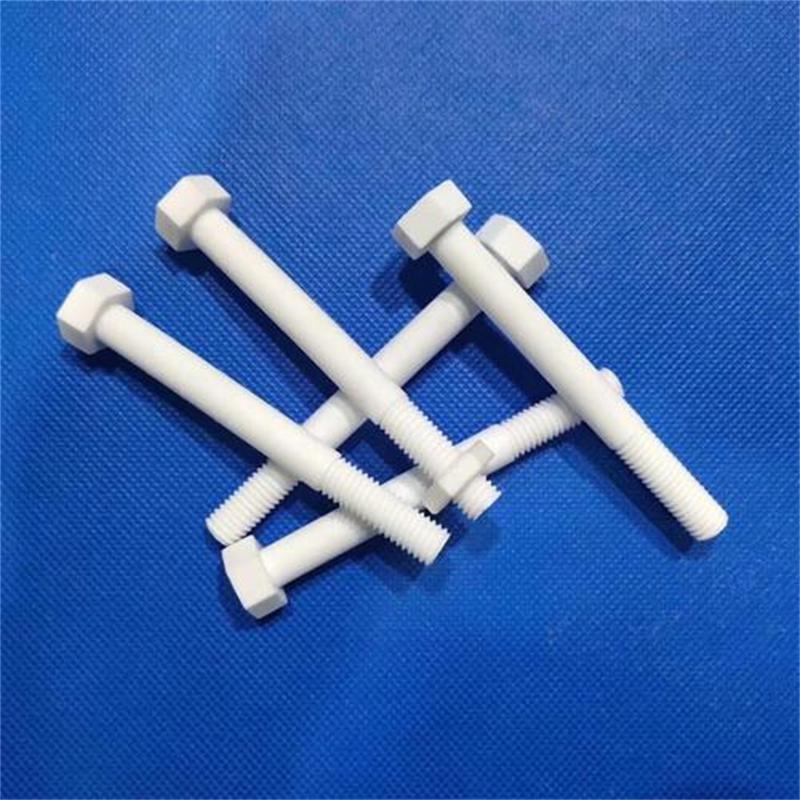
Customized service support:
To meet the demanding needs of different users, we provide comprehensive customized services for specifications and sizes. Whether it is standard grade (thermal conductivity ≥ 170 W/m · K), upgraded version (≥ 200 W/m · K) or super grade (≥ 230 W/m · K) material grade, precision machining can be carried out according to the drawings. Supports dry pressing, isostatic pressing, and injection molding processes, covering various forms such as flat substrates, shaped heat dissipation components, and semiconductor equipment parts, ensuring dimensional accuracy and surface quality.
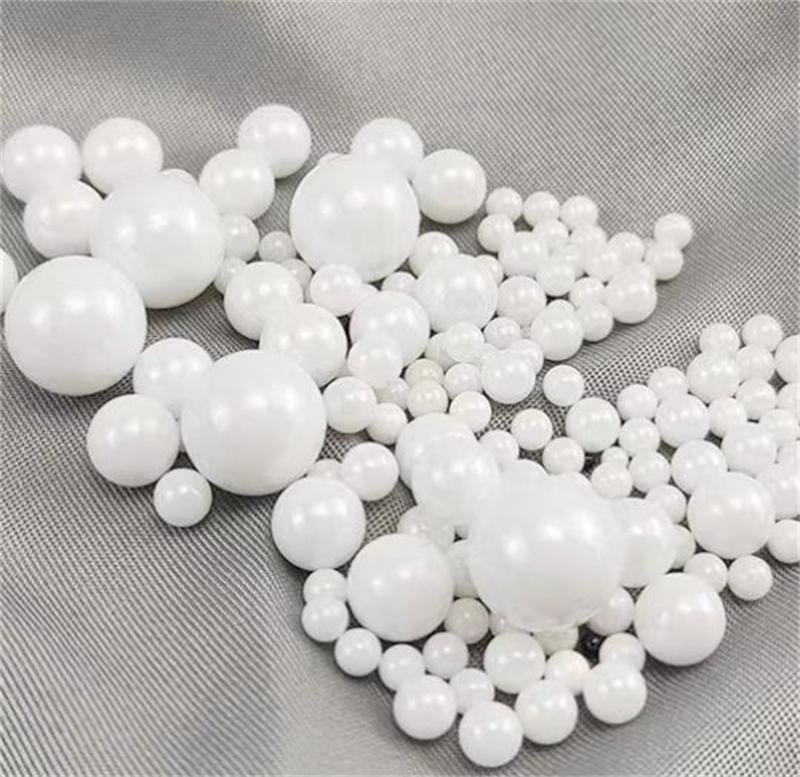
Typical application scenarios and our selection advantages
Aluminum nitride ceramics are widely used in 5G base station power amplifiers, high-power LED lighting, new energy vehicle IGBT modules, AI server heat dissipation substrates, and semiconductor manufacturing equipment such as electrostatic chucks and ceramic heaters. Choosing us means choosing the full chain quality control from high-performance powders to finished product processing. We adopt mature sintering and metallization processes to ensure high density and consistent performance of each batch of products, and provide fast sampling and mass production support to help customers shorten the research and development cycle and seize market opportunities.
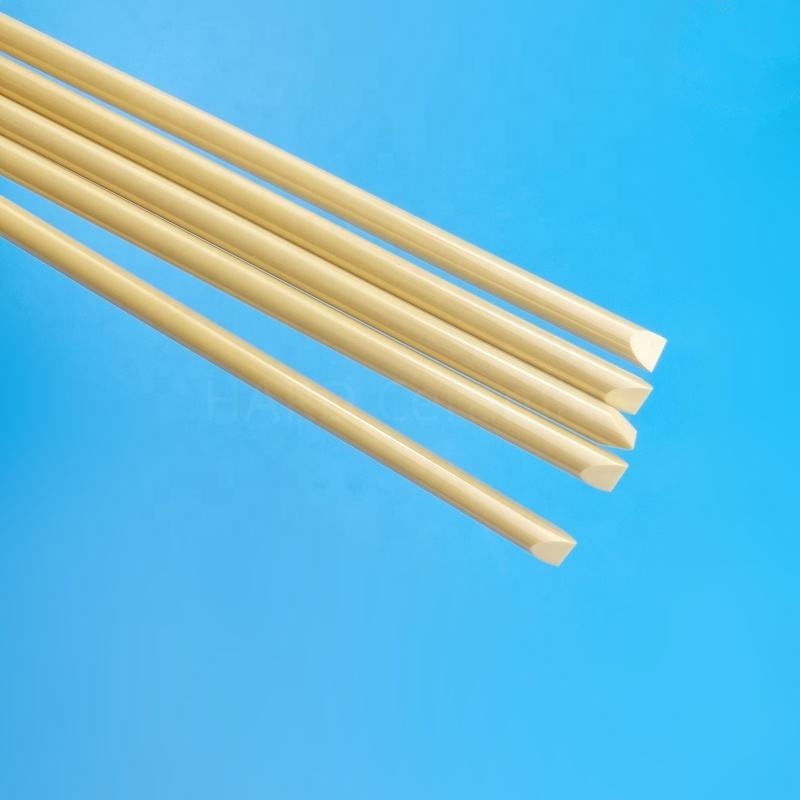
Customer application case: Upgrading the heat dissipation of car matrix headlights
Application background: A well-known automotive parts supplier encountered severe thermal management challenges while developing a new generation of matrix LED headlights for vehicles. Due to the constant temperature in the engine compartment exceeding 125 ℃ and continuous vibrations during vehicle operation, traditional aluminum oxide substrates are unable to timely dissipate the heat from high brightness LED chips, resulting in severe light attenuation and even delamination and detachment of the substrate chip interface.
Solution: The customer has introduced our customized high thermal conductivity aluminum nitride ceramic heat dissipation substrate (thermal conductivity ≥ 200 W/(m · K)). By optimizing the substrate thickness and surface metallization circuit design, combined with the extremely low thermal expansion coefficient of aluminum nitride material, the thermal stress requirements of LED chips are perfectly matched.
Application effect: After six months of rigorous road testing and high and low temperature impact testing, the core junction temperature of the matrix headlight using aluminum nitride substrate has been reduced by about 30 ℃, and the problem of light attenuation has been completely solved without any interface delamination or insulation failure. This solution not only improves the overall lifespan of the car lights, but also helps customers successfully obtain mass production orders from leading new energy vehicle companies.
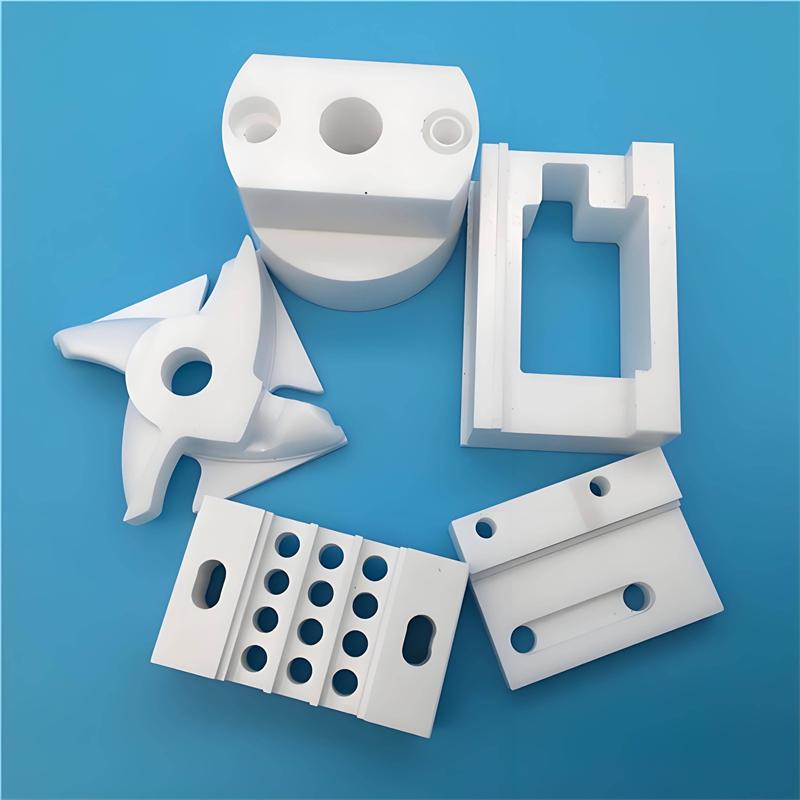
If you are facing the heat dissipation challenge of high-power devices or need high-quality customized solutions for aluminum nitride ceramics, please feel free to contact us at any time for exclusive material selection and procurement quotes!
Brudeze Ceramics supplies and sells a wide range of high-quality quartz glass, including alumina ceramics, zirconia ceramics, silicon nitride ceramics, aluminum nitride ceramics, silicon carbide ceramics, boron carbide ceramics, bioceramics, machinable ceramics, etc. We can meet the customization requirements of various ceramic products.
Tags: boron carbide ceramics
PREVIOUS:Application differences between alumina ceramic plates and zirconia ceramic plates
CATEGORIES
LATEST NEWS
- What is the thermal conduct...
- Application differences bet...
- Which is more wear-resistan...
- Are microcrystalline cerami...
- What is the difference betw...
- Compared to ordinary cerami...
- What are the main material ...
- Large sized microcrystallin...
- What is the maximum operati...
- Low dielectric constant mic...