
Silicon nitride ceramics have lower thermal resistance
In the era of pursuing high power density and miniaturization in electronics, thermal resistance has become a key bottleneck restricting device performance and reliability. Silicon nitride ceramics (Si ∝ N ₄) stand out among many ceramic substrate materials due to their thermal conductivity close to 90 W/m · K and highly advantageous bending strength (>800 MPa). It not only provides a lower thermal resistance path than other ceramics, but also solves the problem of traditional heat dissipation materials being prone to cracking under severe thermal cycles, making it an ideal combination for realizing the potential performance of third-generation semiconductors (SiC/GaN).
Common problem: The heat dissipation issue of silicon nitride ceramics that you are concerned about
Q: My IGBT module frequently fails at high temperatures. Is there any material that can efficiently dissipate heat and withstand severe temperature shocks?
Answer: Yes. Our silicon nitride ceramic substrate has extremely low thermal resistance, which can quickly dissipate the junction temperature of the chip. Its excellent thermal shock resistance (able to withstand rapid temperature changes from -55 ° C to 150 ° C) ensures that it does not crack or delaminate during frequent switching and cold and hot cycles, greatly improving the lifespan of the module.
Q: I am developing a new energy vehicle motor controller with limited space but high power requirements. Can silicon nitride help me reduce the size of the radiator?
Answer: Absolutely possible. The high thermal conductivity of silicon nitride means that with the same power consumption, you can meet the heat dissipation needs with a smaller substrate area or thinner cross-section, significantly reducing system volume and weight, especially suitable for electric vehicles and aerospace fields that have extreme requirements for lightweight.
Q: Are there independent ceramic components that do not rely on metal heat dissipation in highly corrosive and high-temperature environments such as smelting or chemical engineering?
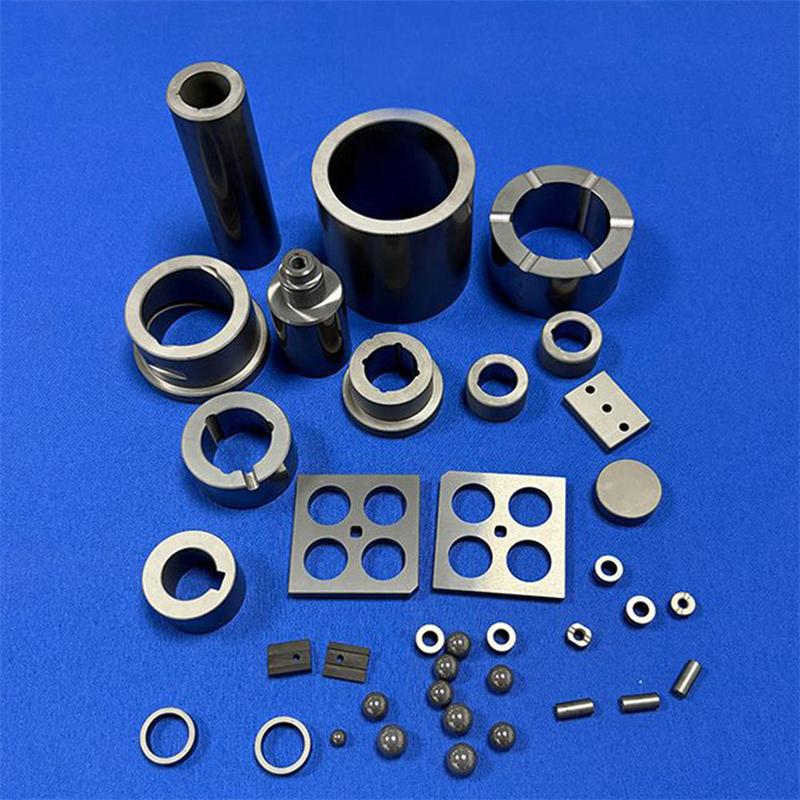
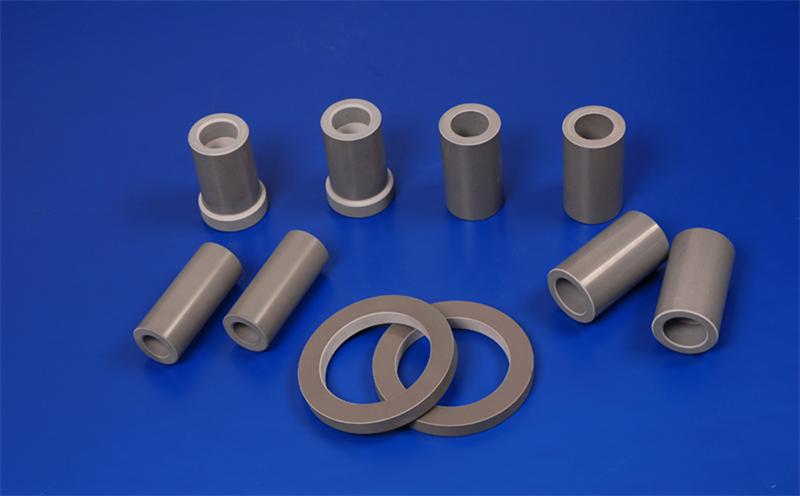
Answer: Of course there is. In addition to metalized substrates, we also provide high-purity silicon nitride ceramic tubes, heater protection tubes, and other shaped components. They have fast thermal conductivity, low thermal resistance, and are inert to molten metals and chemical reagents, and can work stably in harsh environments below 1300 ℃ for a long time.
Product core advantage: not only thermal conductivity, but also the king of comprehensive performance
The reason why silicon nitride ceramics can achieve lower thermal resistance is due to their unique microstructure and material formula.
- Unity of high thermal conductivity and high strength: Unlike the low thermal conductivity of aluminum oxide and the “high-strength fragility” of aluminum nitride, silicon nitride has a thermal conductivity of 70-90 W/(m · K) and a bending strength of 600-800 MPa, which is almost more than twice that of aluminum nitride and aluminum oxide. The significance of high strength lies in the fact that in order to reduce thermal resistance, it is often necessary to thin the substrate, and only silicon nitride can withstand assembly stress and power cycle impact without breaking after thinning.
- Extremely low thermal resistance coefficient: Thermal resistance depends not only on the thermal conductivity (λ) of the material itself, but also on the interface material. The silicon nitride ceramic substrate is tightly bonded to the copper layer through active metal brazing (AMB) or direct copper deposition (DBC) technology, eliminating interfacial thermal resistance and forming a “thermal highway” from the chip to the heat sink.
- Excellent heat shock resistance: The thermal expansion coefficient of silicon nitride (about 2.8-3.5 × 10 ⁻⁶/℃) matches well with chip materials (Si, SiC), and will not produce microcracks under severe temperature differences. Kyocera’s data shows that its high thermal conductivity silicon nitride can withstand a thermal shock of Δ t=900 ℃.
What specific problems can we solve?
-Performance degradation caused by heat accumulation: solves the problem of high chip junction temperature and decreased computing speed due to the inability to timely dissipate heat under high power density.
-Reliability disaster caused by thermal fatigue: solving the problems of solder layer fatigue and ceramic substrate cracking caused by frequent thermal cycling in new energy vehicles and variable frequency household appliances.
-High cooling cost of the system: By reducing thermal resistance and decreasing reliance on complex liquid cooling systems or large air-cooled radiators, the total cost of the system (TCO) can be lowered.
Rich product form and specification customization services
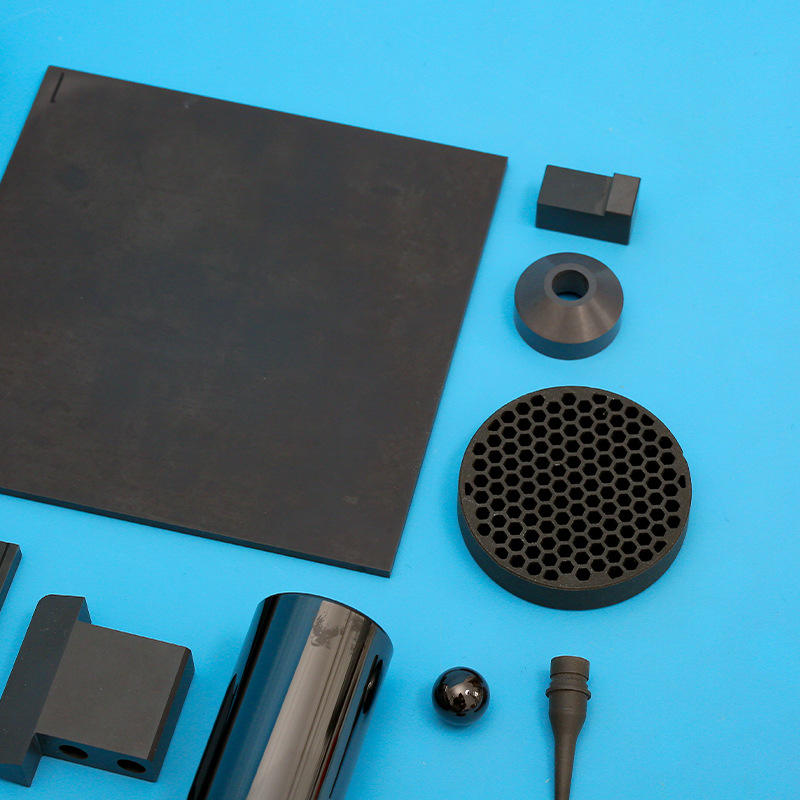
We are well aware that a single product cannot meet all application scenarios. Therefore, we offer a full range of silicon nitride ceramic products and support high customization:
-Ceramic substrate: suitable for AMB/DBC process, with thicknesses ranging from 0.25mm, 0.5mm to 1.0mm, and sizes up to 100x100mm or larger.
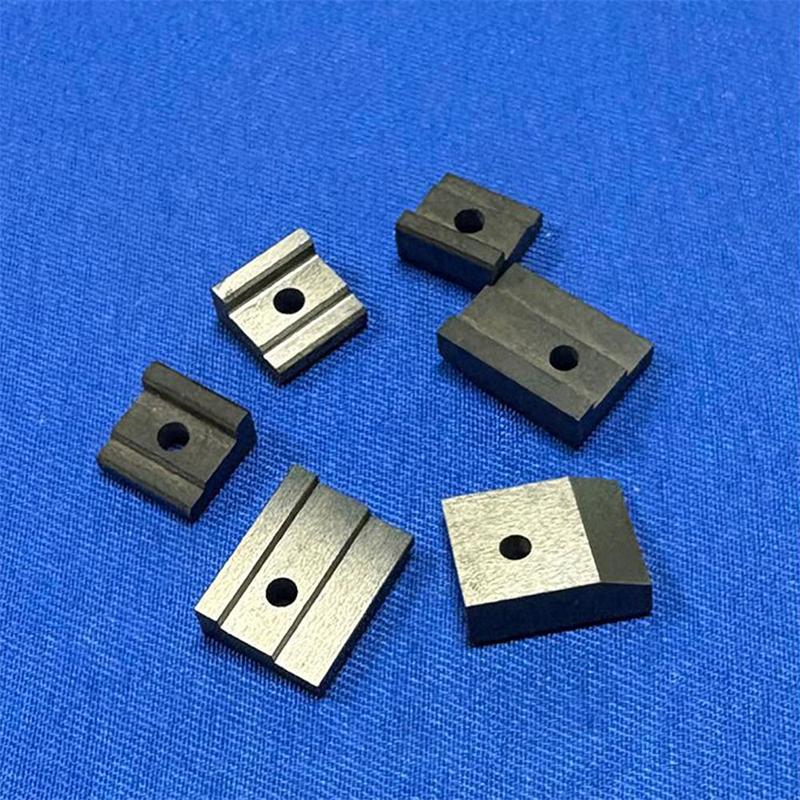
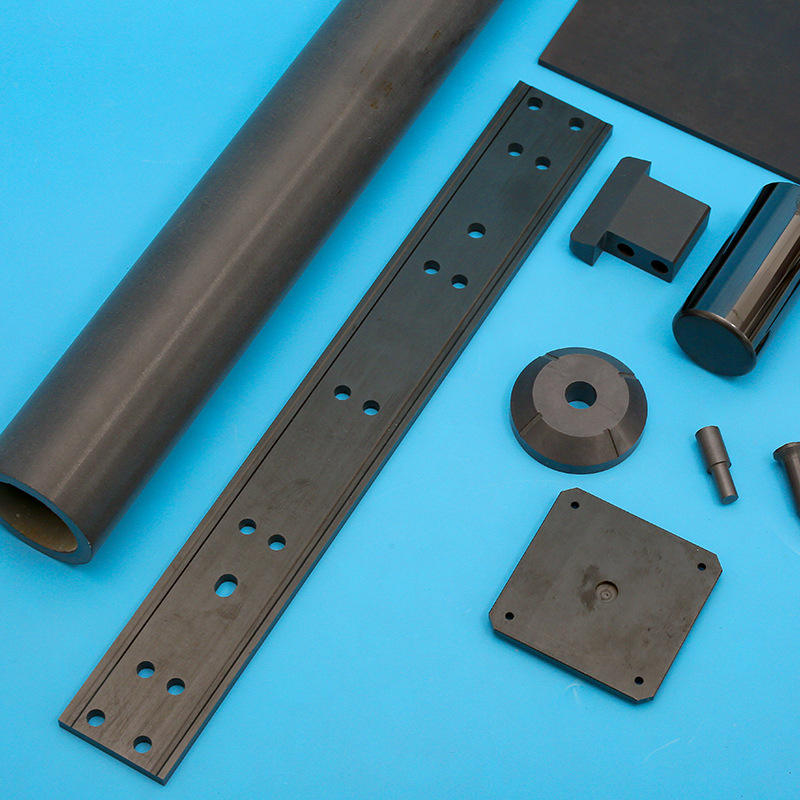
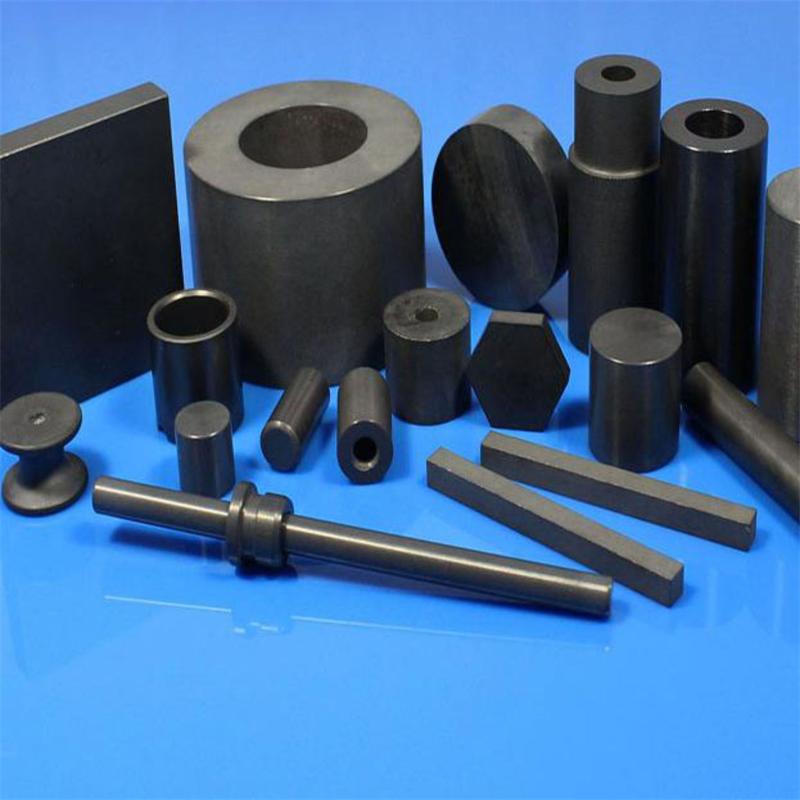
-Ceramic structural components: including silicon nitride bearing balls (with a density only one-third of steel), ceramic tubes, ceramic rods, shaped precision parts, etc., can be customized according to drawings.
-High thermal conductivity finished components: such as Kyocera SN241O series, used as protective tubes for aluminum melt heating furnaces, with a thermal conductivity twice that of conventional products.
Customer Application Cases
In order to more intuitively demonstrate the ultra-low thermal resistance advantages of silicon nitride ceramics, the following are two typical anonymous customer cases:
Case 1: Upgrading and Replacing the Electronic Control Unit (ECU) of New Energy Vehicles
-Customer demand: A well-known Tier 1 supplier of new energy vehicles discovered that although traditional aluminum nitride substrates have good thermal conductivity, they have developed a large number of microcracks after vehicle vibration and rigorous thermal cycling tests at -40 ℃~125 ℃, resulting in insulation failure, while developing the next generation of 800V high-voltage SiC inverters.
-Solution: We recommend using AMB process for silicon nitride ceramic copper substrate (Si ∝ N ₄ – AMB). By utilizing the mechanical strength of silicon nitride up to 800MPa, the substrate thickness was reduced from 0.63mm to 0.32mm, further reducing thermal resistance.
-Final effect:
-Thermal resistance reduced by 25%: The chip junction temperature decreased by 15 ℃ compared to the original solution, allowing the inverter output current to increase by 20%.
-Reliability passed: After 2000 rigorous thermal cycles, the substrate showed no cracks and the adhesion strength of the copper layer did not weaken.
-Lightweight: Due to improved heat dissipation efficiency, the original water-cooled plate volume has been reduced by 10%, contributing valuable space to vehicle endurance.
Case 2: Lightweight industrial drone motor bearings
-Customer requirement: An industrial drone company needs to develop a long-range reconnaissance drone. Its motor generates severe heat at high speeds and needs to cope with extreme temperature differences from cold regions to deserts. Traditional steel bearings have average thermal conductivity and high density, which affects their endurance.
-Solution: The customer has purchased our high-precision silicon nitride ceramic global bearings. The thermal conductivity of silicon nitride material is several times that of bearing steel, and its density is only about 3.2 g/cm ³, much lower than that of steel.
-Final effect:
-Significant improvement in heat dissipation: The heat of the motor is quickly conducted to the outer ring through ceramic balls, reducing the operating temperature of the motor by 30% and effectively preventing high-temperature deterioration of the lubricating grease.
-Range improvement: Bearing weight reduction of over 50%, motor power consumption reduced, drone range extended by 18%.
-Excellent weather resistance: Under high altitude, low temperature, and high-speed rotation, the low thermal expansion coefficient of silicon nitride ensures stable bearing clearance and smoother operation.
Let your device release more energy in a smaller space! If you are facing a bottleneck in heat dissipation or wish to take the power density of your product to a new level, we sincerely invite you to communicate with us.
Contact our engineering team immediately and let us know your specific application scenario and size requirements. We will provide you with a professional customized solution for silicon nitride ceramics!
Brudeze Ceramics supplies and sells a wide range of high-quality quartz glass, including alumina ceramics, zirconia ceramics, silicon nitride ceramics, aluminum nitride ceramics, silicon carbide ceramics, boron carbide ceramics, bioceramics, machinable ceramics, etc. We can meet the customization requirements of various ceramic products.
Tags: boron carbide ceramics
PREVIOUS:Overall heat dissipation performance of silicon nitride ceramic substrate
NEXT:Application of silicon nitride ceramics in the LED industry
CATEGORIES
LATEST NEWS
- Which is more wear-resistan...
- Are microcrystalline cerami...
- What is the difference betw...
- Compared to ordinary cerami...
- What are the main material ...
- Large sized microcrystallin...
- What is the maximum operati...
- Low dielectric constant mic...
- High hardness and wear-resi...
- Low expansion microcrystall...