
Silicon nitride ceramic substrate has stronger current carrying capacity
Q: When designing the next generation of new energy vehicle motor controllers, IGBT/SiC modules have extremely high requirements for the substrate’s current carrying capacity and heat dissipation. Existing aluminum nitride (AlN) or aluminum oxide (Al ₂ O3) substrates either experience rapid temperature rise or lack reliability at high currents. How do you solve this problem?
Answer: Silicon nitride (Si3N4) ceramic substrates can withstand higher current densities without cracking at the same line width/spacing due to their higher bending strength, better thermal conductivity, and thermal expansion coefficient that matches silicon wafers. Simply put, under the same breakdown voltage, you can design narrower wiring or achieve lower temperature rise and longer lifespan under the same line width.
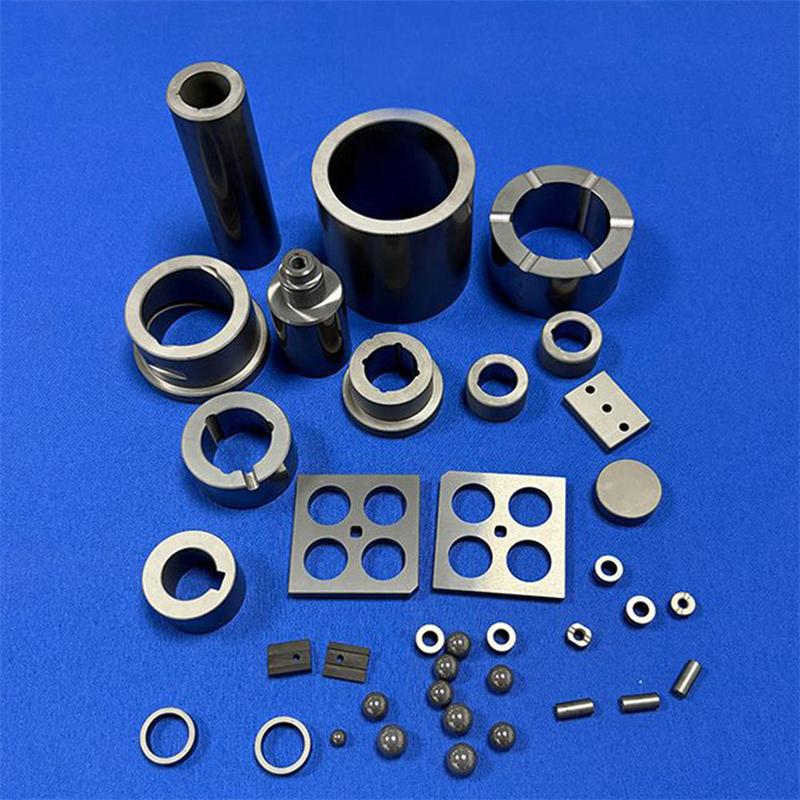
Core advantage: Why does silicon nitride have stronger current carrying capacity?
The ‘impossible triangle’ of material properties has been broken
Traditional ceramic substrates are difficult to simultaneously meet high thermal conductivity, high toughness, and high insulation requirements. Silicon nitride is the only one that possesses both:
-Thermal conductivity:>85 W/(m · K) (up to 90+for high-purity batches), close to the level of aluminum nitride;
-Bending strength:>800 MPa, which is 3 times that of aluminum nitride and 4 times that of aluminum oxide;
-Thermal expansion coefficient: 3.2 × 10 ⁻⁶/K, highly compatible with SiC/Si.
This means:
Under high current, the thermal stress is lower → the solder layer is less prone to fatigue → the substrate itself does not crack → the bottleneck of current carrying capacity shifts from “material fracture” to “copper layer melting” – and the melting point of copper is 1083 ℃.
Actual measurement data of electrical performance
-Breakdown voltage: Under the specification of 0.32mm thickness, the dielectric breakdown voltage is greater than 30kV;
-Current carrying capacity improvement: Under the same 5mm line width and 0.3mm copper thickness conditions, the current allowed to pass through the Si ∝ N ₄ AMB substrate is about 25% higher than that of AlN DBC (third-party measurement, temperature rise limited to within 40 ℃);
-Volume resistivity:>1 × 10 ¹⁴Ω· cm, with extremely low leakage current at high temperatures.
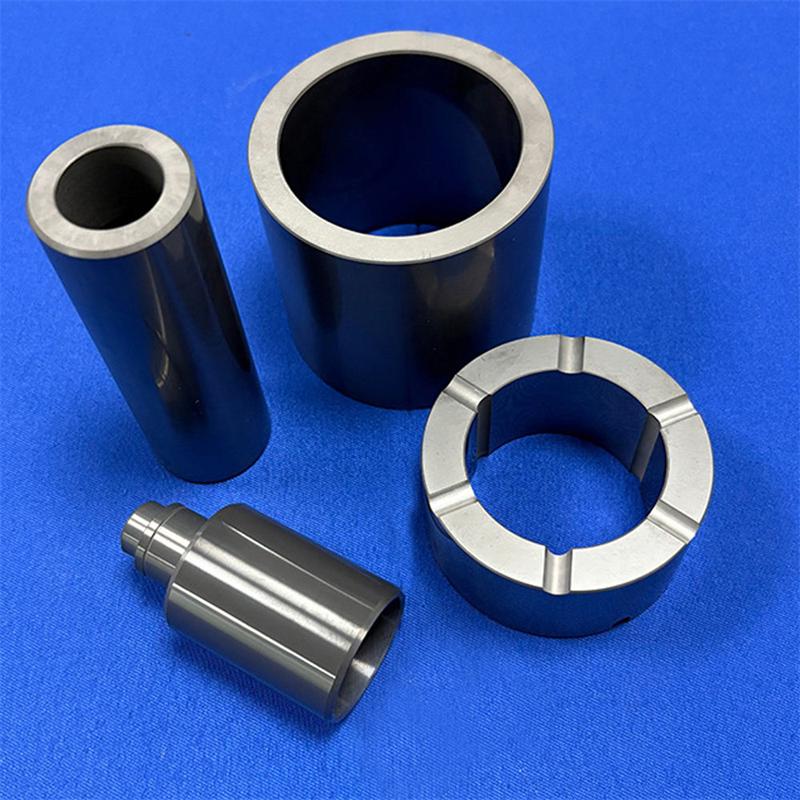
Typical application scenarios
New energy vehicle main drive inverter
The 800V high-voltage platform is widely used, and the junction temperature of SiC modules can reach up to 200 ℃.
Silicon nitride solution: withstand>500A RMS current surge, active thermal cycling test>5000 times without failure.
Rail Transit/Traction Converter
Frequent start stop causes severe power fluctuations.
Silicon nitride solution: resistant to both mechanical and thermal impacts, reducing on-site replacement frequency.
Photovoltaic/wind power converter
Outdoor working conditions have large temperature differences and high humidity.
Silicon nitride solution: High chemical stability, resistant to salt spray corrosion without the need for additional coatings.
RF and Laser
Require extremely low thermal resistance and low dielectric loss at high frequencies.
Silicon nitride solution: dielectric constant as low as 8.5 (1MHz), suitable for high-frequency packaging.
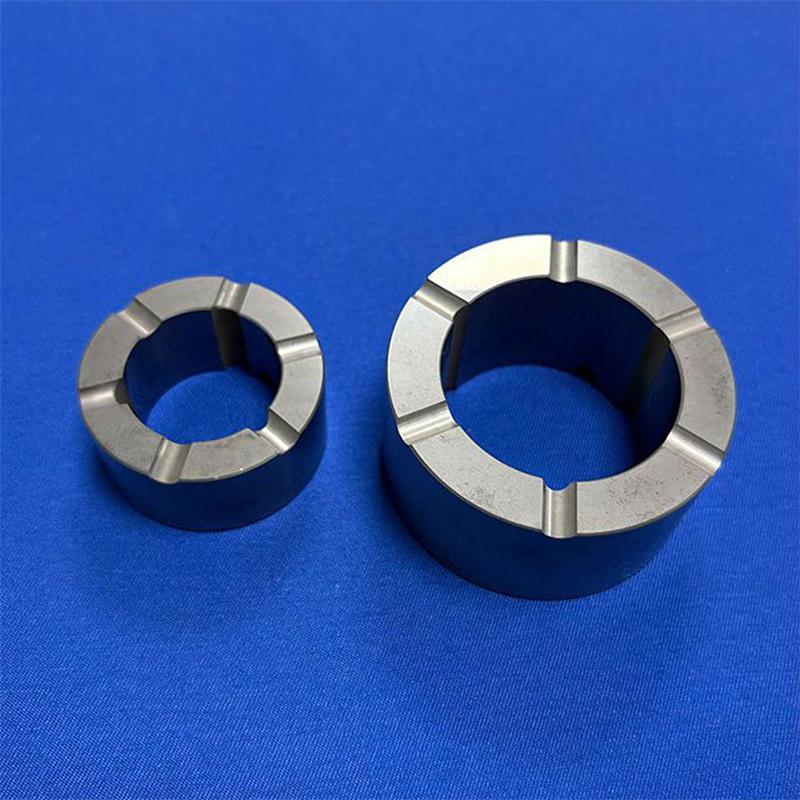
What specific problems can we solve for you?
Sudden cracking of substrate under high current: bending strength>800MPa, can accept rigorous bending test
Insulation resistance decreases at high temperatures: wide bandgap characteristics, maintaining high insulation at 300 ℃
Localized overheating caused by solder voids: Copper coating bonding strength>15N/mm (AMB process), uniform thermal resistance
System weight/volume exceeding standard: can be designed with ultra-thin structure (0.25mm thickness), reducing weight by 30%+
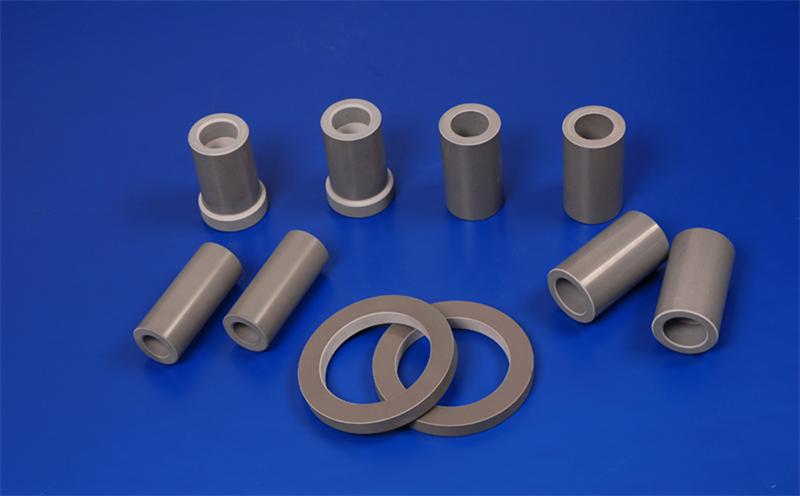
Customer Application Case (Anonymous)
Case A (a Tier 1 inverter manufacturer in Europe)
-Background: The original plan used AlN DBC, and after continuous operation for 200 hours at 450A/800V, some solder layers peeled off, resulting in a 30% increase in thermal resistance.
-Countermeasure: Change to a Si ∝ N ₄ AMB substrate of the same thickness, with the same copper thickness, and the layout does not need to be modified.
-Result: Under the same testing conditions, the thermal resistance remained stable within ± 5% of the initial value, completing the 5000 hour reliability certification and entering the B-sample stage.
Case B (a certain rail transit equipment group)
-Background: The traction auxiliary inverter needs to ensure a 20-year service life under cyclic conditions of -40 ℃~150 ℃, with batch edge cracks on the original alumina substrate.
-Countermeasure: Adopt a 0.5mm thick Si ∝ N ₄ substrate and optimize the graphic margin design.
-Result: There were no cracks after 1000 thermal cycles (-55 ℃/150 ℃), and 30000 pieces per year have been delivered in bulk.
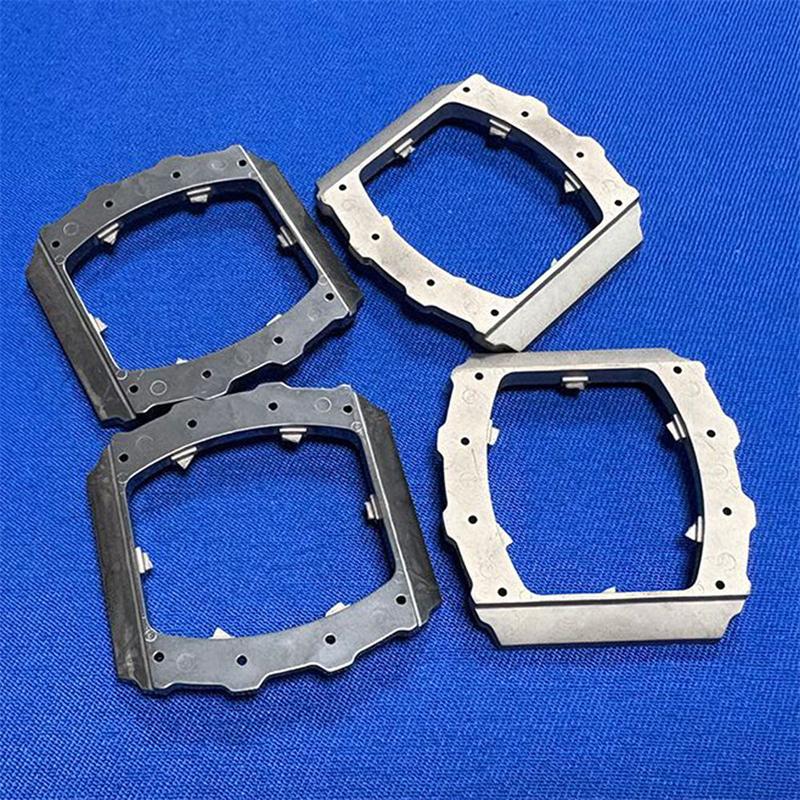
Silicon nitride ceramic substrate is no longer just a “laboratory performance benchmark”, but a cost-effective choice that has entered large-scale production at the automotive grade. Whether you are developing the next generation SiC main drive module or looking to directly improve current carrying capacity without changing the layout, we can provide one-stop services from material selection, thermal simulation to sample customization.
Brudeze Ceramics supplies and sells a wide range of high-quality quartz glass, including alumina ceramics, zirconia ceramics, silicon nitride ceramics, aluminum nitride ceramics, silicon carbide ceramics, boron carbide ceramics, bioceramics, machinable ceramics, etc. We can meet the customization requirements of various ceramic products.
Tags: boron carbide ceramics
PREVIOUS:Silicon nitride ceramics can improve heat dissipation performance
NEXT:Overall heat dissipation performance of silicon nitride ceramic substrate
CATEGORIES
LATEST NEWS
- High temperature resistant ...
- High grinding zirconia cera...
- Pollution free zirconia cer...
- High purity zirconia cerami...
- Low wear zirconia ceramic b...
- High hardness zirconia cera...
- High density zirconia ceram...
- Electric field sintering zi...
- Magnetic field sintering zi...
- Activated sintered zirconia...