
Silicon nitride ceramics can improve heat dissipation performance
What should we do if electronic products overheat and affect their performance and lifespan?
Q: I am developing a 5G base station RF module. With the continuous improvement of power density, traditional heat dissipation materials can no longer meet the thermal conductivity requirements. Overheating of the chip leads to severe performance degradation. What are the solutions?
Answer: Silicon nitride ceramic heat dissipation substrates and structural components can help you solve this problem. This material combines high thermal conductivity (60-120W/m · K), excellent mechanical strength, and electrical insulation performance. It can quickly conduct heat in a limited space, reduce hot spot temperature by more than 30%, and serve as a structural support without the need for additional heat dissipation devices.
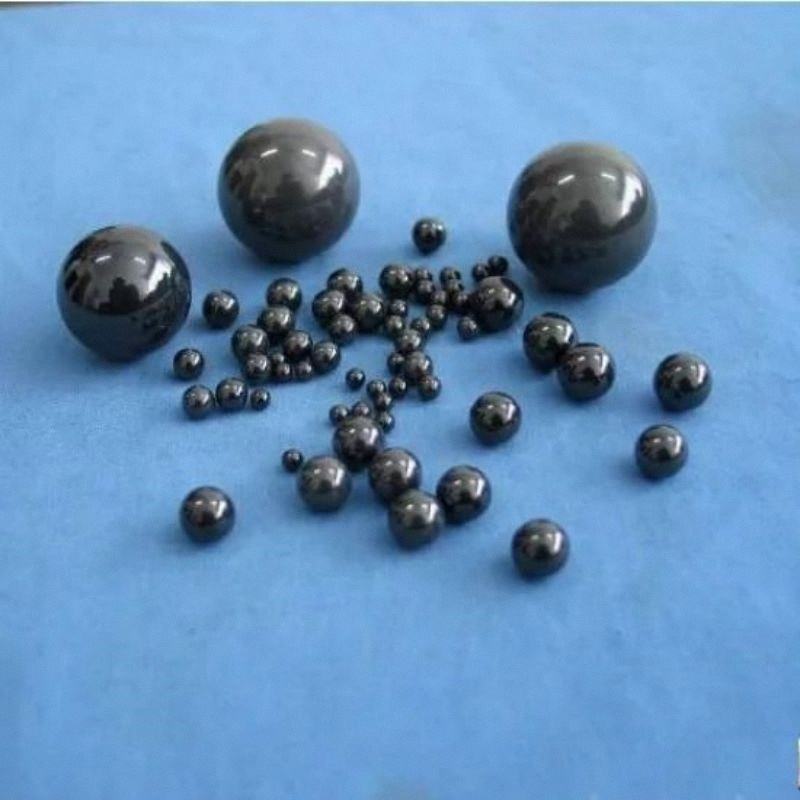
Core heat dissipation advantages of silicon nitride ceramics
Silicon nitride (Si3N4) ceramics have become an ideal material for heat dissipation in high-power electronic devices in recent years, with core advantages reflected in the following aspects:
- Excellent thermal conductivity
The theoretical thermal conductivity of silicon nitride ceramics can reach over 200W/m · K, and currently commercial products are stable at 60-90W/m · K, with some high-end models breaking through 120W/m · K. Compared to alumina ceramics (20-30W/m · K) and aluminum nitride ceramics (170-190W/m · K but with insufficient strength), silicon nitride achieves an ideal balance between thermal conductivity and mechanical properties. - Almost zero inflation matching problem
The coefficient of thermal expansion (CTE) is 2.8-3.2 × 10 ⁻⁶/K, which is highly compatible with third-generation semiconductor chips such as silicon carbide (SiC) and gallium nitride (GaN), significantly reducing the risk of solder fatigue and chip cracking caused by thermal stress. - Ultra high strength and fracture toughness
The bending strength reaches 600-900MPa, and the fracture toughness is 6-8MPa · m ¹/², which is 2-3 times that of ordinary ceramic materials. This means that it is not easy to crack under vibration and thermal shock conditions, and can be made into thin plates below 0.3mm to reduce thermal resistance. - Electrical insulation and corrosion resistance
The volume resistivity is greater than 10 ¹⁴Ω· cm, the breakdown strength is greater than 20kV/mm, and it is also resistant to acid and alkali, oxidation, and suitable for harsh environments such as high voltage, humidity, and salt spray.
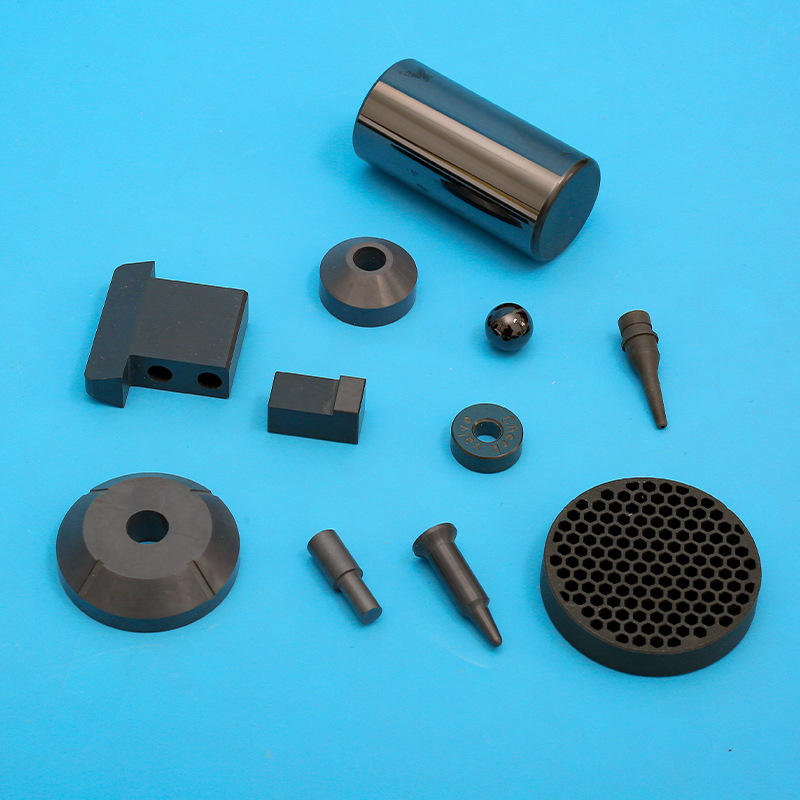
Addressing pain points in three major industries
The silicon nitride ceramic heat dissipation substrate is not an “improvement” of traditional materials, but a “reconstruction” of the heat dissipation bottleneck. For fields such as power electronics, RF devices, and rail transit, it mainly solves the following problems:
Thermal accumulation leads to performance degradation: Traditional substrates have insufficient thermal conductivity, and heat accumulates at the interface, resulting in a 50% reduction in lifespan for every 10 ℃ increase in chip junction temperature
Thermal stress causes cracking of the solder layer: the difference in CTE between ceramics and chips is too large, and microcracks appear in the solder layer under repeated thermal cycling, ultimately leading to open circuit failure
Insufficient insulation and voltage resistance redundancy: Under the 800V high-voltage platform of electric vehicles, the insulation life of conventional organic copper-clad laminates drops sharply
Silicon nitride ceramics provide a systematic solution: high thermal conductivity (>90W/m · K)+low expansion (2.6-3.2ppm/K)+high insulation (>10 ¹⁵Ω· cm), a material that simultaneously satisfies the triple constraints of heat, force, and electricity.
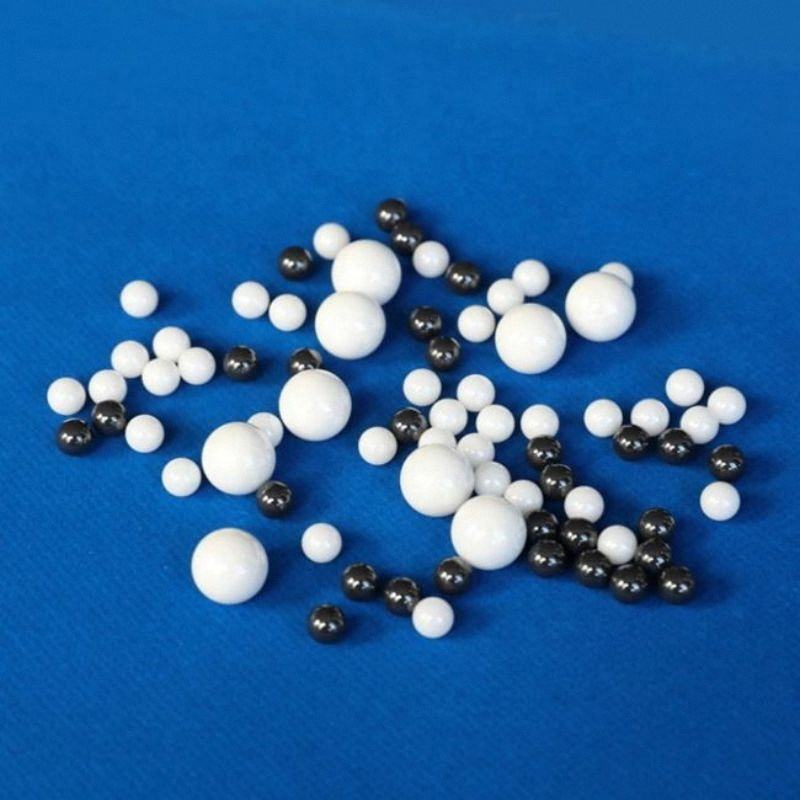
Flexible customized services
We offer the ability to customize full-size specifications:
-Thickness range: 0.2mm -20mm
-Size range: 5 × 5mm -200 × 200mm (cast sheet); ≤φ 300mm (dry pressed disc)
-Shape customization: circular, square, L-shaped bracket, irregular insulation gasket, multi-layer co fired structural components
-Surface treatment: Grinding and polishing (Ra ≤ 0.2 μ m), metalized coating (Ti/Ni/Ag/Au), laser marking
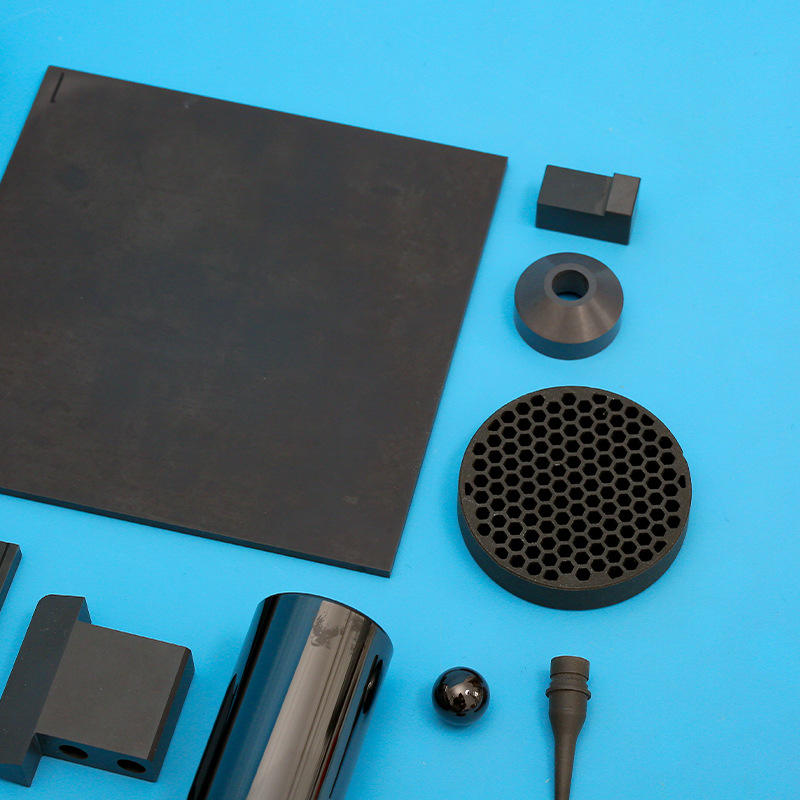
Customer Application Case (Anonymous)
Case 1: A certain head communication equipment manufacturer (5G Massive MIMO filter)
The customer is facing a bottleneck in the overall heat dissipation of the AAU (active antenna unit), as the thermal conductivity of the original alumina ceramic substrate is insufficient, resulting in the filter temperature exceeding the standard, and the PA needs to be downgraded for use. After replacing with a 0.5mm thick silicon nitride ceramic substrate, the thermal conductivity increased from 24W/m · K to 85W/m · K, the overall temperature rise decreased by 18 ℃, and the output power increased by 15%. At the same time, it passed 2000 thermal cycle tests from -40 ℃ to+125 ℃ without cracking or failure.
Case 2: New Energy Vehicle Electronic Control System (OBC/DCDC)
A Tier 1 supplier needs to integrate heat dissipation and high-voltage insulation functions into a 30kW on-board charger. Using silicon nitride ceramic insulation pads instead of traditional thermal conductive silicone grease+mica sheet solution reduces thermal resistance by 62% and can carry higher current density under the same heat dissipation conditions; The compressive strength of ceramics meets the requirements for bolt fastening conditions. Currently, over 200000 sets have been mass-produced and installed, with zero customer complaints.
Case 3: Industrial laser heat sink structural components
High power semiconductor lasers have extremely high bar heat flux density. Customers customize nitride ceramic heat sinks, utilizing their high thermal conductivity and low expansion characteristics to achieve stress buffering between chips and microchannel cold heads. The stability of laser output power is increased by 12%, and the lifespan is extended to over 30000 hours.
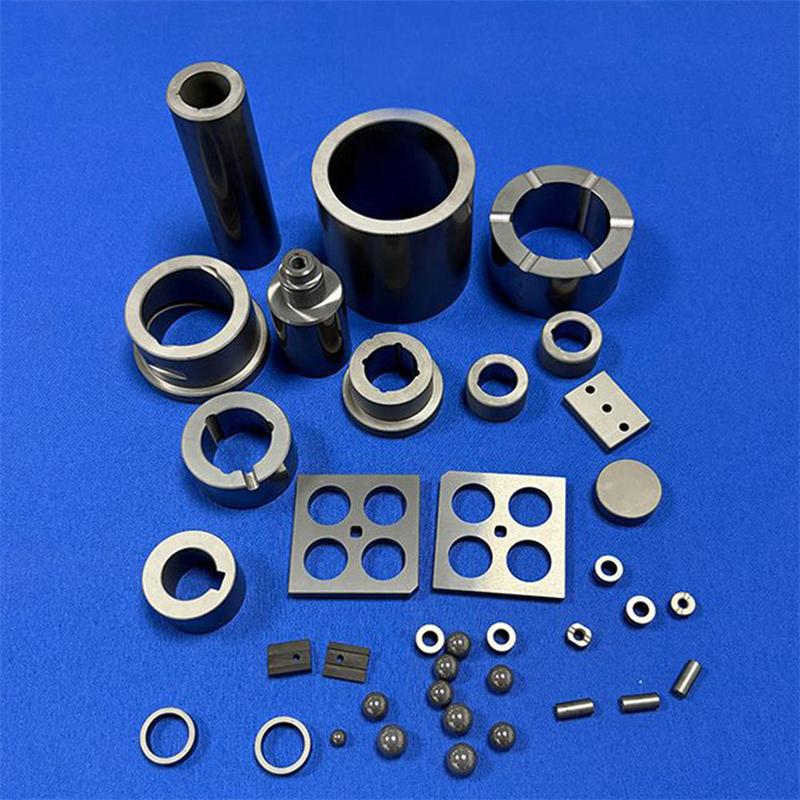
Silicon nitride ceramics are redefining the heat dissipation limits of high-power electronic devices. If you are looking for a material solution that can conduct heat, bear weight, insulate, and be trusted for a long time, we welcome you to provide specific requirements.
Brudeze Ceramics supplies and sells a wide range of high-quality quartz glass, including alumina ceramics, zirconia ceramics, silicon nitride ceramics, aluminum nitride ceramics, silicon carbide ceramics, boron carbide ceramics, bioceramics, machinable ceramics, etc. We can meet the customization requirements of various ceramic products.
Tags: boron carbide ceramics
PREVIOUS:Silicon nitride ceramics with ultra-high fracture toughness
NEXT:Silicon nitride ceramic substrate has stronger current carrying capacity
CATEGORIES
LATEST NEWS
- High temperature resistant ...
- High grinding zirconia cera...
- Pollution free zirconia cer...
- High purity zirconia cerami...
- Low wear zirconia ceramic b...
- High hardness zirconia cera...
- High density zirconia ceram...
- Electric field sintering zi...
- Magnetic field sintering zi...
- Activated sintered zirconia...