
Can Zirconia Ceramic Plates Be Used in Medical Devices
As medical technology continues to advance toward precision and minimally invasive procedures, the material properties of core device components are facing unprecedented challenges. Thanks to their unique physicochemical properties, zirconia ceramic plates have moved from the laboratory to the clinical front lines, becoming a key solution to the “material bottleneck” in high-end medical devices. So, can zirconia ceramic plates truly meet the stringent requirements of medical devices? The answer is yes. Not only can they meet these demands, but they also demonstrate significant advantages—in terms of biocompatibility, chemical stability, and mechanical strength—that traditional metals and polymer materials struggle to match.
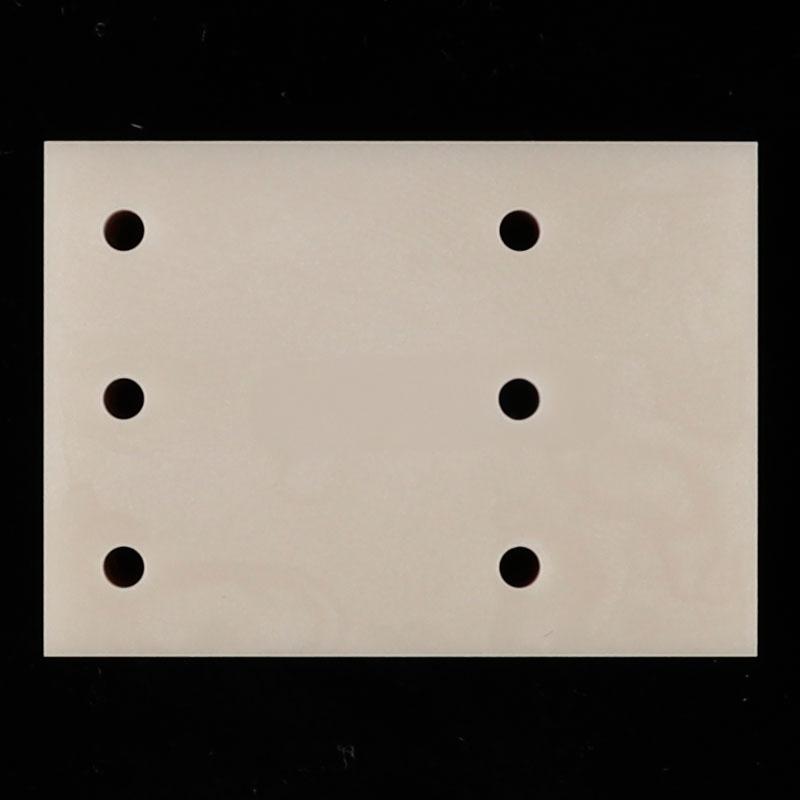
Core Challenges in Medical Devices
In the design and manufacturing of medical devices, engineers frequently face several challenging issues: First, component corrosion and failure caused by strong acidic or alkaline disinfectants or complex bodily fluid environments; second, the risk of tissue allergies or long-term loosening due to the release of metal ions from metallic components; third, rapid wear of components under high-friction conditions, leading to reduced device precision and a shorter service life. Zirconia ceramic plates offer a systematic solution to these challenges. Their chemical inertness effectively prevents the release of metal ions; their extremely high hardness and flexural strength can withstand long-term mechanical stress; and their excellent biocompatibility ensures the safety of implantable devices.
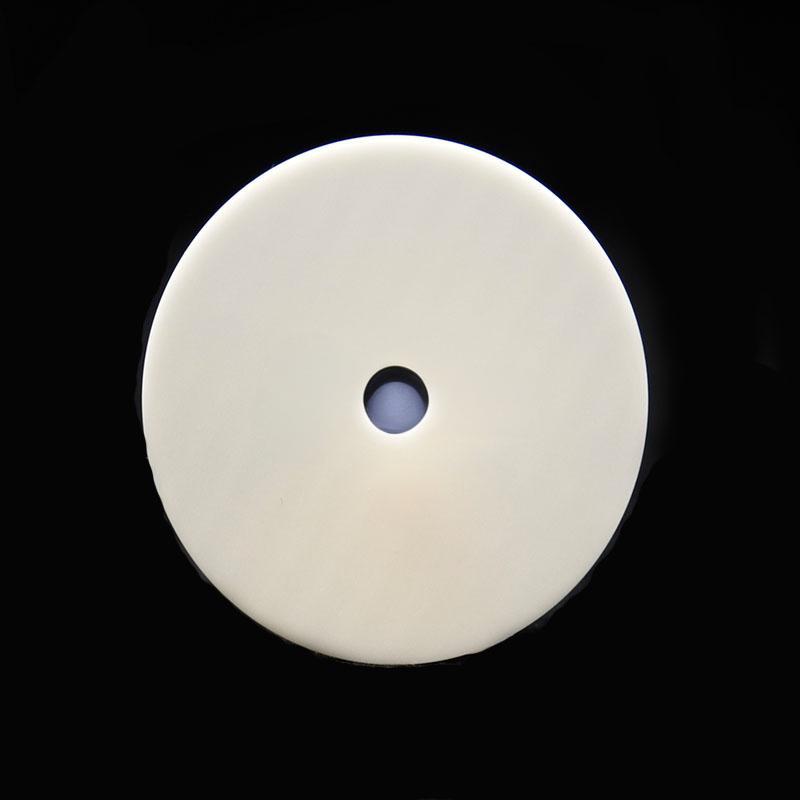
Analysis of Applications and Core Value
- Orthopedic and Dental Implant Fields
The application of zirconia ceramics is most mature in the fields of hip replacement and dental implants. A new generation of zirconia ceramic femoral heads has been approved for market release by the National Medical Products Administration (NMPA). Utilizing high-low temperature cyclic sintering technology, these components control grain size to approximately 200 nanometers, enabling controlled phase transformations and thereby achieving extremely high fracture resistance. For dental restorations, zirconia full crowns can achieve a flexural strength of over 1,000 MPa. By adjusting the yttrium oxide content, a balance between strength and aesthetics (translucency) can be achieved, meeting various clinical needs ranging from fixed posterior bridges to single anterior crowns. - Core Components for High-Precision Medical Devices
In in vitro diagnostic devices, hemodialysis machines, and minimally invasive interventional devices, zirconia ceramic sheets are machined into precision components such as pistons, valve cores, and bushings. Their advantages include extremely high dimensional accuracy (machining tolerance as tight as ±0.001 mm) and mirror-like surface finish (Ra ≤ 0.1 μm), ensuring leak-free and contamination-free fluid control. At the same time, their excellent corrosion resistance allows them to withstand various strong acidic and alkaline chemical reagents over the long term without failure, solving the problems of wear and corrosion associated with metal valve components.
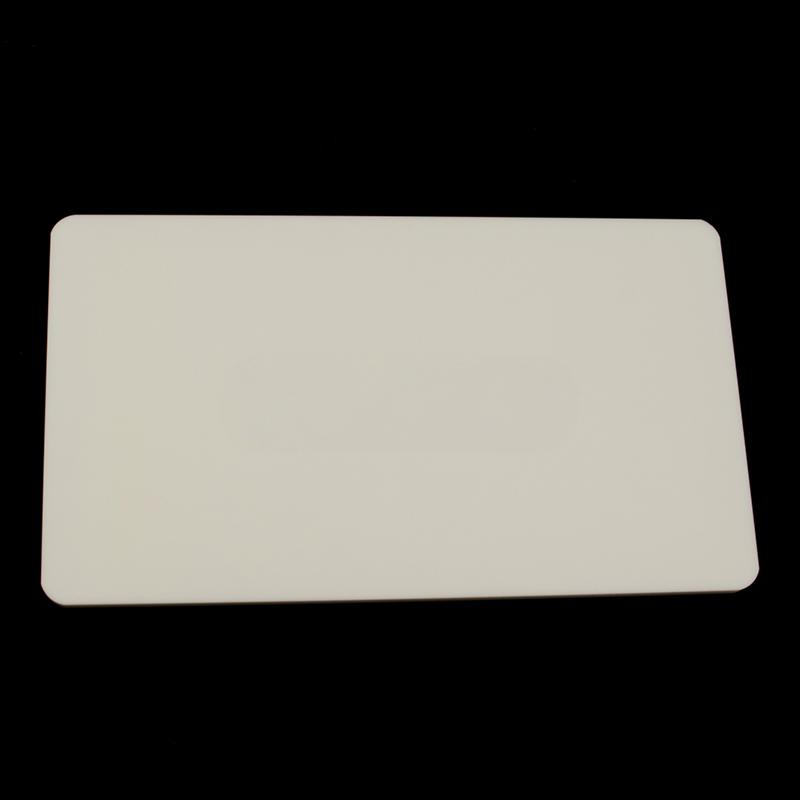
Why Choose Our Zirconia Ceramic Solutions
Choosing our products means choosing certainty. We not only provide high-purity medical-grade zirconia raw materials (yttrium-stabilized tetragonal phase) but also master the entire core process—from material formulation, isostatic pressing, and high-temperature sintering to five-axis CNC precision machining.
Our core advantages include:
Material Control: We independently control the microstructure to ensure consistent toughness and strength across every batch.
Precision Manufacturing: We meet tolerance requirements of ±0.001 mm and offer custom solutions for complex structures such as micro-porous, thin-walled, and irregularly shaped components.
Rapid Response: Recognizing the short R&D cycles typical of medical devices, we provide rapid prototyping and small-batch validation services from drawings to finished products.
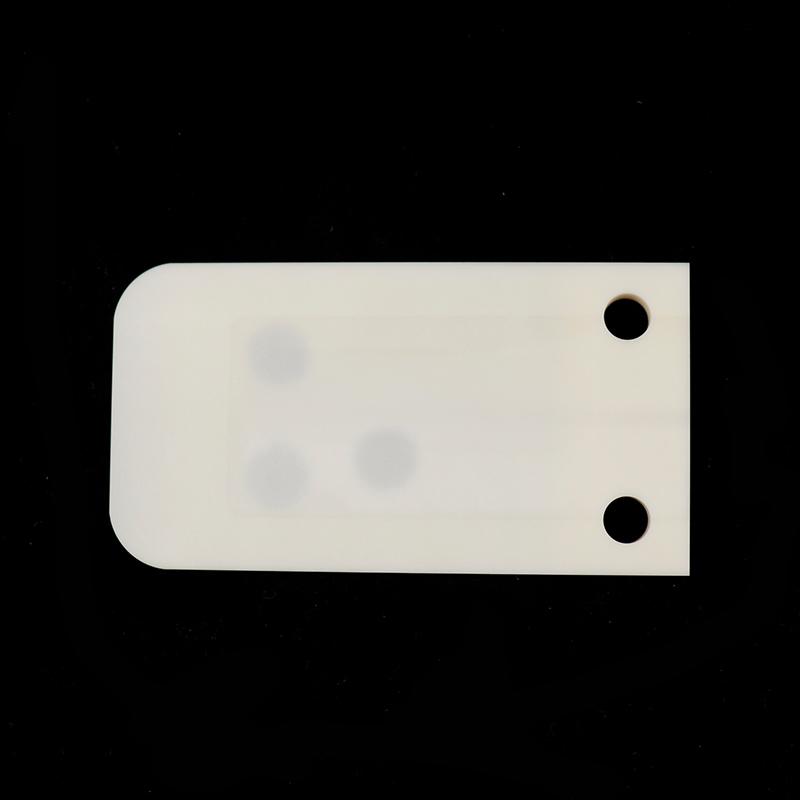
We understand that the reliability of medical devices hinges on every single ceramic component. Therefore, we support customization based on your drawings or samples and offer a wide range of specifications and dimensions to ensure the products perfectly match your application scenarios.
If you are seeking core component solutions that feature high wear resistance, no metal leaching, and long-term stable performance, please feel free to contact us at any time to receive a customized zirconia ceramic plate solution and a quote.
Brudeze Ceramics supplies and sells a wide range of high-quality quartz glass, including alumina ceramics, zirconia ceramics, silicon nitride ceramics, aluminum nitride ceramics, silicon carbide ceramics, boron carbide ceramics, bioceramics, machinable ceramics, etc. We can meet the customization requirements of various ceramic products.
Tags: boron carbide ceramics
PREVIOUS:Is silicon nitride ceramic widely used in the bearing industry
CATEGORIES
LATEST NEWS
- Can Zirconia Ceramic Plates...
- Is silicon nitride ceramic ...
- Which metals are suitable f...
- Can you customize silicon n...
- Can zirconia ceramic rods b...
- What Is the Minimum Toleran...
- Can Holes or Grooves Be Dri...
- How to Determine the Insula...
- What is the maximum operati...
- The antioxidant capacity of...