
Which metals are suitable for melting in alumina ceramic crucibles
Aluminum oxide ceramic crucible (corundum crucible) is a high-temperature resistant container mainly composed of high-purity aluminum oxide (Al ₂ O3), with extremely high melting point and chemical inertness. It is widely used in laboratory analysis, special alloy melting, photovoltaic equipment and other fields. It can withstand high temperature environments above 1600 ℃ for a long time and is the core consumable to ensure the purity of high-temperature materials and process stability.
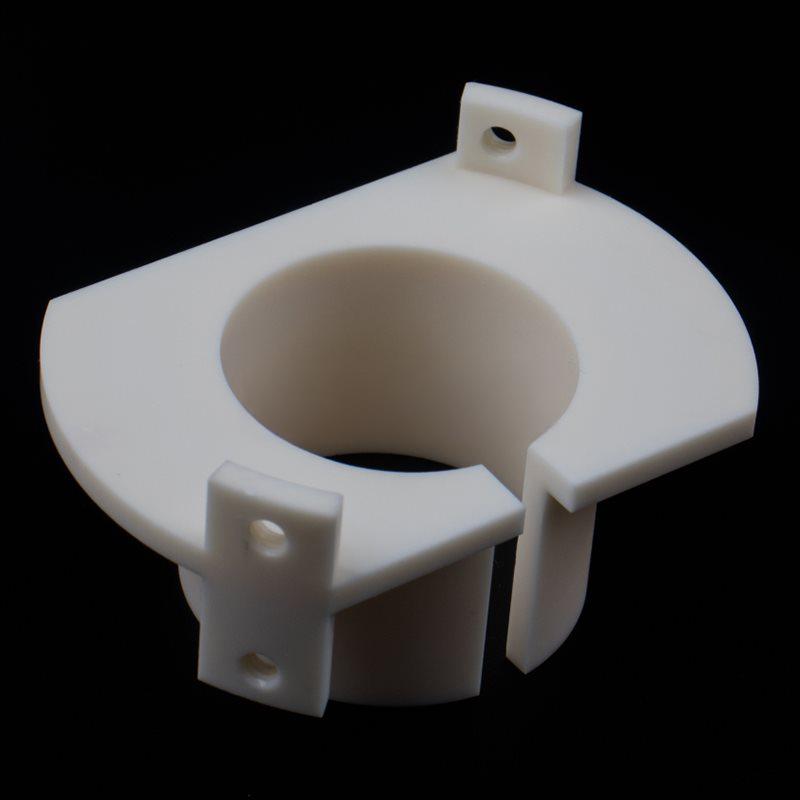
From the perspective of users, choosing high-quality alumina ceramic crucibles can solve the following core needs for you:
Ensuring material purity: During high-temperature melting, the crucible has excellent chemical stability and will not react with the melt, effectively avoiding impurity contamination.
Coping with extreme working conditions: Its excellent thermal shock resistance makes it less likely to explode in extreme environments of rapid cooling and heating, greatly reducing the consumption of consumables and safety risks in the production process.
Satisfy diversified processes: Whether it’s laboratory microanalysis or industrial grade batch melting, a wide range of specifications and customized services can accurately match your production needs.

Classification of metals suitable for melting in alumina ceramic crucibles
Based on the chemical properties and temperature resistance limit of alumina ceramic crucibles, they are highly suitable for melting the following types of metals and alloys:
- Precious metals and high-temperature alloys
Aluminum oxide crucibles exhibit strong corrosion resistance to various metal melts. It is often used for melting iron, cobalt, nickel based alloys, and various precious metals. During the melting process of these high-value materials, crucibles can effectively prevent the container material from penetrating into the alloy, ensuring the mechanical properties and purity of the final product. - Non ferrous metals and conventional alloys
For the melting of conventional non-ferrous metals such as copper alloys, alumina crucibles also perform well. Its dense structure and excellent thermal conductivity can ensure uniform heating of the molten metal and improve melting efficiency. - Metal samples for laboratory analysis
In scientific research and quality inspection, alumina crucibles are often used as containers for burning solid materials, evaporating and concentrating solutions, or crystallizing, making them an ideal choice for analyzing various laboratory metal and non-metal samples.
【 Special Attention: Melting Challenges of Highly Active Metals 】
Although alumina crucibles are widely used, they still face severe challenges when facing highly active metals such as titanium (Ti) and titanium aluminum oxide (TiAl). Due to their highly reactive nature in the molten state, these alloys are prone to react with alumina and contaminate the alloy. For such special processes, it is usually necessary to use customized crucibles with special surface coatings (such as calcium aluminate coatings), or to use higher-level inert materials such as yttrium oxide.
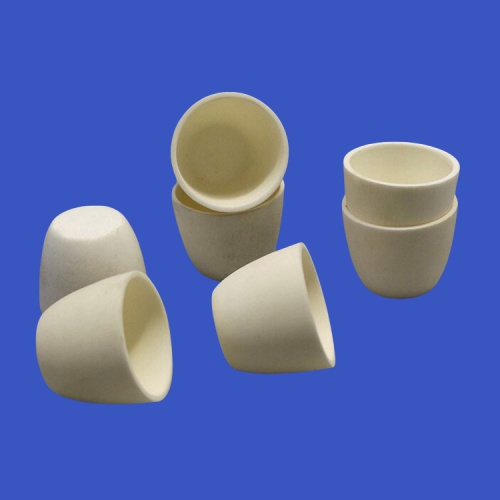
Core advantages and application value
Excellent high temperature resistance: The melting point of alumina is as high as 2050 ℃, and conventional products can work stably at 1600 ℃ for a long time. The short-term use temperature can reach 1800 ℃, making it easy to handle various high-temperature melting tasks.
Excellent chemical inertness: It has strong corrosion resistance to acidic environments and various metal melts, ensuring the purity of the melting process.
Excellent thermal shock resistance: After precise high-temperature sintering process, the product has high density and dense structure, and is not easy to explode in alternating cold and hot environments, with a long service life.
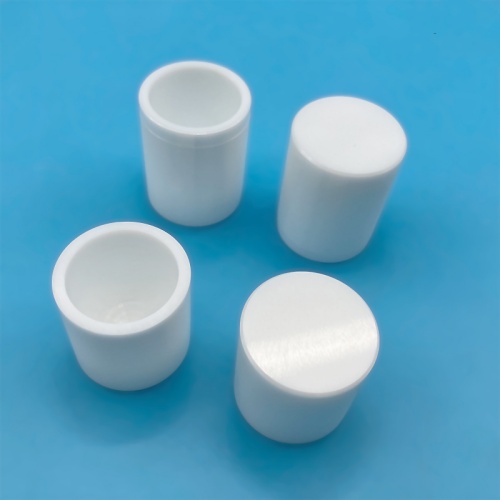
Rich specifications and professional customization services
In order to meet the refined needs of users in different industries, we provide comprehensive specification support:
Conventional standard specifications: covering capacities ranging from 10ml, 50ml, and 100ml for small laboratories to 500ml, 1000ml, and above for industrial grade melting.
Diversified shapes: available in various standard shapes such as arc, cylindrical (straight), square, rectangular (ark), etc.
Deep customization service: supports non-standard and irregular customization. Whether you need special wall thickness, specific outer diameter and height ratios, or shaped structures for specific melting processes, we can customize the mold according to your drawings or specific parameters.
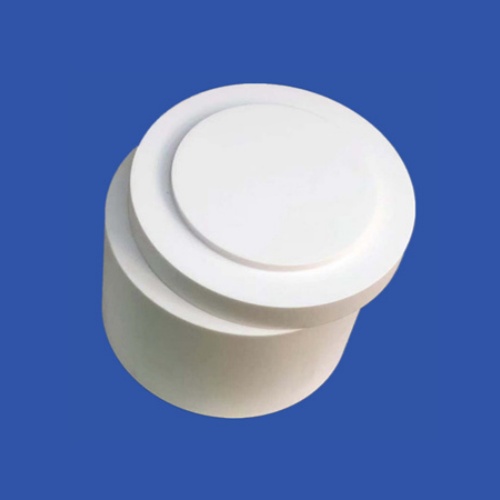
If you are looking for a reliable supplier of alumina ceramic crucibles or have special requirements for customized melting containers, please feel free to contact us at any time for exclusive product solutions and the latest quotes!
Brudeze Ceramics supplies and sells a wide range of high-quality quartz glass, including alumina ceramics, zirconia ceramics, silicon nitride ceramics, aluminum nitride ceramics, silicon carbide ceramics, boron carbide ceramics, bioceramics, machinable ceramics, etc. We can meet the customization requirements of various ceramic products.
Tags: boron carbide ceramics
PREVIOUS:Can you customize silicon nitride ceramic parts with non-standard dimensions
CATEGORIES
LATEST NEWS
- Which metals are suitable f...
- Can you customize silicon n...
- Can zirconia ceramic rods b...
- What Is the Minimum Toleran...
- Can Holes or Grooves Be Dri...
- How to Determine the Insula...
- What is the maximum operati...
- The antioxidant capacity of...
- What is the thermal shock r...
- What is the flexural streng...