
How to Determine the Insulation Performance Parameters of Aluminum Nitride Ceramics
The key to determining the insulation performance parameters of aluminum nitride ceramics lies in accurately assessing critical indicators such as volume resistivity, dielectric strength, and dielectric loss. High-purity aluminum nitride ceramics typically have a volume resistivity greater than 10¹⁴ Ω·cm, a dielectric strength exceeding 15 kV/mm, and extremely low dielectric loss at a frequency of 1 MHz. Only through a scientific testing system and authoritative data can one accurately determine whether they meet the insulation requirements for demanding operating conditions such as high voltage and high frequency.
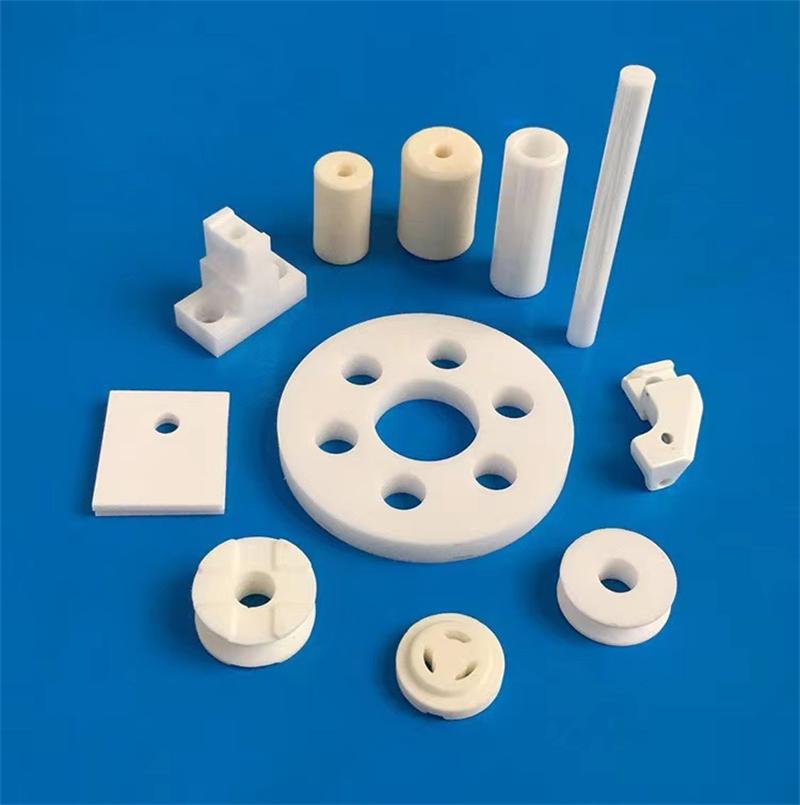
How It Solves Your Core Challenges
In the fields of semiconductor manufacturing, power electronics, and microwave communications, the conflict between material heat dissipation and insulation is becoming increasingly prominent as power density continues to rise. With a coefficient of thermal expansion that matches that of silicon and a thermal conductivity as high as 170–230 W/(m·K), aluminum nitride ceramics can effectively address performance degradation in high-power devices caused by heat accumulation. At the same time, its outstanding dielectric strength (breakdown voltage > 15 kV/mm) and extremely high volume resistivity (> 10¹⁴ Ω·cm) provide a robust barrier for electrical isolation in high-voltage applications, helping engineers overcome system stability challenges caused by excessive dielectric loss or insufficient voltage withstand capability.
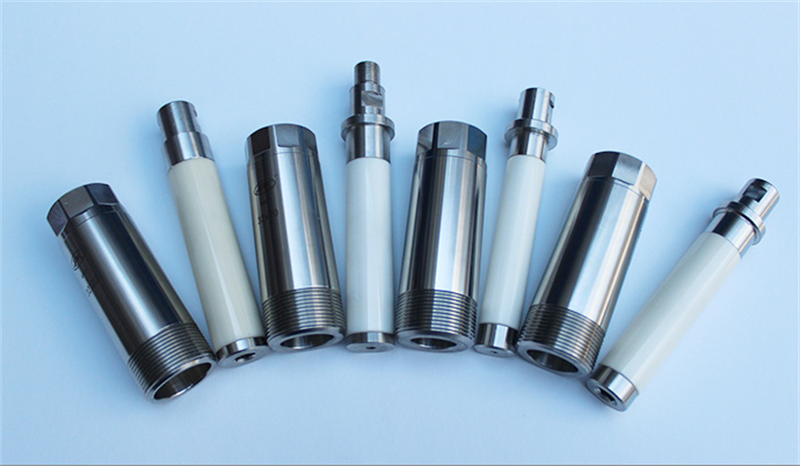
Analysis of Key Insulation Performance Parameters
When evaluating the insulation performance of aluminum nitride ceramics, the following core metrics require particular attention:
Breakdown Voltage (Dielectric Strength): This is a direct measure of a material’s ability to resist electrical breakdown. High-quality aluminum nitride ceramics typically have a breakdown voltage exceeding 15 kV/mm. A higher value indicates the ability to withstand higher operating voltages at the same thickness, which is critical for applications such as IGBT modules and high-voltage power supplies.
Volume Resistivity: This reflects the material’s insulation resistance characteristics under a DC electric field. The volume resistivity of aluminum nitride ceramics typically remains at or above 10¹³–10¹⁴ Ω·cm at room temperature, ensuring extremely low leakage current under high-voltage bias and effectively preventing circuit malfunctions or increased energy consumption caused by leakage.
Dielectric Constant and Dielectric Loss: In high-frequency or high-speed signal transmission scenarios, the dielectric constant (~8.5–9.9 @ 1 MHz) and the tangent of dielectric loss (<0.0005) determine signal integrity and transmission delay. Lower dielectric loss means the material generates less heat and experiences lower signal attenuation in the RF or microwave frequency bands.
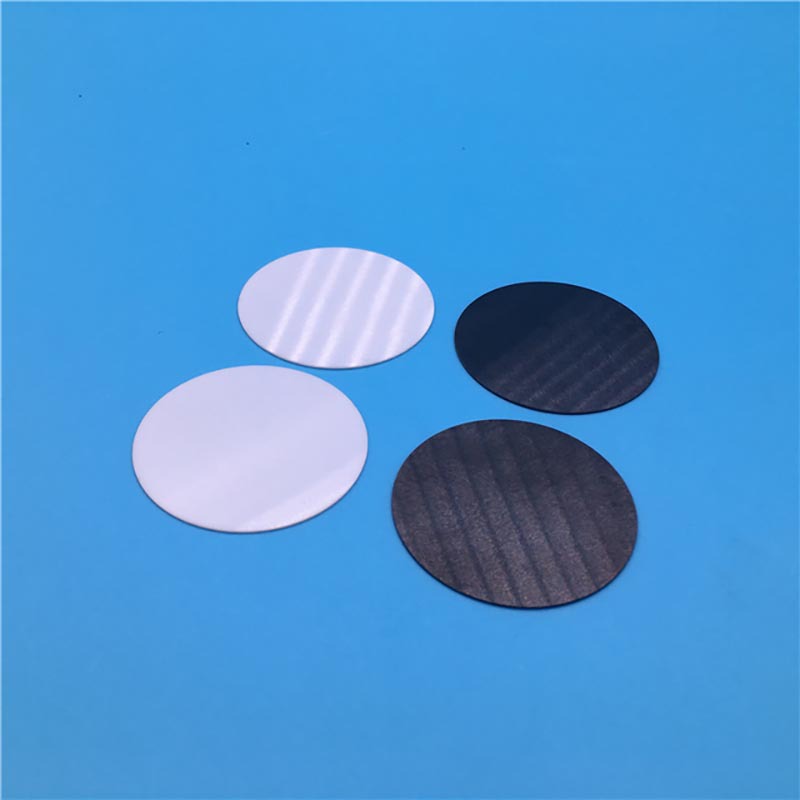
Applications and Key Advantages
Our products strictly comply with industry standards (such as JB/T 8736 and GB/T 25995) and can provide customized parameter solutions based on specific operating conditions.
Balance of High Thermal Conductivity and High Insulation: Without compromising insulation performance, we support custom thermal conductivity levels ranging from 170 W/(m·K) to 230 W/(m·K), meeting requirements from conventional heat dissipation to extreme thermal management scenarios.
Reliable Structural Strength: With flexural strength ranging from 300 to 450 MPa, high hardness, and corrosion resistance, our products ensure the mechanical integrity of the substrate during assembly and long-term operation.
End-to-End Customization Services: Leveraging our proven expertise in precision machining, we support comprehensive customization—from material formulations and dimensional specifications (e.g., thicknesses of 0.25–1.0 mm with tolerances controlled to ±0.02 mm) to surface finishes (Ra ≤ 0.4 μm). Whether it’s thick-film circuit substrates, thin-film metallized carriers, or custom-shaped structural components, we can machine them according to your drawings.
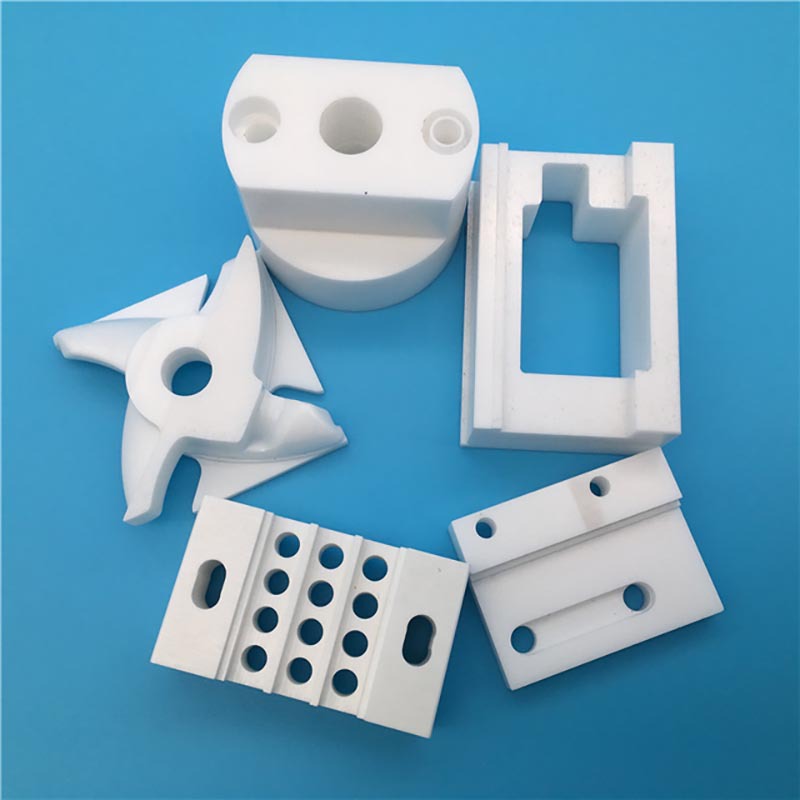
Application Scenario: High-Power-Density IGBT Modules
Challenge: A manufacturer of electric vehicle control systems faced dual challenges—excessively high internal junction temperatures and high-voltage insulation durability—while developing next-generation high-power-density IGBT modules. The thermal conductivity of conventional aluminum oxide (Al₂O₃) substrates was limited, resulting in insufficient heat dissipation and restricting the module’s maximum power output. Additionally, operating at an 800V high-voltage platform imposed more stringent requirements on the long-term insulation reliability of the substrates.
Solution and Results: Our company’s custom high-thermal-conductivity aluminum nitride (AlN) ceramic substrate (thermal conductivity ≥ 200 W/(m·K), breakdown voltage > 17 kV/mm) was adopted. Field testing confirmed that the module’s thermal resistance was reduced by approximately 40%, and the junction temperature dropped by more than 20°C under equivalent operating conditions, successfully unlocking the module’s power potential. Furthermore, during high-temperature reverse bias (HTRB) testing, the substrate’s insulation resistance remained stable, with no breakdown or excessive leakage current observed. This customized solution not only resolved the design bottleneck but also helped the customer increase the module’s power density by 30% and successfully pass automotive-grade reliability verification.
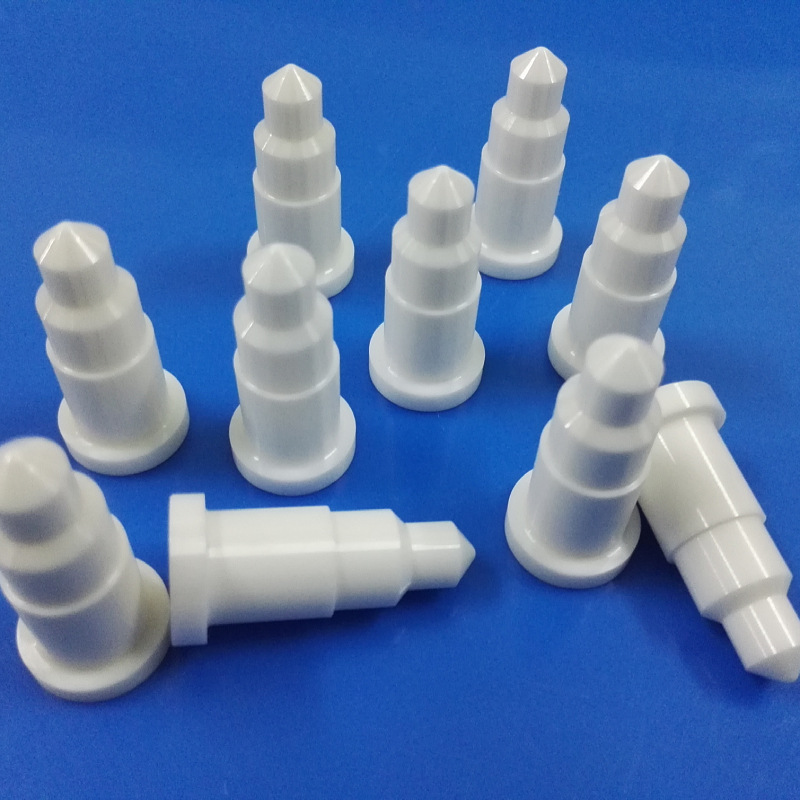
From material selection and parameter verification to precision machining, we are committed to providing you with the most suitable specialty ceramic solutions. If you have custom procurement needs for aluminum nitride ceramics or other quartz products, please feel free to contact us at any time to receive a tailored technical proposal and quote.
Brudeze Ceramics supplies and sells a wide range of high-quality quartz glass, including alumina ceramics, zirconia ceramics, silicon nitride ceramics, aluminum nitride ceramics, silicon carbide ceramics, boron carbide ceramics, bioceramics, machinable ceramics, etc. We can meet the customization requirements of various ceramic products.
Tags: boron carbide ceramics
PREVIOUS:What is the maximum operating temperature of zirconia ceramic crucible
CATEGORIES
LATEST NEWS
- How to Determine the Insula...
- What is the maximum operati...
- The antioxidant capacity of...
- What is the thermal shock r...
- What is the flexural streng...
- What are the advantages of ...
- What is the thermal conduct...
- Application differences bet...
- Which is more wear-resistan...
- Are microcrystalline cerami...