
What is the maximum operating temperature of zirconia ceramic crucible
Zirconia ceramic crucibles are highly favored in extreme industrial environments due to their excellent high-temperature resistance. Under normal circumstances, its maximum continuous use temperature can reach 2200 ℃, and the ultimate melting point of its material is as high as about 2700 ℃. By adding stabilizers such as yttrium oxide or magnesium oxide, zirconia crucibles can maintain structural stability at ultra-high temperatures, making them an ideal refractory container for melting precious metals, high-temperature alloys, and precision laboratory analysis.
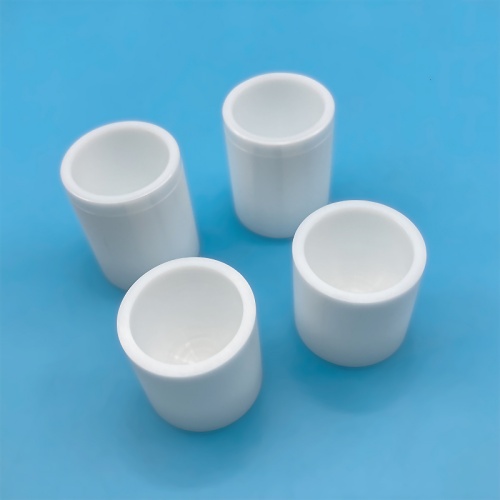
Faced with the challenges of extreme high temperatures and strong corrosive environments, users often face difficulties such as material breakage, molten contamination, or short service life when choosing high-temperature containers. Zirconia ceramic crucibles are designed to meet these core requirements. It not only maintains excellent thermal shock stability under harsh conditions from 1900 ℃ to 2200 ℃, avoiding cracking caused by rapid cooling and heating, but also has extremely high chemical inertness, ensuring that precious metals and high-purity materials are not contaminated by impurities during the melting process, thereby significantly reducing the cost of consumable replacement and downtime risk for enterprises.
Core advantages and application value
As a key consumable in the field of advanced ceramics, zirconia ceramic crucibles have demonstrated irreplaceable value in solving high-temperature process problems:
Ultimate temperature resistance and thermal shock resistance: Using high-purity zirconia (ZrO ₂) combined with phase transformation toughening mechanism, the crucible can withstand severe temperature fluctuations from room temperature to 2200 ℃. This self-healing mechanism effectively prevents crack propagation and solves the problem of traditional refractory materials being prone to cracking during rapid temperature cycling.
Excellent chemical inertness and purity: Zirconia exhibits strong corrosion resistance to molten precious metals such as platinum, palladium, gold, silver, and various acidic and alkaline slag at temperatures above 1900 ℃. Its extremely low porosity (≤ 0.1%) and non wetting properties ensure the absolute purity of the melt and prevent impurities from precipitating from the crucible material into the sample.
Excellent insulation and energy-saving effect: Zirconia has extremely low thermal conductivity (2-3 W/m · K), and its insulation performance is several times that of traditional materials. This not only reduces the heat loss of the furnace body, but also maintains more precise temperature control, directly reducing the operational energy consumption of high-temperature processes for users.
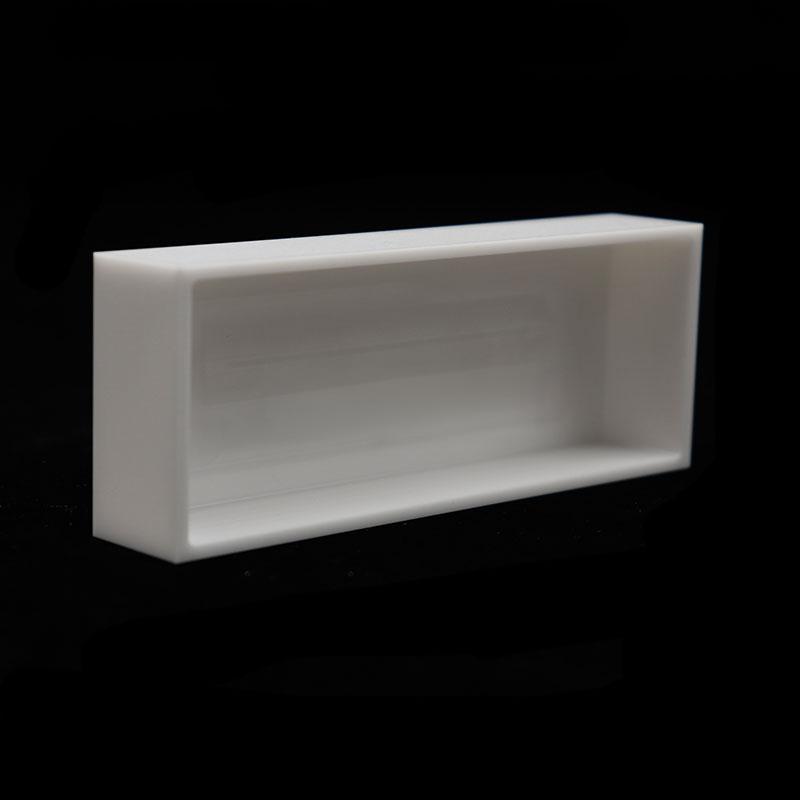
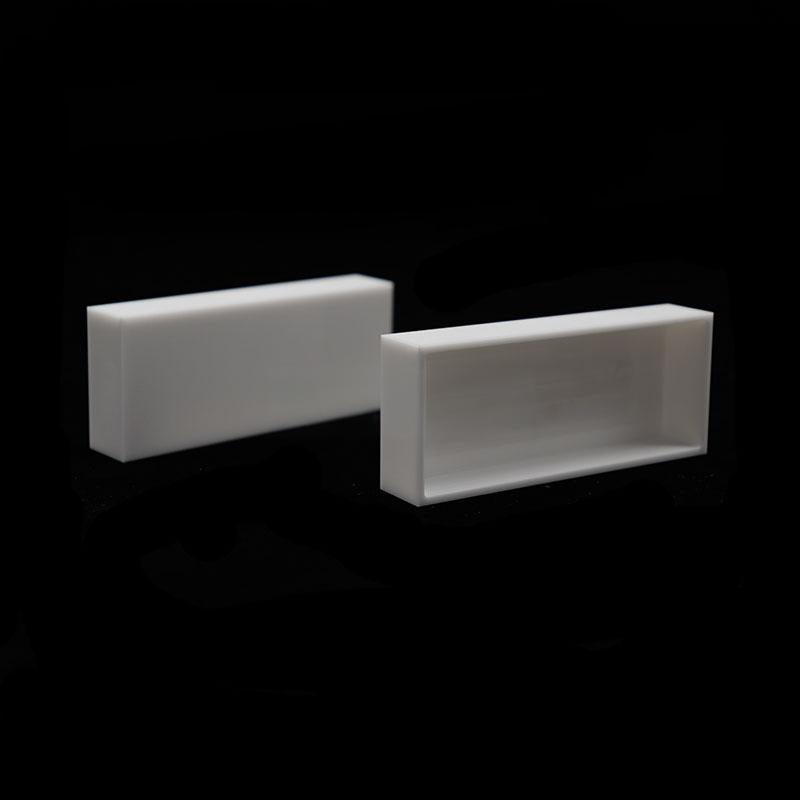
Comprehensive specification customization service: To meet the personalized needs of different industrial and scientific research scenarios, we offer standard cylindrical, boat shaped, and covered crucibles with capacities ranging from 10 milliliters to 500 milliliters or even larger. At the same time, we support customized non-standard shapes based on customer drawings, including special wall thickness, taper, and precision fitting cover design, to ensure perfect compatibility with various induction furnaces, resistance furnaces, and vacuum melting equipment.
Typical application scenarios and industry challenges to be solved
Zirconia ceramic crucibles are widely used in fields such as aerospace, precision casting, precious metal extraction, and high-end material analysis. In these scenarios, it successfully solved the following application challenges:
Melting of precious metals and high-temperature alloys: solves the problem of purity reduction caused by the reaction of active metals with containers at high temperatures, ensuring impurity free melting of aerospace grade superalloys.
High precision laboratory analysis: In XRF, ICP-OES, and thermogravimetric analysis (TGA), the challenge of traditional crucibles being easily corroded under strong alkaline fluxes and affecting the accuracy of detection data has been overcome.
Preparation of special glass and optical materials: Resistant to strong chemical corrosion from molten glass above 1900 ℃, ensuring the transparency and compositional uniformity of optical glass.

Customer application case:
Background: A precious metal refining enterprise has been using quartz crucibles to melt high-purity platinum for a long time, but faces two main problems: first, quartz softens at high temperatures, causing crucible deformation with a loss rate of up to 15%; Secondly, the impurities peeled off from the inner wall of the crucible affect the purity of the platinum ingot.
Solution: The enterprise will switch to our customized arc-shaped zirconia crucible (capacity 500ml, optimized wall thickness to 3mm).
Result: Under the melting environment of 2200 ℃, the zirconia crucible maintained excellent structural rigidity and did not undergo any corrosion reaction. After a production cycle verification, the impurity content of platinum has been reduced by about 20%, and the average service life of the crucible has been increased from the original 5 heats to over 50 heats, significantly reducing the overall operating costs.
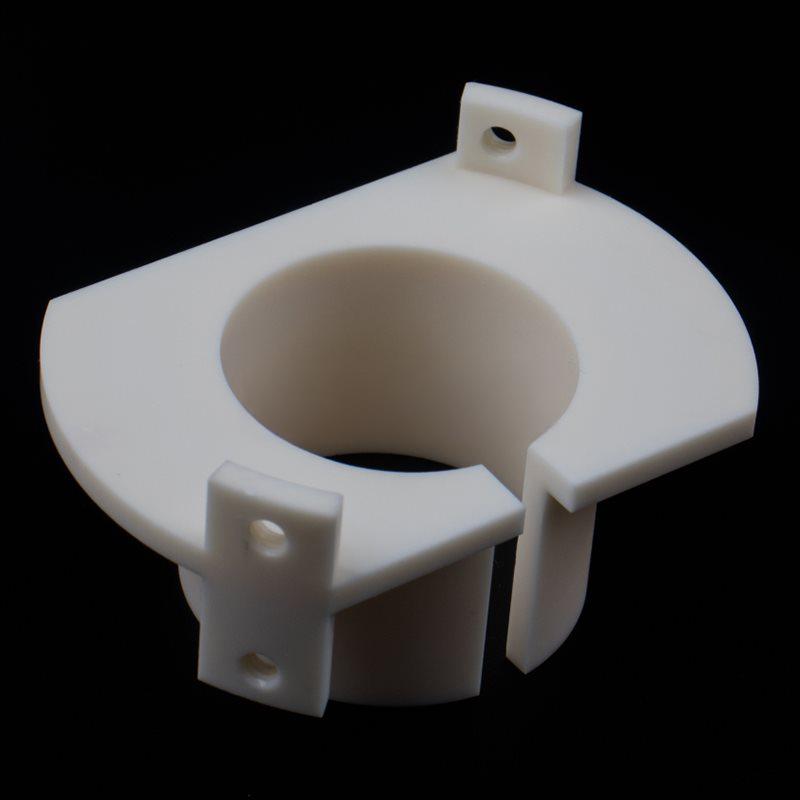
If you are facing the challenge of selecting material containers in extremely high temperature environments, or need to customize exclusive zirconia ceramic crucibles for specific processes, please feel free to contact us at any time.
Brudeze Ceramics supplies and sells a wide range of high-quality quartz glass, including alumina ceramics, zirconia ceramics, silicon nitride ceramics, aluminum nitride ceramics, silicon carbide ceramics, boron carbide ceramics, bioceramics, machinable ceramics, etc. We can meet the customization requirements of various ceramic products.
Tags: boron carbide ceramics
PREVIOUS:The antioxidant capacity of silicon carbide ceramics at high temperatures
CATEGORIES
LATEST NEWS
- What is the maximum operati...
- The antioxidant capacity of...
- What is the thermal shock r...
- What is the flexural streng...
- What are the advantages of ...
- What is the thermal conduct...
- Application differences bet...
- Which is more wear-resistan...
- Are microcrystalline cerami...
- What is the difference betw...