
What Is the Minimum Tolerance That Can Be Achieved for Special Ceramic Products
The machining precision of special ceramic products directly determines their compatibility and reliability in high-end equipment. Currently, industry-leading precision machining technologies can control the dimensional tolerances of special ceramic products within an ultra-precise range of up to 0.005 millimeters (i.e., 5 micrometers), with some core components even achieving tolerances as tight as ±0.003 millimeters. This extremely high standard of precision ensures that ceramic parts fit perfectly under extreme operating conditions, meeting the stringent material performance requirements of industries such as aerospace, semiconductors, and precision medical devices.
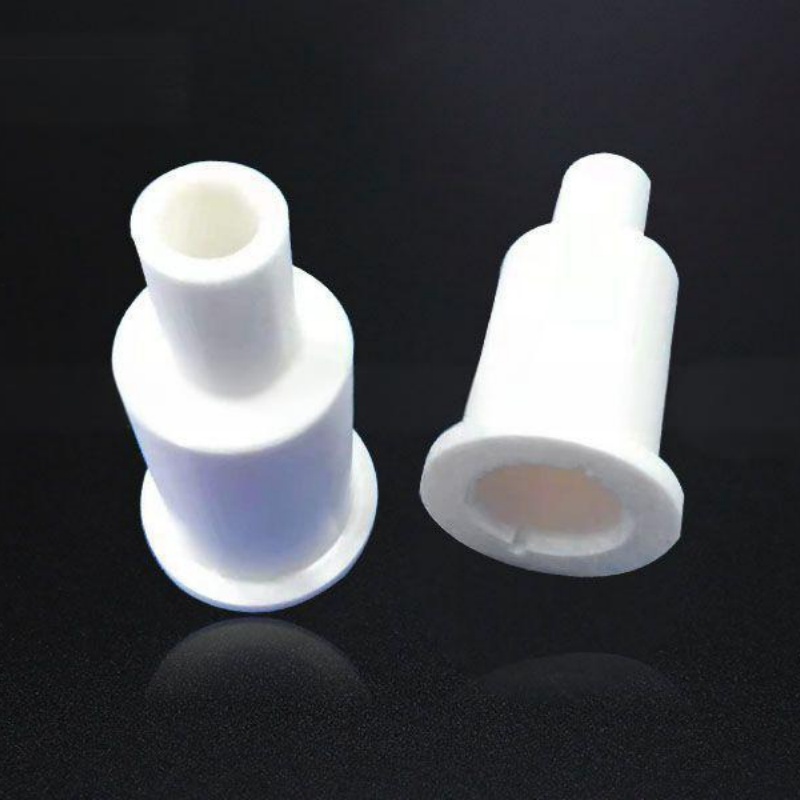
From the user’s perspective, the core value of the ultra-precision special ceramic products we provide lies in solving application challenges in high-end manufacturing—such as materials that are “not heat-resistant, prone to wear, or have poor insulation properties.” Whether addressing harsh operating conditions involving severe corrosion or extreme high temperatures, or meeting the micro-dimensional fit requirements of precision instruments, we can provide highly customized ceramic structural and functional components to help you extend product service life while achieving a leap forward in overall equipment performance.
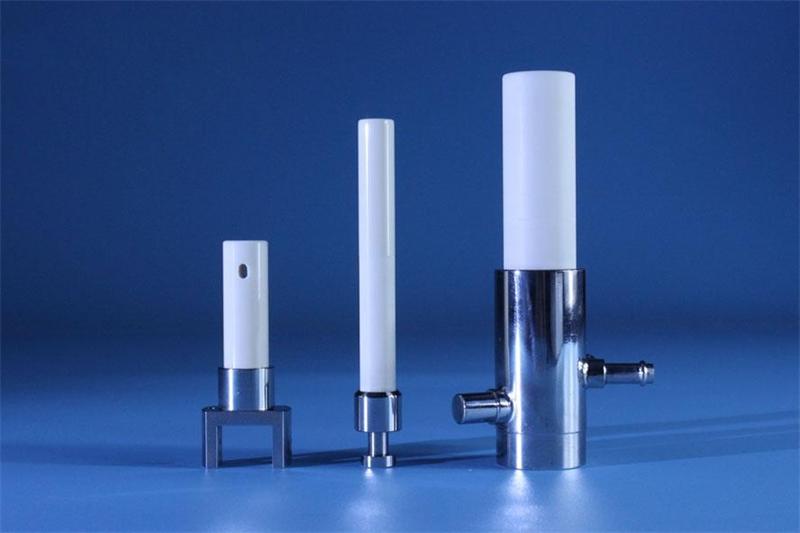
Tolerance Control and Core Advantages of Special Ceramic Products
In the field of precision manufacturing, special ceramics (advanced ceramics) have become an ideal alternative to traditional metallic materials due to their high hardness, high wear resistance, high-temperature resistance, and excellent electrical insulation properties. However, the inherent brittleness of ceramic materials makes their machining extremely challenging. Leveraging our full-industry-chain precision manufacturing capabilities, we provide you with the following core benefits:
- Unparalleled Tolerance Control and Precision Machining Capabilities
We are equipped with a wide range of CNC lathes, high-precision internal and external cylindrical grinders, and ceramic engraving machines. Combined with mature CNC technology and precision measurement systems, we achieve fine engraving and machining of ceramic materials.
Dimensional Tolerances: Part dimensional tolerances and fit tolerances can be controlled to as tight as 0.005 millimeters.
Geometric Tolerances: Machining accuracy for straightness, roundness, coaxiality, flatness, parallelism, and perpendicularity can all reach 0.005 millimeters.
Surface Finish: We master a variety of composite polishing processes, achieving a maximum surface finish of Ra 0.02. - Full-Range Customization Services
We go beyond the limitations of standard parts to provide comprehensive customization services for everything from micro-components to large structural parts:
Standard Large Parts: We support ceramic plates and structural parts with maximum dimensions of 2000 × 200 × 30 mm or 1000 × 400 × 30 mm.
Large Ceramic Rings: Lengths up to 2000 mm and diameters up to 400 mm.
Complex, Irregularly Shaped Parts: We support the custom production and precision machining of various complex, irregularly shaped blanks and shaft-type blanks. - Outstanding Material Performance Advantages
High-Temperature Resistance and Thermal Shock Resistance: For example, silicon nitride ceramics remain stable in a dry, oxidizing atmosphere at temperatures below 1400°C; some specialty ceramics can even withstand extreme temperature fluctuations ranging from 200°C to -10°C without fracturing.
High Hardness and Wear Resistance: Rockwell hardness (HRA) typically ranges from 83 to 90, while Vickers hardness can exceed 1,200, significantly extending the service life of equipment in highly abrasive environments.
Superior Physical and Chemical Properties: These materials offer exceptional resistance to acid, alkali, and salt corrosion, high electrical insulation, and good biocompatibility.
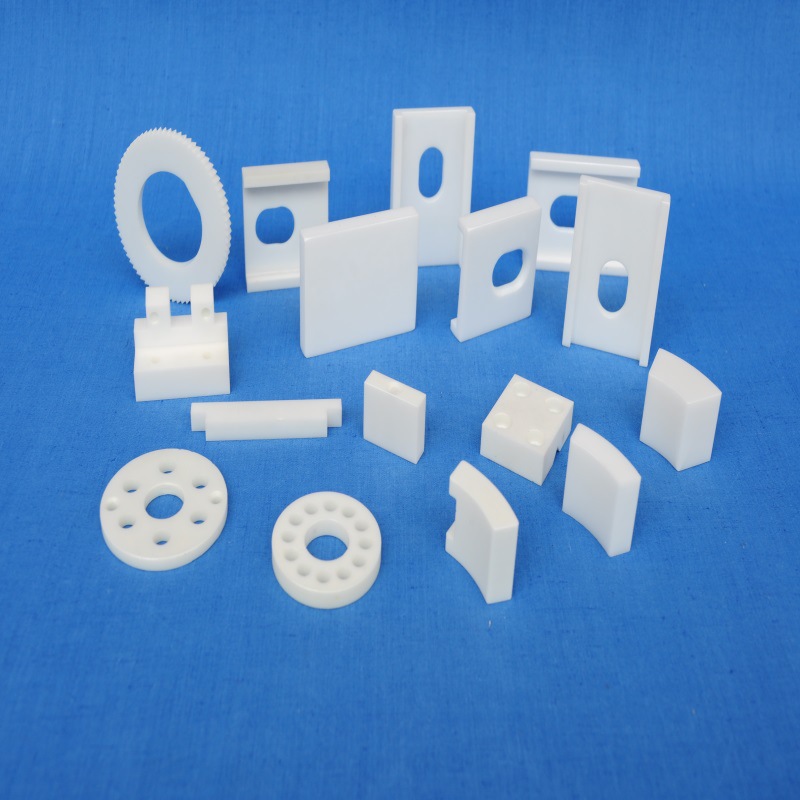
Overcoming Industry Challenges with Our Solutions
In many cutting-edge application fields, traditional materials often struggle to withstand the rigors of extreme environments. Special ceramics, however, have successfully addressed numerous industry challenges thanks to their unique physical and chemical properties:
Semiconductor and Photovoltaic Equipment: In processes such as etching and epitaxial growth, equipment must withstand high temperatures and severe corrosion. The high-purity silicon carbide and alumina ceramic components we provide are not only heat-resistant but also effectively prevent metal ion contamination, ensuring high chip yield.
Deep Space Exploration and Aerospace: Spacecraft face high-temperature airflow erosion reaching thousands of degrees Celsius during atmospheric reentry. We use ablation-resistant ceramics and ceramic matrix composites to provide spacecraft with a reliable “fireproof suit”; simultaneously, leveraging the extremely low thermal expansion coefficient of silicon carbide ceramics, we manufacture high-precision satellite mirrors (the “eyes of space”) that maintain nanometer-level surface accuracy even under severe turbulence.
Biomedical and Implants: To meet the needs of applications such as artificial joints and dental implants, we provide zirconia and porous bioceramics with excellent biocompatibility. Their three-dimensional network structure promotes bone ingrowth, enabling a strong bond with human tissue.
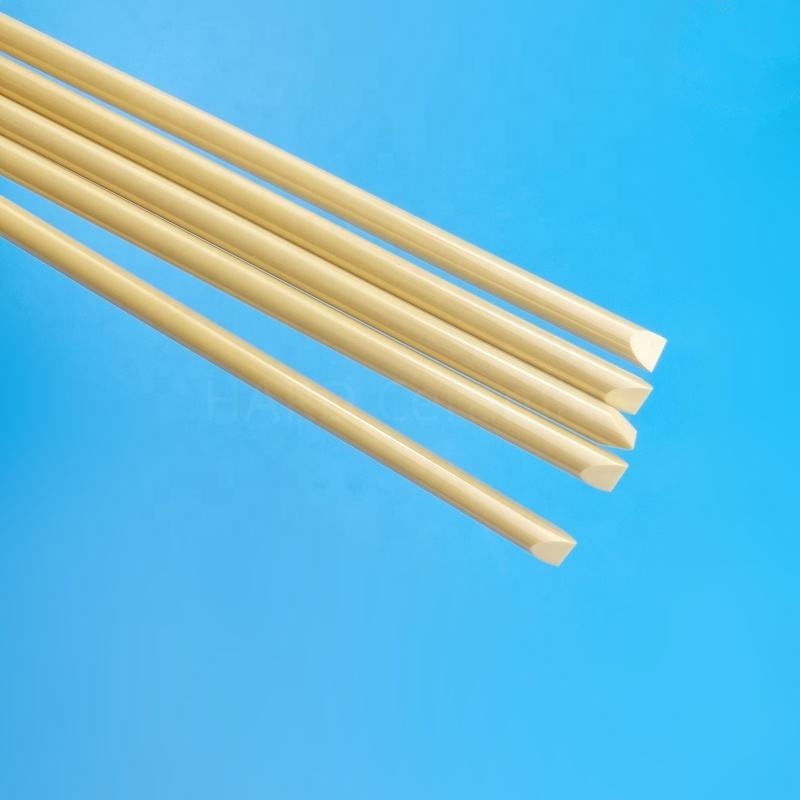
We are committed to maximizing the potential of advanced ceramic materials. Whether your needs involve standard specifications or highly complex custom parts, we provide professional engineering support to tailor cost-effective precision ceramic solutions for you. Contact us today to receive a customized proposal or submit your drawings for a quote!
Brudeze Ceramics supplies and sells a wide range of high-quality quartz glass, including alumina ceramics, zirconia ceramics, silicon nitride ceramics, aluminum nitride ceramics, silicon carbide ceramics, boron carbide ceramics, bioceramics, machinable ceramics, etc. We can meet the customization requirements of various ceramic products.
Tags: boron carbide ceramics
PREVIOUS:Can Holes or Grooves Be Drilled or Cut into Alumina Ceramic Tubes
CATEGORIES
LATEST NEWS
- What Is the Minimum Toleran...
- Can Holes or Grooves Be Dri...
- How to Determine the Insula...
- What is the maximum operati...
- The antioxidant capacity of...
- What is the thermal shock r...
- What is the flexural streng...
- What are the advantages of ...
- What is the thermal conduct...
- Application differences bet...