
Application of silicon nitride ceramics in the LED industry
Silicon nitride ceramics (Si ∝ N ₄) are becoming an indispensable core material for high-end LED lighting and display devices due to their excellent thermal conductivity, extremely high mechanical strength, and stable electrical insulation properties. From high-power LED heat dissipation substrates to Micro LED chip substrates, silicon nitride ceramics are solving the technical problem that traditional materials cannot balance “heat dissipation, reliability, and light efficiency”, promoting the continuous evolution of the LED industry towards high power density and miniaturization.
Product FAQ: What core issues can it solve for you?
Q: When I was developing high-power density LED modules, severe heat accumulation caused light decay and color drift. Traditional aluminum oxide substrates have insufficient heat dissipation capabilities. Can silicon nitride solve this problem?
A: Absolutely possible. The thermal conductivity of silicon nitride ceramics can reach 60-120 W/(m · K), much higher than the 24 W/(m · K) of aluminum oxide. At the same time, the thermal expansion coefficient (2.6 × 10 ⁻⁶/K) is perfectly matched with LED chips, which can significantly reduce thermal resistance, effectively suppress light decay and color drift.
Q: The automotive LEDs we produce need to work reliably for a long time in environments with severe vibration and thermal shock. The existing ceramic substrates are prone to cracking during thermal cycling testing. What should we do?
A: The bending strength of silicon nitride ceramics is over 600 MPa, and the fracture toughness is twice that of aluminum nitride and aluminum oxide. It can withstand extreme mechanical vibrations and temperature impacts, making it an ideal choice for automotive grade LED lighting.
Q: We are developing Micro LED microdisplays and require substrate materials with high light extraction efficiency. What are the unique advantages of silicon nitride?
A: Silicon nitride nanotube arrays have a visible light transmittance of up to 85% and unique optical guiding properties. Surface roughening can significantly improve the light extraction efficiency of LEDs. Research has confirmed that LEDs with silicon nitride nanotube structures can increase light output power by over 25% when injected with a current of 350 mA.
Core advantages of the product
The application of silicon nitride ceramics in the LED industry is based on their unique comprehensive properties:
- Ultra high thermal conductivity and low expansion matching: The thermal conductivity can reach 90-120 W/(m · K) (better than alumina), and the thermal expansion coefficient (2.6 × 10 ⁻⁶/K) is highly matched with the epitaxial layer of gallium nitride (GaN) LED, effectively suppressing chip cracking caused by thermal stress.
- Excellent mechanical reliability: flexural strength ≥ 600 MPa, fracture toughness of about 6 MPa · m ¹/², far superior to alumina and aluminum nitride, capable of withstanding harsh thermal cycling and mechanical vibration environments.
- Excellent optical properties: The high transparency silicon nitride film has a penetration rate of up to 85%, and the nanotube structure also has optical guiding properties, which can significantly improve the light output efficiency of LEDs.
- High temperature stability and insulation: Maintain extremely high dimensional stability and resistivity (>10 ¹⁴Ω· cm) in LED packaging and reflow soldering processes to ensure long-term reliability of the device.
Product specifications and customization
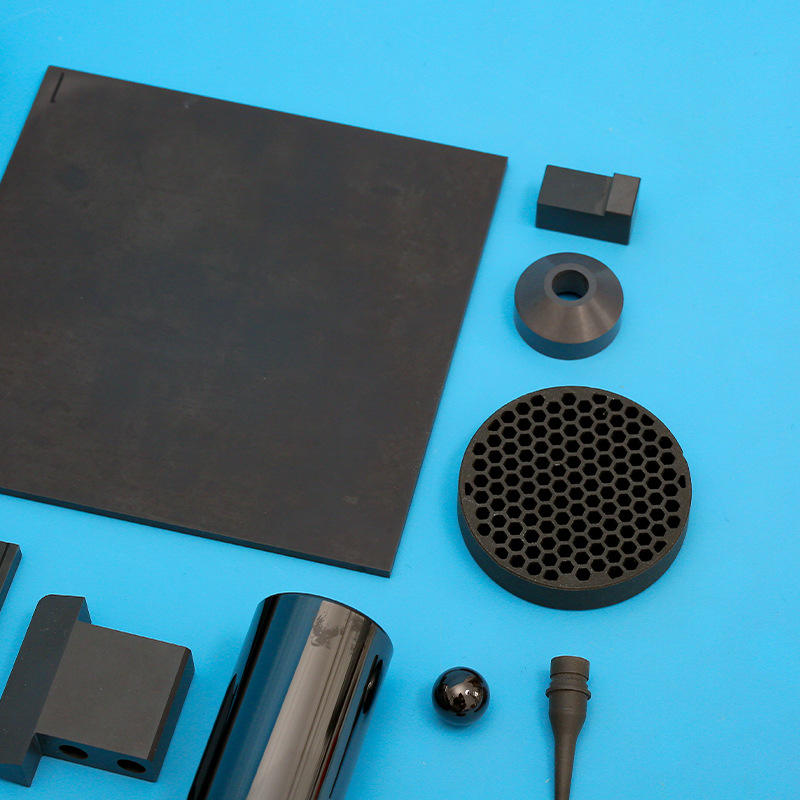
To meet the diverse application needs of the LED industry, we provide comprehensive specification selection and customization services:
-Standard specifications:
-Size: We can provide large-sized substrates up to 120mm x 120mm, with a thickness starting from 0.32mm
-Thermal conductivity: 85-95 W/(m · K) for conventional products, up to 120 W/(m · K) for high-end customization
-Surface condition: Provide bare chips and copper-clad (DBC) silicon nitride substrates
-Customization scope:
-Size customization: Circular, ring-shaped, and irregular substrates can be customized according to customer drawings
-Thickness customization: flexible adjustment within the range of 0.2mm-10mm
-Metalization customization: providing customized services for ceramic tube shells, laser heat sinks, and other metalized components
-Surface treatment: providing grinding, polishing, and surface nanostructure processing
Customer Application Cases
Case 1: A Global Leading LED Packaging Enterprise (High Power Lighting)
-Requirement: Customers face severe heat dissipation challenges when developing the next generation of 300W level LED modules for sports venue lighting. Traditional alumina substrates result in chip junction temperatures exceeding 125 ° C, severe light decay, and cannot meet the 50000 hour lifespan requirement.
-Solution: We have customized a high thermal conductivity silicon nitride ceramic substrate (thermal conductivity 95W/(m · K), size 120 × 120mm) for our customers, and provided mature copper-clad process support. The low expansion characteristics of silicon nitride are perfectly matched with LED chips, greatly reducing thermal interface stress.
-Final effect: The module junction temperature was successfully controlled below 85 ° C, the light efficiency was improved by about 15%, and the thermal cycle test (-40 ° C~125 ° C) passed 2000 times without failure. This product has been widely used in international top-level sports venue lighting projects, and the customer’s LED substrate business has successfully entered the global leading enterprise supply chain as a result.
Case 2: Micro LED research team from a well-known university (micro display technology)
-Requirement: The research team needs to address the lattice mismatch between the gallium nitride epitaxial layer and the silicon substrate when developing ultra-high resolution Micro LEDs for AR/VR, while also aiming to improve the light output efficiency of sub micron level pixels.
-Solution: We collaborated with them to develop a silicon nitride nanotube array structure with a diameter of only 100-200 nanometers based on the characteristics of silicon nitride materials, which was applied to the surface of silicon-based gallium nitride LEDs. This structure has a high transmittance of 85% and unique optical guiding properties.
-Final effect: Under an injection current of 350 mA, the LED using a silicon nitride nanotube array showed a 25.23% increase in light output power compared to conventional devices. This technology provides a new path for the development of high-performance multi-color Micro LED displays, and related achievements have been published in international academic journals.
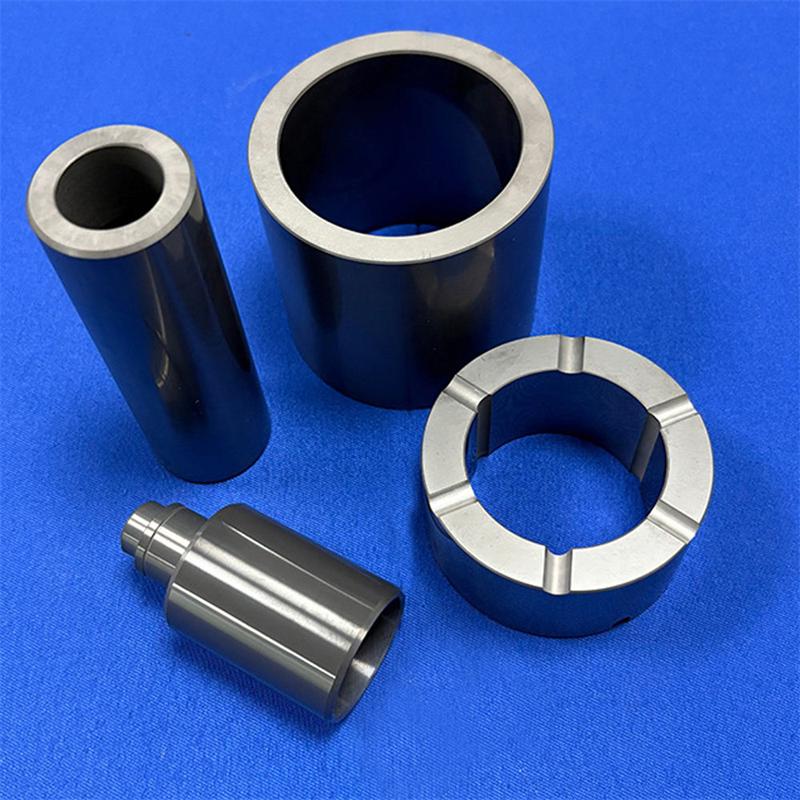
From high-power lighting to Micro LED displays, silicon nitride ceramics are redefining the performance boundaries of LED devices. If you are looking for LED packaging materials or technical solutions that can balance high thermal conductivity, high reliability, and high light efficiency, please feel free to contact our technical team to obtain samples or discuss your customization needs!
Brudeze Ceramics supplies and sells a wide range of high-quality quartz glass, including alumina ceramics, zirconia ceramics, silicon nitride ceramics, aluminum nitride ceramics, silicon carbide ceramics, boron carbide ceramics, bioceramics, machinable ceramics, etc. We can meet the customization requirements of various ceramic products.
Tags: boron carbide ceramics
PREVIOUS:Silicon nitride ceramics have lower thermal resistance
NEXT:Application of silicon nitride ceramics in the preparation of fine ceramics
CATEGORIES
LATEST NEWS
- Which is more wear-resistan...
- Are microcrystalline cerami...
- What is the difference betw...
- Compared to ordinary cerami...
- What are the main material ...
- Large sized microcrystallin...
- What is the maximum operati...
- Low dielectric constant mic...
- High hardness and wear-resi...
- Low expansion microcrystall...