
Zirconia ceramics sintered by electric field
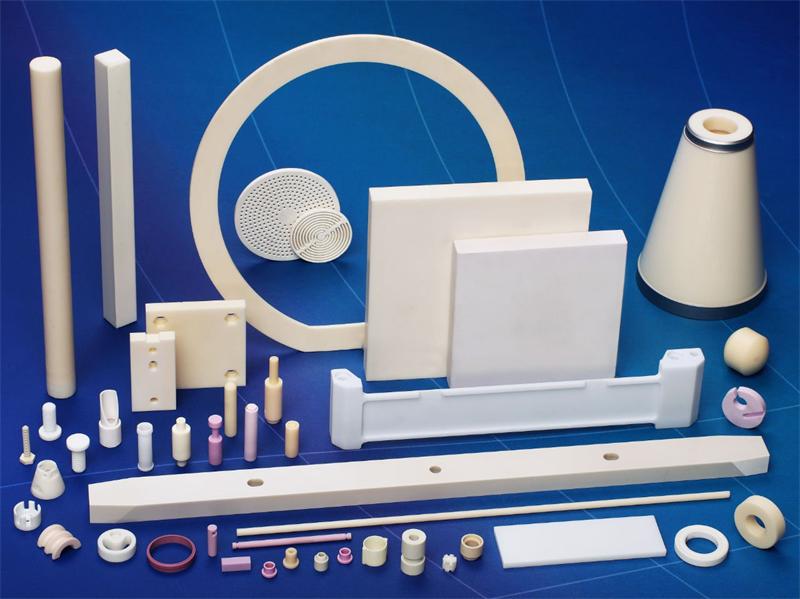
Zirconia ceramics sintered by electric field are high-performance ceramic materials prepared using direct current electric field assisted sintering technology. By applying an electric field during the sintering process, the sintering temperature can be significantly reduced, the sintering time can be shortened, and high densification and precise control of grain size can be achieved. This technology has broken through the energy consumption and efficiency bottlenecks of traditional sintering processes, opening up new paths for the application of zirconia ceramics in precision electronics, biomedicine, new energy and other fields.
FAQ: Core issues that users are most concerned about
Q1: What is the essential difference between electric field sintering and traditional sintering?
Traditional sintering relies on high-temperature and long-term heating, while electric field sintering activates the surface charge of ceramic particles through a direct current electric field, promotes atomic migration, and achieves second level densification of zirconia at 850-1025 ℃, reducing energy consumption to less than 10% of traditional processes.
Q2: What are the performance advantages of zirconia ceramics sintered by electric field?
High density: The relative density can reach over 99%, and the porosity is less than 0.5%;
Fine grained structure: grain size<1 μ m, significantly improving bending strength (≥ 1200MPa) and fracture toughness (≥ 8MPa · m ¹/²);
Functionalization: By regulating the crystal phase through an electric field, materials can be endowed with special properties such as piezoelectricity and ion conductivity.
Q3: Which industries have an urgent demand for electric field sintered zirconia ceramics?
Electronic components: high-frequency substrate, 5G filter, solid-state battery electrolyte;
Biomedical: artificial joints, dental implants, minimally invasive surgical instruments;
New energy: fuel cell separators, lithium-ion battery separators;
Precision manufacturing: ceramic bearings, optical lenses, semiconductor packaging.
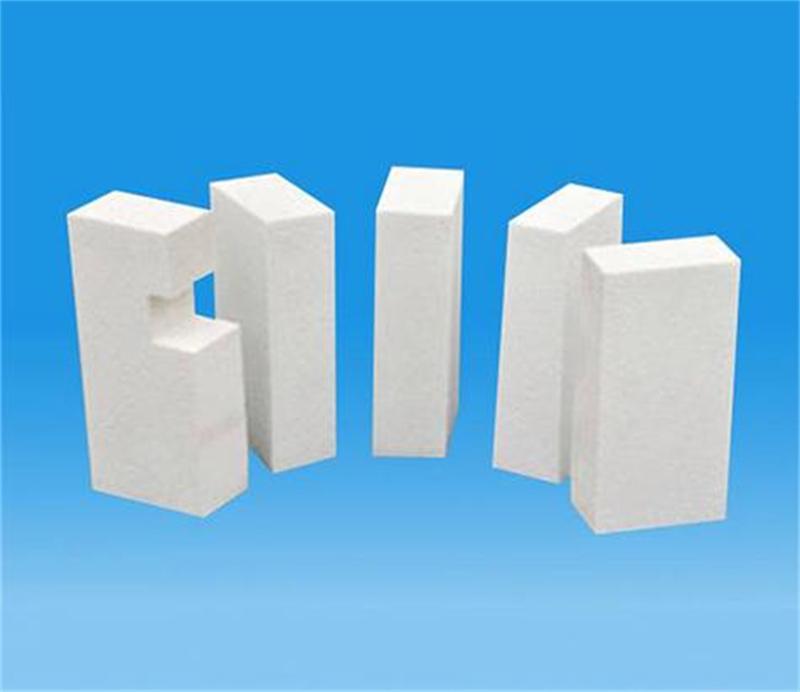
Electric field sintering zirconia ceramics accurately solve three major problems for users:
Contradiction between cost and efficiency: Traditional sintering cycles take more than 10 hours, while electric field sintering only takes a few seconds, reducing energy consumption by 90% and significantly shortening production cycles;
Balance between performance and accuracy: Fine grain structure eliminates the problem of abnormal grain growth in traditional processes, meeting high-precision machining requirements (surface roughness Ra ≤ 0.008 μ m);
Functional customization: By adjusting the crystal phase composition through electric field parameters, special functions such as piezoelectric, ferroelectric, and ion conductivity can be customized to adapt to diverse application scenarios.
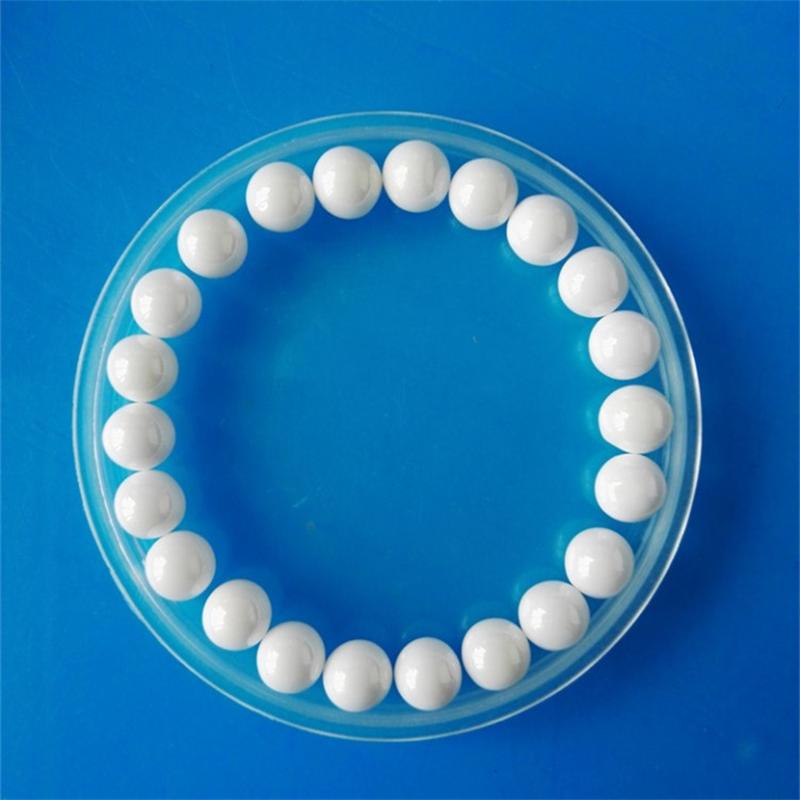
We offer full-size customized solutions:
Standard size: 5mm × 5mm to 1000mm × 1000mm board, thickness 0.1-50mm;
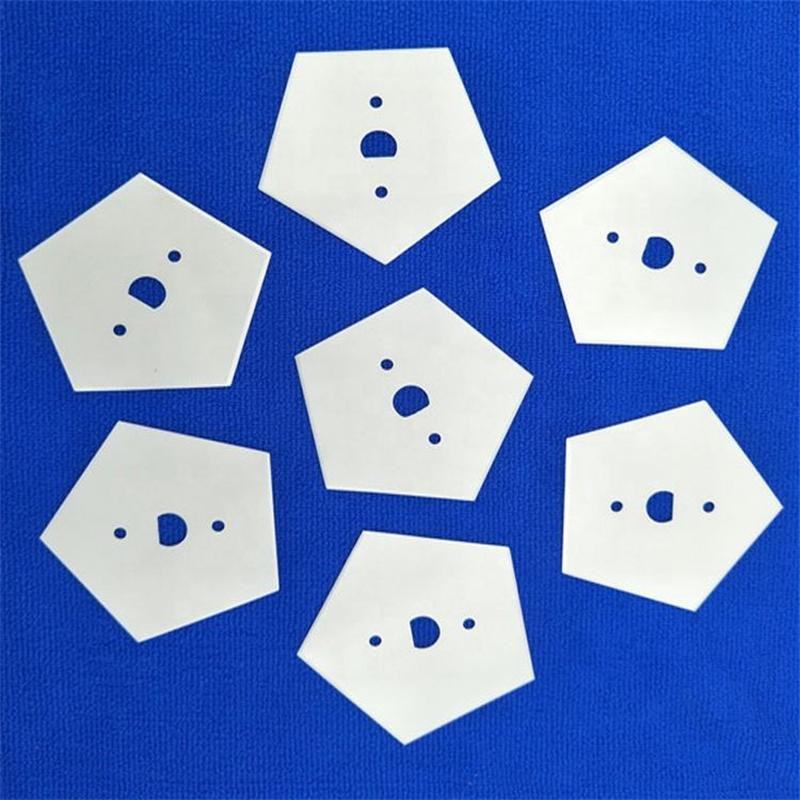
Processing of irregular parts: supports CNC precision milling, laser cutting, mirror polishing, with a tolerance of ± 0.01mm;
Function customization: Adjust the content of Y ₂ O ∝ stabilizer (3-8mol%) according to requirements to achieve the control of tetragonal/cubic phase ratio;
Application scenarios and case studies
Case 1: Joint transmission rod of a surgical robot
Requirement: Replace imported silicon nitride ceramics, requiring a diameter of 2mm, bending strength ≥ 1000MPa, and friction coefficient ≤ 0.02.
Solution: Adopting electric field sintering of Y-TZP ceramics, optimizing the electric field strength (50V/cm) and sintering pressure (10MPa) to achieve a grain size of 0.8 μ m, and reducing the friction coefficient to 0.015 after surface coating with diamond-like carbon (DLC) film.
Result: With a lifespan of over 100000 operations, a positioning accuracy of ≤ 0.02mm, and a cost reduction of 60%.
Case 2: Electrolyte for Solid State Batteries in a New Energy Enterprise
Requirement: Prepare Li ₇ La ∝ Zr ₂ O ₁₂ (LLZO) solid electrolyte, requiring ion conductivity ≥ 10 ⁻ S/cm and density ≥ 98%.
Solution: Using electric field assisted sintering technology, sintering was carried out at 1150 ℃ and 8MPa pressure for 6 minutes, resulting in a green body thickness of 6.3mm and obtaining cubic LLZO with an ion conductivity of 1.2 × 10 ⁻ ³ S/cm.
Result: The battery cycle life has been increased by three times, and the energy density has exceeded 400Wh/kg.
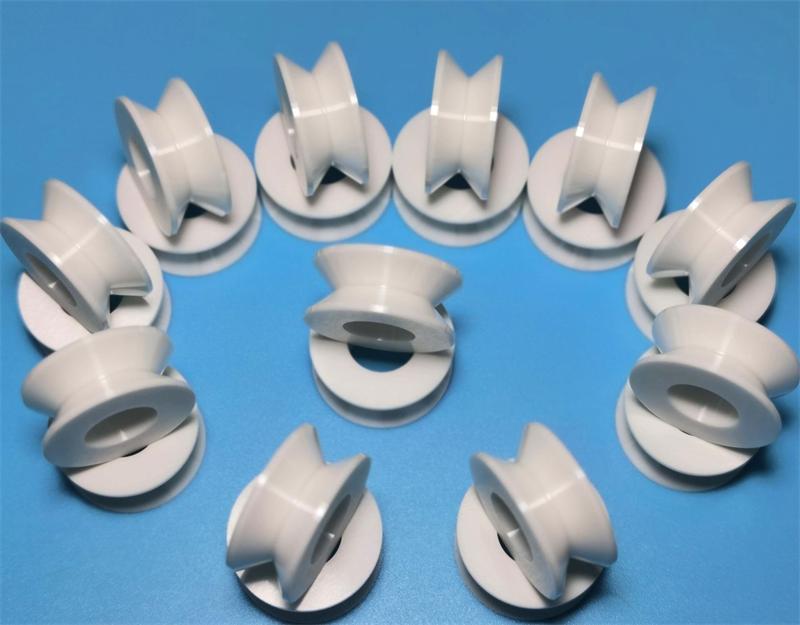
Whether it’s prototype development or mass production, our technical team will provide you with full chain support from material design to process optimization. Click to consult for free samples and exclusive quotes!
Brudeze Ceramics supplies and sells a wide range of high-quality quartz glass, including alumina ceramics, zirconia ceramics, silicon nitride ceramics, aluminum nitride ceramics, silicon carbide ceramics, boron carbide ceramics, bioceramics, machinable ceramics, etc. We can meet the customization requirements of various ceramic products.
Tags: boron carbide ceramics
PREVIOUS:Silicon nitride ceramics with good heat dissipation performance
CATEGORIES
LATEST NEWS
- Which is more wear-resistan...
- Are microcrystalline cerami...
- What is the difference betw...
- Compared to ordinary cerami...
- What are the main material ...
- Large sized microcrystallin...
- What is the maximum operati...
- Low dielectric constant mic...
- High hardness and wear-resi...
- Low expansion microcrystall...