
What are the applications of zirconia ceramics in the high-temperature field
Zirconia Ceramics, known as “ceramic steel”, has become an indispensable key material in modern high-temperature industry due to its excellent high temperature resistance (melting point up to 2700 ℃), extremely low thermal conductivity (only 1/5 of high-temperature alloys), and unique phase transformation toughening mechanism. From thermal barrier coatings for aircraft engines to core electrolytes for solid oxide fuel cells, zirconia ceramics not only solve the problems of softening, oxidation, and failure of metal materials at extreme high temperatures, but also provide a solid material science foundation for efficiency breakthroughs in energy, metallurgy, and aerospace fields. This article will deeply analyze the multidimensional application scenarios and core values of zirconia ceramics under high temperature conditions.
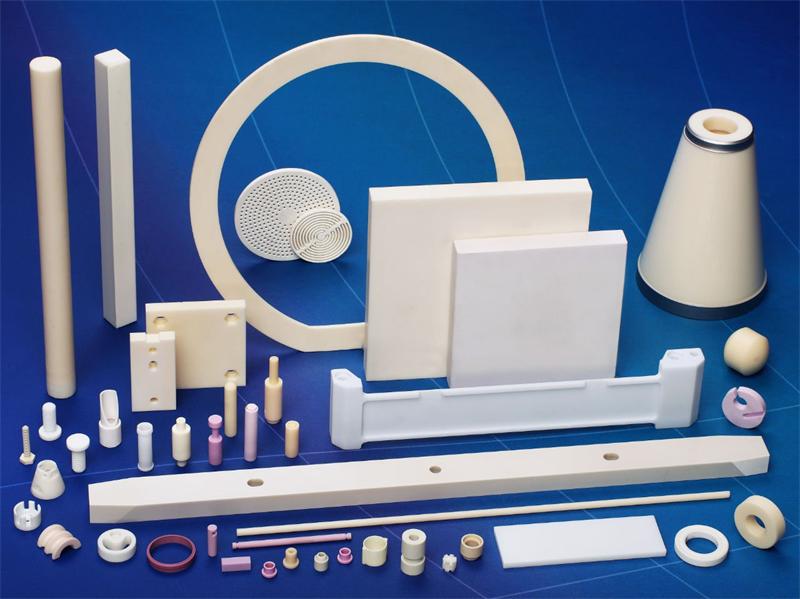
Q: What is the maximum temperature that zirconia ceramics can withstand?
Answer: The melting point of zirconia (ZrO ₂) is as high as 2700 ℃. In practical engineering applications, dense zirconia structural components can typically maintain stable operation in environments ranging from 1600 ℃ to 2300 ℃. The fused zirconia bricks designed with special formulas can even serve as lining materials for ultra-high temperature furnaces above 2300 ℃ for a long time, which is beyond the reach of most metal materials and traditional refractory materials.
Q: Does zirconia ceramic conduct electricity at high temperatures?
Answer: This is a very unique feature. Zirconia is an excellent insulator at room temperature, but at high temperatures (usually above 600 ℃), it exhibits significant ion conductivity (oxygen ion conductivity). This characteristic makes it a core material for manufacturing high-temperature oxygen sensors and solid oxide fuel cell (SOFC) electrolytes, capable of accurately measuring oxygen content or achieving efficient chemical to electrical energy conversion.
Q: Why is zirconia ceramic suitable for thermal barrier coatings?
Answer: The thermal expansion coefficient of zirconia ceramics is very close to that of metal substrates (such as nickel based superalloys), and the thermal conductivity is extremely low. Spraying it on the surface of metal components to form a thermal barrier coating is like putting a layer of “insulation clothing” on the components, which can effectively block high-temperature airflow, reduce the substrate temperature by 100-300 ℃, and greatly improve the service life and reliability of the components in extreme environments.
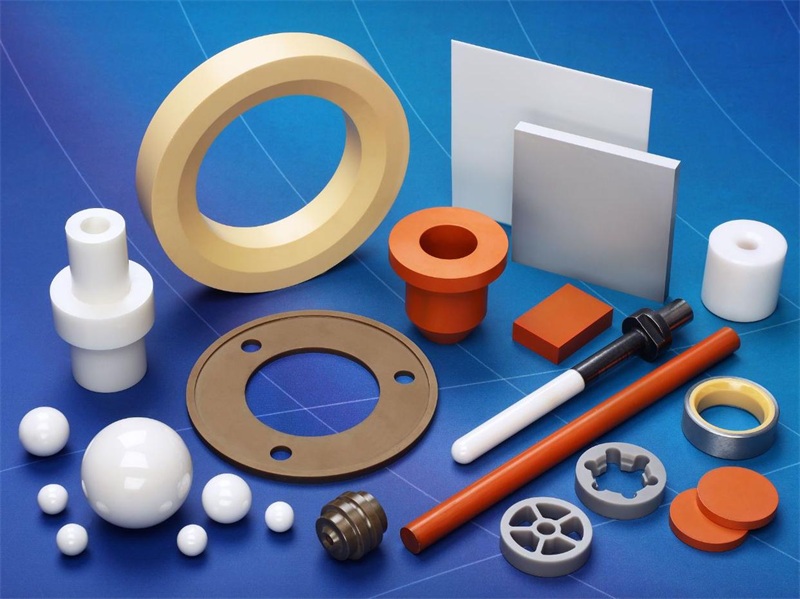
Core Applications and Value of Zirconia Ceramics in High Temperature Field
The application of zirconia ceramics in the high-temperature field is not limited to heat resistance in a single dimension, but based on its comprehensive advantages in physical, chemical, and electrical properties, providing a comprehensive solution for high-end manufacturing.
- Ultra high temperature refractory and lining materials: the “ultimate defense line” of smelting technology
In glass melting furnaces and special metallurgical furnaces, zirconia products (such as fused zirconia bricks) are the ultimate defense against extreme environments.
Application value: For the production of high-end glass such as optical glass and LCD display substrates, the lining of the melting furnace must be absolutely pure and corrosion-resistant. Zirconia bricks have zero porosity and extremely low glass phase leakage, which can resist the severe erosion and corrosion of molten glass above 1600 ℃ for a long time, prevent the occurrence of defects such as stones and bubbles, and ensure the ultra-high purity of optical grade glass.
In the field of metallurgy, as the lining of intermediate frequency furnaces and tungsten rod furnaces, it can maintain stability in harsh environments of 2000-2300 ℃, providing necessary temperature field guarantee for the purification and melting of rare metals. - Thermal barrier coatings and engine structural components: the “thermal armor” of the power system
In the fields of aerospace and gas turbines, the key to improving thrust and efficiency lies in increasing combustion temperature.
Application value: By spraying zirconia based thermal barrier coatings on aircraft engine turbine blades, the temperature resistance limit of the blades can be significantly improved, allowing them to operate in environments exceeding the melting point of the alloy, thereby increasing the thermal efficiency of the engine by more than 12%. In addition, structural components such as zirconia ceramic sealing rings and bearings, utilizing their high temperature resistance and low density characteristics, maintain dimensional stability during high-speed rotation and severe temperature changes, achieving excellent reliability with “zero maintenance before launch”. - High temperature functional ceramics: the “heart” of energy conversion
By utilizing the ion conductivity of zirconia at high temperatures, it has become a core material for clean energy technology.
Application value: In solid oxide fuel cells (SOFCs), zirconia electrolyte membranes are the core components that allow oxygen ions to penetrate at high temperatures (800 ℃ -1000 ℃), achieving up to 60% power generation efficiency. At the same time, as an oxygen sensor (oxygen analyzer zirconium tube) for automobiles and industrial boilers, it can accurately monitor the oxygen concentration in combustion exhaust gas, optimize the air-fuel ratio, not only save more than 10% of fuel, but also significantly reduce harmful emissions. - Precision high-temperature structural components: the “wear-resistant powerhouse” for extreme working conditions
Application value: In applications such as wire drawing molds and thermocouple protection tubes, zirconia ceramics solve the problems of metal oxidation and adhesion at high temperatures due to their high hardness and chemical inertness. For example, in the fiber drawing process, zirconia wire guides can ensure that the surface of the fiber is smooth and undamaged during high-temperature and high-speed drawing.
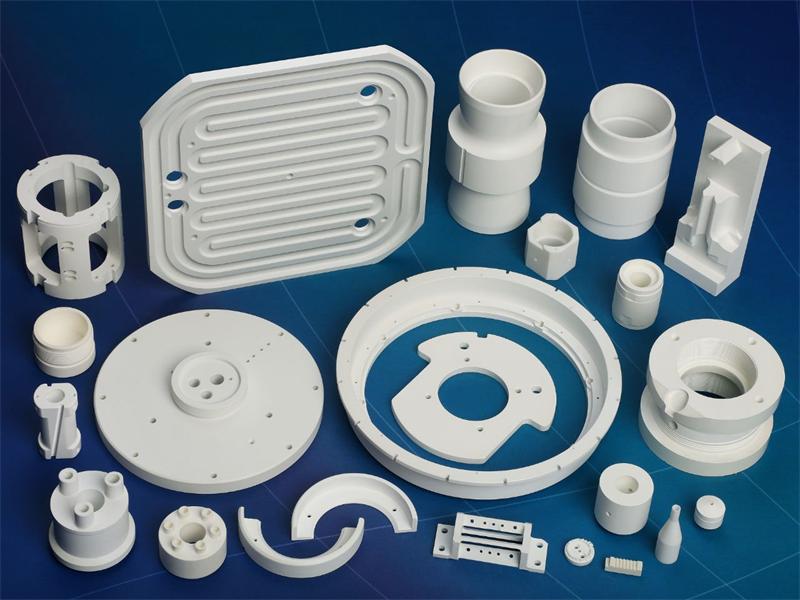
Customer Application Cases
Case 1: The lifespan of a well-known photovoltaic enterprise’s polycrystalline silicon ingot furnace has doubled
Customer background: A large domestic photovoltaic material manufacturer, during the process of polycrystalline silicon casting, critical consumables such as crucibles and heat shields are subjected to long-term erosion by high-temperature silicon liquid at 1600 ℃.
Facing problems: The original graphite and coating scheme has a short lifespan, frequent replacement leads to long shutdown time, and coating peeling easily causes silicon material pollution, affecting the conversion efficiency of battery cells.
Solution: We have customized insulation and support components made of high-purity zirconia fibers and dense zirconia plates.
Application effect: After renovation, the insulation performance of the ingot furnace has been significantly improved, and energy consumption has been reduced by 15%. More importantly, the corrosion resistance of zirconia components has increased the cycle life of consumables in the furnace from 1000 times to over 3000 times, significantly reducing downtime for maintenance and completely eliminating the problem of silicon impurities caused by material peeling, helping customers achieve a dual leap in production capacity and quality.
Case 2: A Special Glass Factory – Overcoming the Problem of “Stones” in Optical Glass
Customer background: A company specializing in the production of high-end optical lens glass.
Problem faced: In the production of high refractive index optical glass, the flow hole of the melting furnace is constantly eroded by high-temperature glass liquid, resulting in the formation of “stones” (unmelted impurity particles) in traditional refractory materials, leading to the scrapping of expensive glass liquid and a drop in yield to 85% at one point.
Solution: Introduce our fused zirconia bricks (with a ZrO ₂ content of 94%) as paving bricks for flow holes and critical areas.
Application effect: Thanks to the extremely low glass phase leakage and excellent anti erosion ability of zirconia bricks, after one year of operation in the furnace, the surface in contact with the glass remains smooth and new, without any deterioration layer. The defects of bubbles and stones in the glass liquid have almost disappeared, and the product yield has increased to over 99%, directly recovering millions of economic losses for customers and establishing its leading position in the high-end optical market.
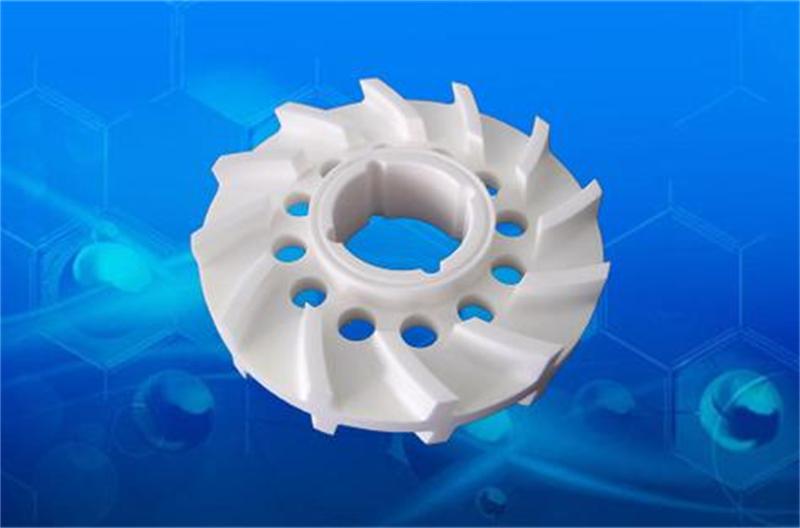
Does your high-temperature process also require a thorough ‘material upgrade’? Whether it’s bulk procurement of standard parts or non-standard customization under complex working conditions, please feel free to contact us at any time. Let us use professional zirconia ceramic solutions to help you navigate extreme environments and create higher value!
Brudeze Ceramics supplies and sells a wide range of high-quality quartz glass, including alumina ceramics, zirconia ceramics, silicon nitride ceramics, aluminum nitride ceramics, silicon carbide ceramics, boron carbide ceramics, bioceramics, machinable ceramics, etc. We can meet the customization requirements of various ceramic products.
PREVIOUS:Application of Zirconia Ceramics in Consumer Electronics
NEXT:Application of silicon nitride ceramics in high temperature resistance
CATEGORIES
LATEST NEWS
- High temperature resistant ...
- High grinding zirconia cera...
- Pollution free zirconia cer...
- High purity zirconia cerami...
- Low wear zirconia ceramic b...
- High hardness zirconia cera...
- High density zirconia ceram...
- Electric field sintering zi...
- Magnetic field sintering zi...
- Activated sintered zirconia...