
Silicon nitride ceramics with good heat dissipation performance
In today’s rapidly evolving electronic devices towards high power, miniaturization, and integration, heat dissipation efficiency has become the core bottleneck restricting technological breakthroughs. Silicon nitride ceramics, with their unique physical and chemical properties, especially the perfect balance between high thermal conductivity and low thermal expansion coefficient, have become a key material to solve this problem. Its theoretical thermal conductivity can reach 400W/(m · K), and commercial products are generally stable at 80-90W/(m · K). Coupled with a highly matched thermal expansion coefficient with semiconductor chips (2.4-3.2 × 10 ⁻⁶/K), it can significantly reduce the risk of device failure caused by thermal stress, providing reliable guarantee for high-power density applications.
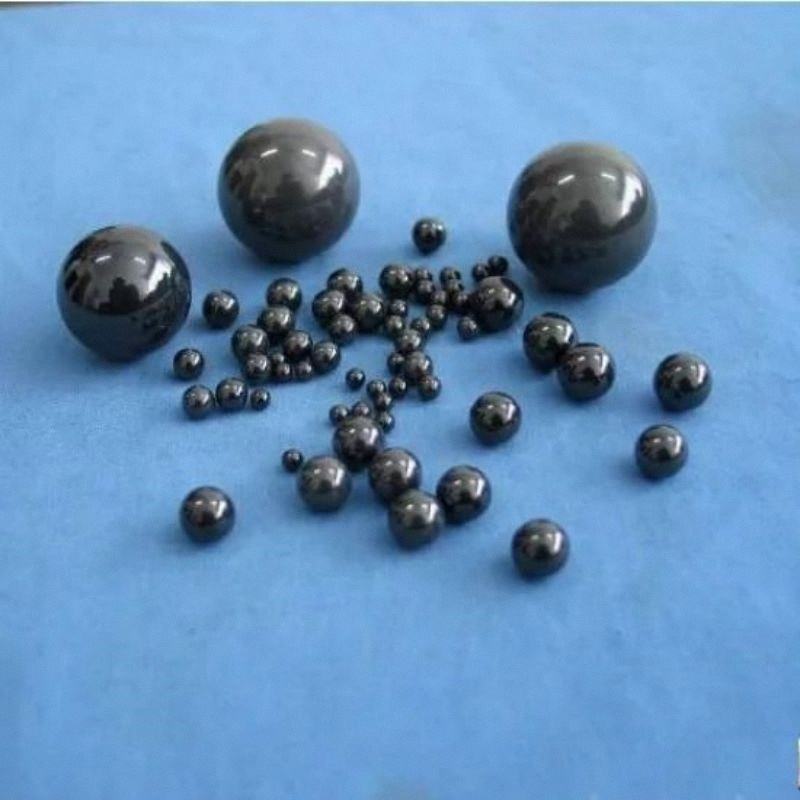
FAQ: Core issues that users are most concerned about
Q1: Why is the thermal conductivity of silicon nitride ceramics better than traditional ceramics?
The thermal conductivity of silicon nitride ceramics originates from their unique crystal structure. Alpha/β phase silicon nitride forms long columnar grains through high-purity powder and pressure sintering process, effectively suppressing amorphous substances in the grain boundary phase and greatly improving phonon conduction efficiency. In contrast, the thermal conductivity of alumina ceramics is only 20-30W/(m · K), while aluminum nitride has a higher theoretical value (170-220W/(m · K)), but industrial products are limited by sintering processes, and the actual performance gap with silicon nitride has narrowed.
Q2: How can silicon nitride ceramics solve the problem of thermal expansion matching?
The thermal expansion coefficient of silicon nitride (2.6-3.2 × 10 ⁻⁶/K) is highly similar to that of silicon (~3 × 10 ⁻⁶/K) and silicon carbide (~4 × 10 ⁻⁶/K), which can effectively avoid interface stress caused by thermal cycling. For example, in IGBT modules, the thermal expansion difference between silicon nitride substrates and SiC chips is reduced by 60% compared to aluminum oxide substrates, significantly improving device reliability.
Q3: Can the machining accuracy of silicon nitride ceramics meet the precision requirements?
Through CNC precision machining and laser interference detection technology, silicon nitride ceramics can achieve a dimensional accuracy of ± 0.001mm and a surface roughness Ra ≤ 0.1 μ m. Support customization of irregular parts ranging from 1mm to 200mm, meeting the stringent requirements of semiconductor equipment, aerospace and other fields.
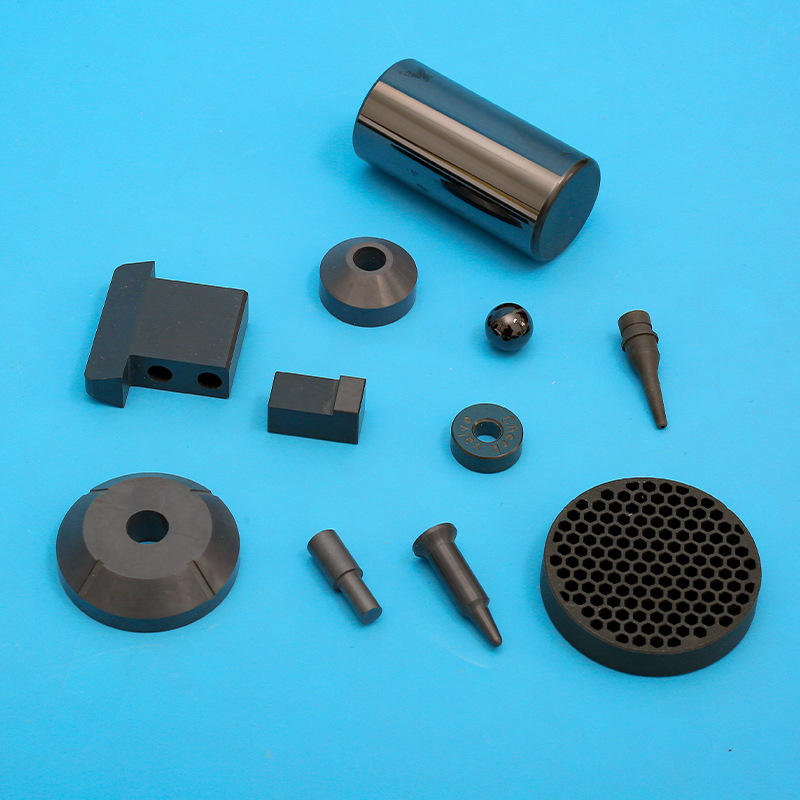
User core needs and solutions
Silicon nitride ceramic heat dissipation substrate can accurately solve the following problems:
High power density heat dissipation: In new energy vehicle motor controllers, silicon nitride substrates reduce IGBT module power consumption by 2-3% and increase battery life by 5-10%;
Thermal mechanical reliability: In photovoltaic inverters, the thermal shock resistance of silicon nitride substrates is three times higher than that of aluminum oxide, and the failure rate is reduced by 80%;
Extreme environmental adaptability: In the aerospace field, silicon nitride ceramic antenna covers can withstand 2200 ℃ thermal shock at 5 Mach flight, reducing signal transmission loss to below 0.5dB;
Long term chemical stability: In chemical pump valves, silicon nitride ceramic seals are resistant to strong acid and alkali corrosion, and have a lifespan five times longer than metal components.
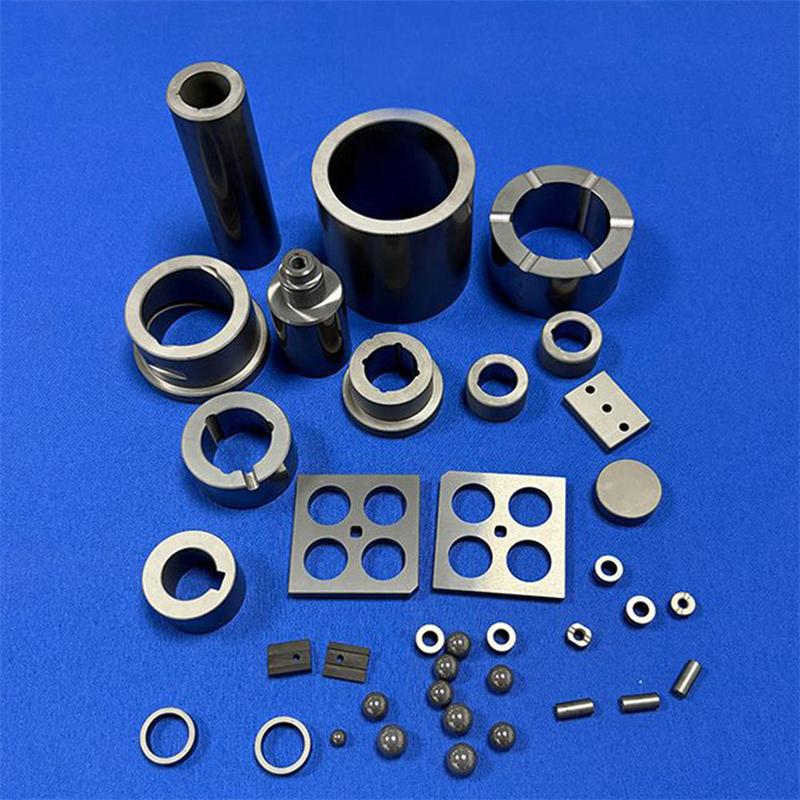
Product advantages and customized services
technical advantage
High thermal conductivity: Commercial products remain stable at 80-90W/(m · K), approaching the industrial level of aluminum nitride;
High strength and toughness: flexural strength of 800-1000MPa, fracture toughness of 6-8MPa · m ¹/², and impact resistance three times better than alumina;
Process maturity: Gas pressure sintering technology achieves density>99% and improves grain development uniformity by 40%;
Metalization reliability: AMB active metal brazing bonding strength>40MPa, can pass cold and hot cycle tests from -55 ℃ to 175 ℃.
customized service
Size customization: supports processing of circular substrates and irregular structural components ranging from 1mm to 500mm in diameter;
Performance customization: Adjust thermal conductivity (60-120W/(m · K)) and bending strength (600-1000MPa) according to requirements;
Surface treatment: Provide surface treatment solutions such as gold plating, copper coating, and special coatings;
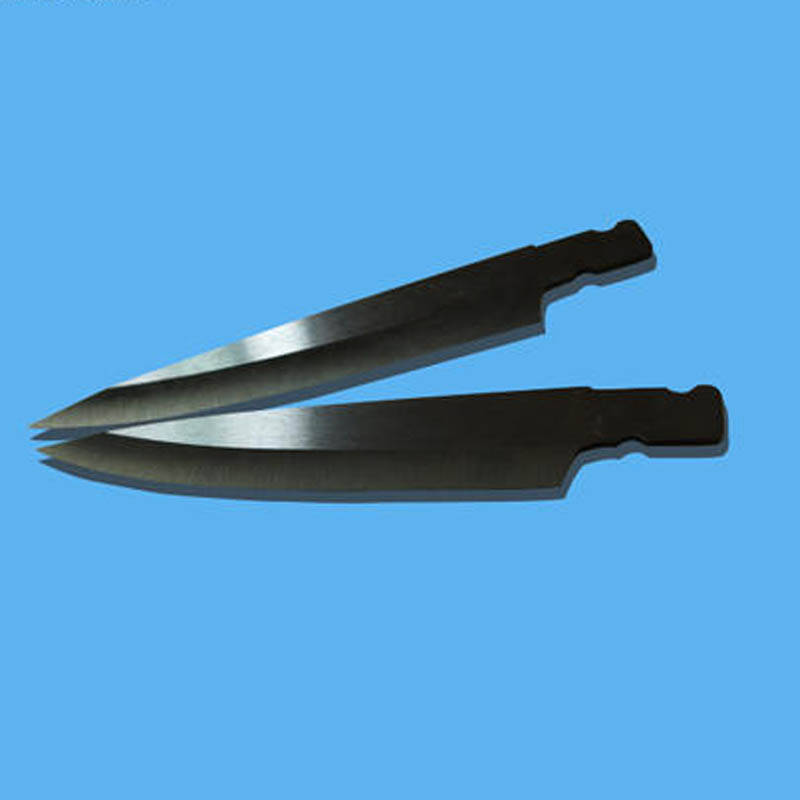
Customer Application Cases
Case 1: New Energy Vehicle Motor Controller
A leading car manufacturer has replaced traditional alumina substrates with 120mm silicon nitride substrates, reducing power consumption of 800V platform motor controllers by 3%, lowering temperature rise by 15 ℃, and extending module lifespan from 8 years to 12 years.
Case 2: Aerospace antenna cover
A certain satellite manufacturer has selected porous silicon nitride ceramic antenna covers, which can maintain a back temperature within 280 ℃ under 5 Mach flight conditions. The signal transmission loss is reduced by 60% compared to quartz materials, and has been successfully applied to hypersonic vehicles.
Case 3: Semiconductor wafer carrier
A certain 12 inch wafer fab uses silicon nitride ceramic carriers, with a size change of<0.01mm in a high temperature environment of 1000 ℃, to avoid yield loss caused by wafer thermal deformation, and increase the annual production capacity of a single line by 200000 pieces.
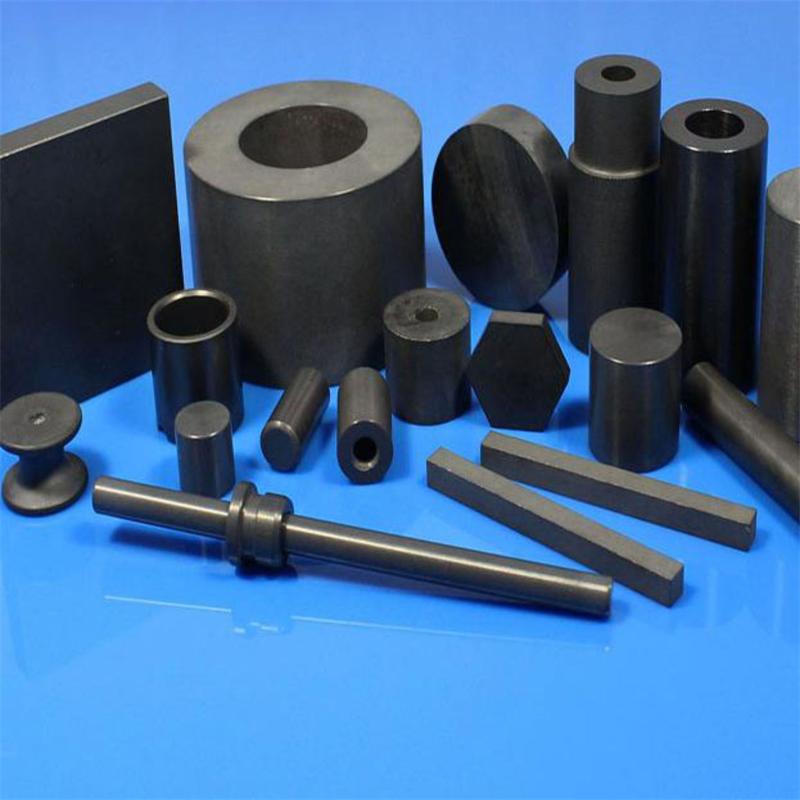
We can provide full cycle services from design to mass production in the fields of new energy vehicles, aerospace, semiconductors, and industrial frequency converters. Click on consultation to obtain exclusive technical solutions and quotations.
Brudeze Ceramics supplies and sells a wide range of high-quality quartz glass, including alumina ceramics, zirconia ceramics, silicon nitride ceramics, aluminum nitride ceramics, silicon carbide ceramics, boron carbide ceramics, bioceramics, machinable ceramics, etc. We can meet the customization requirements of various ceramic products.
Tags: boron carbide ceramics
CATEGORIES
LATEST NEWS
- High hardness and wear-resi...
- Low expansion microcrystall...
- High temperature resistant ...
- High grinding zirconia cera...
- Pollution free zirconia cer...
- High purity zirconia cerami...
- Low wear zirconia ceramic b...
- High hardness zirconia cera...
- High density zirconia ceram...
- Electric field sintering zi...