
Application of silicon nitride ceramics in corrosion resistance
Silicon nitride ceramics, with their unique covalent bond structure and excellent chemical stability, have demonstrated irreplaceable application value in extreme corrosive environments such as strong acids, strong bases, molten metals, and high-temperature oxidation. As a high-performance structural ceramic, it not only overcomes the defects of easy rusting and pitting of metal materials, but also maintains an extremely long service life under the dual challenges of high temperature wear resistance and corrosion resistance. Whether it is the lining of chemical reaction vessels, semiconductor wafer carriers, or metal melting crucibles, silicon nitride ceramics have become a key material for modern industry to solve corrosion problems and achieve long-term operation of equipment.
Product Core Q&A (FAQ)
Q1: What corrosive media can silicon nitride ceramics withstand? Is there anything unbearable?
A1: Silicon nitride ceramics have strong corrosion resistance to most acids (such as hydrochloric acid, nitric acid, sulfuric acid, aqua regia), bases (such as sodium hydroxide, potassium hydroxide), and salt solutions, with a chemical inertness of nearly 100%. It can even withstand the erosion of partially melted metals such as aluminum, zinc, gold, and silver. The only thing to note is that it is not resistant to corrosion by hydrofluoric acid (HF) and hot phosphoric acid, and should be used with caution in strong acid environments containing fluoride ions.
Q2: What are the corrosion resistance advantages of silicon nitride compared to stainless steel (such as 316L) or zirconia ceramics?
A2: Compared to 316L stainless steel, silicon nitride ceramics have improved corrosion resistance by more than 15 times in strong acid environments, and there is no electrochemical corrosion (rusting) problem at all. Compared to zirconia ceramics, silicon nitride has higher fracture toughness and thermal shock resistance, which means that it is less prone to microcracks under corrosive fluid erosion or severe temperature fluctuations (thermal shock), thus avoiding material failure caused by corrosive medium penetration.
Q3: What are the special requirements for the application of silicon nitride ceramics in the semiconductor industry?
A3: In semiconductor manufacturing, the high-purity silicon nitride ceramics we provide (purity ≥ 99.9%) not only require resistance to plasma corrosion, but also require extremely low metal ion precipitation rates. Its unique thermal conductivity and insulation balance make it an ideal choice for heat dissipation substrates and wafer carrier components, effectively preventing particle pollution during the manufacturing process.
Q4: What forms of corrosion-resistant silicon nitride products can you provide?
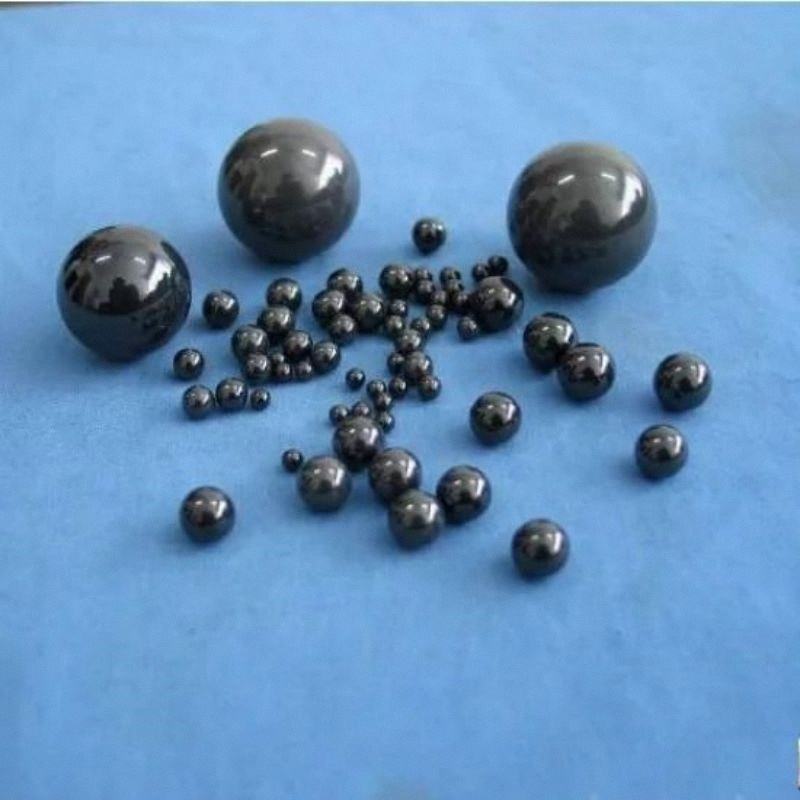
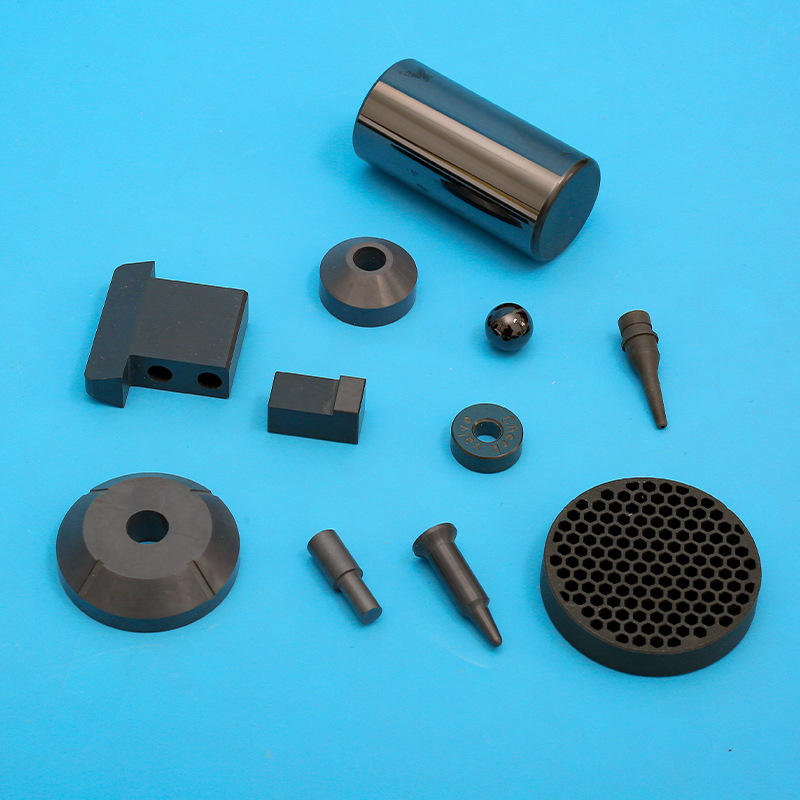
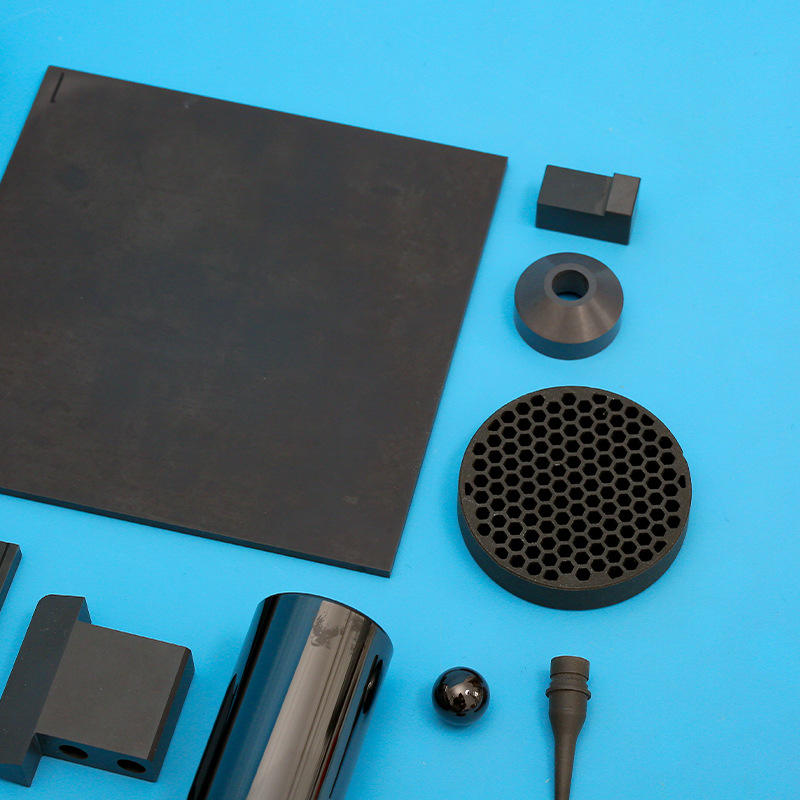
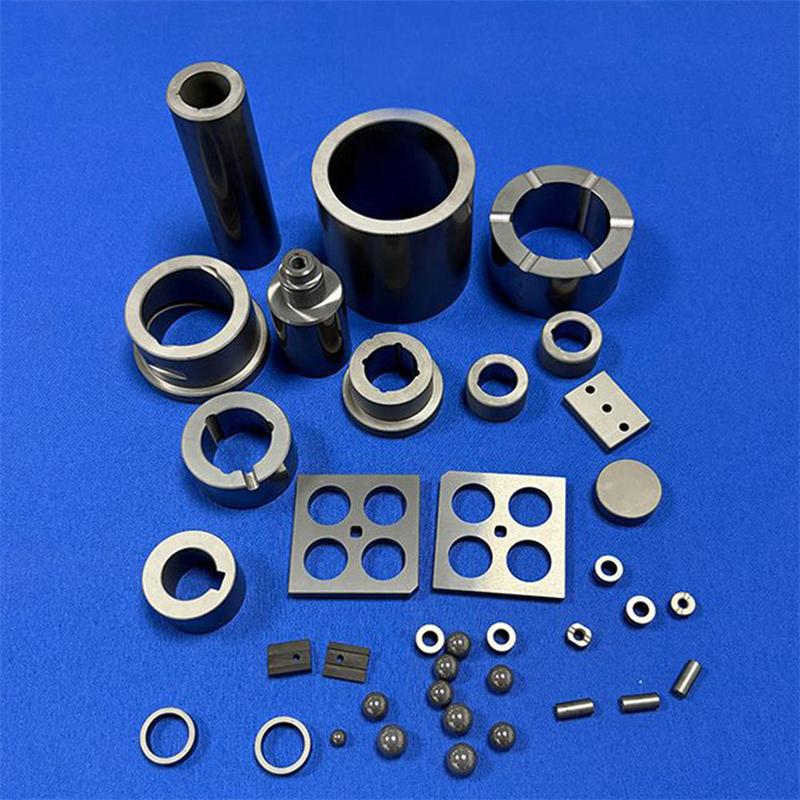
A4: We support full-size customized processing. The product forms include but are not limited to: silicon nitride ceramic balls (bearing balls), crucibles, high-temperature and corrosion-resistant pipes, sealing rings, nozzles, semiconductor heat dissipation substrates, and various shaped structural components. We can perform precision grinding processing based on your drawings, with tolerances controlled at the micrometer level.
Resolve your core challenge
Are you facing severe challenges in chemical, metallurgical, or semiconductor manufacturing where critical equipment components rapidly corrode in strong acid and alkali environments, leading to frequent shutdowns and replacements? Did metal components contaminate high-purity reaction media due to electrical corrosion or oxidation rusting? Or, due to the drastic temperature changes in working conditions, traditional ceramic materials may explode due to poor thermal shock resistance, leading to leakage accidents?
Our silicon nitride ceramic solution is designed to end these troubles. It utilizes the chemical inertness of the material itself to construct an indestructible anti-corrosion barrier. It not only solves the problem of “corrosion”, but also solves the problems of “pollution caused by corrosion” and “failure caused by thermal shock”, helping you achieve long-term, zero fault operation of equipment under harsh working conditions.
Core application areas
Chemical and petrochemical industries: used for manufacturing reactor liners, pipelines, valve spheres, pump body sealing rings, etc. Especially in the production and transportation systems of sulfuric acid and hydrochloric acid, silicon nitride ceramics can replace expensive Hastelloy alloys, significantly reducing costs and extending lifespan.
Semiconductor and electronic manufacturing: used as wafer carriers, heat dissipation substrates, and etching machine components. Its resistance to plasma corrosion and high insulation ensure the cleanliness and yield of the chip manufacturing process.
Nonferrous metal melting: used for manufacturing crucibles, temperature measuring tubes, and protective tubes for melting metals such as aluminum, zinc, and copper. Silicon nitride is not wetted by molten metal, which not only resists corrosion, but also prevents the adhesion of molten metal and extends its service life.
Environmental Protection and New Energy: Applied in flue gas desulfurization and denitrification devices, lithium battery material sintering bowls, resistant to the erosion of high-temperature corrosive gases.
Core advantages of the product
Extreme chemical inertness: except for hydrofluoric acid, it hardly reacts with any chemical reagents and has better acid and alkali corrosion resistance than most metals and ceramics.
Excellent thermal shock resistance: does not explode under rapid cooling and heating with a temperature difference of over 1000 ℃ (better than alumina and zirconia), ensuring safety in corrosive environments with temperature fluctuations.
High hardness and wear resistance: The Mohs hardness is close to diamond, and it can resist both chemical corrosion and physical wear under corrosive slurries or airflow erosion.
Electrical insulation and non-magnetic: completely non-conductive in corrosive electrolyte solutions, eliminating the possibility of electrochemical corrosion.
Customer Application Cases
Upgrading the inner wall of sulfuric acid drying tower in a large chemical plant
Background: The customer used 316L stainless steel as the inner wall protective material in the drying tower of the concentrated sulfuric acid production line. Due to long-term exposure to high-temperature concentrated sulfuric acid and acid mist, the stainless steel wall is severely corroded, requiring downtime for repair or replacement every 6-8 months on average. This not only incurs high maintenance costs but also seriously affects production capacity.
Our solution: We recommend customers to use silicon nitride microcrystalline board instead of stainless steel lining. We have customized a specific size of silicon nitride protective plate for its strong corrosion resistance to sulfuric acid (corrosion resistance is more than 15 times higher than 316L), and carried out precision installation.
Result: After the renovation, no signs of corrosion were found on the inner wall of the drying tower after continuous operation for 3 years. The customer not only extended the equipment replacement cycle to over 8 years, but also saved hundreds of thousands of yuan in maintenance costs and downtime losses every year, solving the safety hazards caused by acid corrosion.
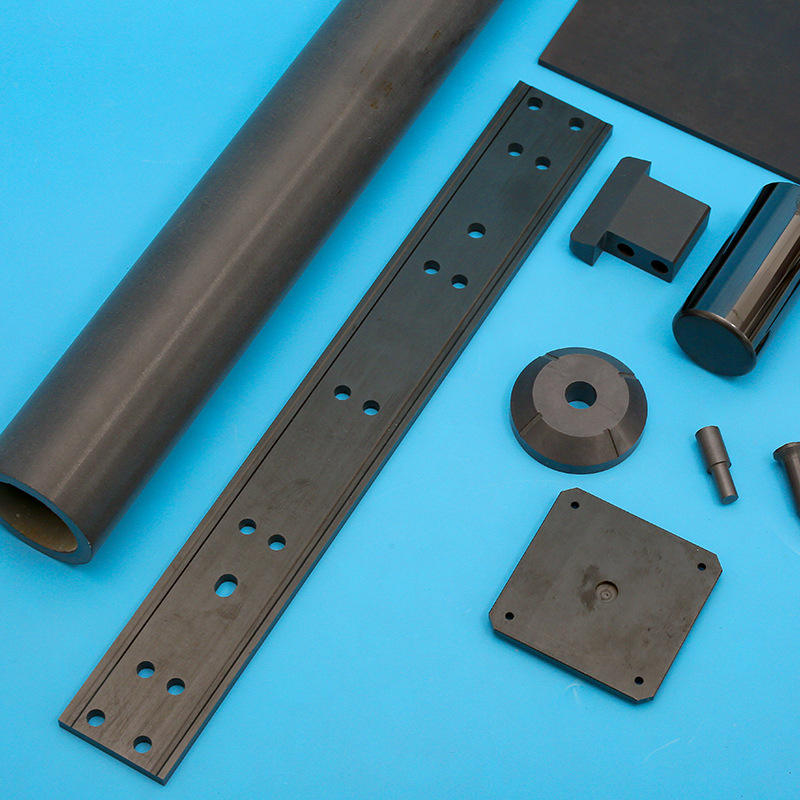
If you are looking for a silicon nitride ceramic solution that can resist extreme corrosion and extend equipment life, please contact us immediately. Whether it’s standard component procurement or customized development for complex working conditions, our professional technical team will provide you with the most authoritative material selection suggestions and product quotations!
Brudeze Ceramics supplies and sells a wide range of high-quality quartz glass, including alumina ceramics, zirconia ceramics, silicon nitride ceramics, aluminum nitride ceramics, silicon carbide ceramics, boron carbide ceramics, bioceramics, machinable ceramics, etc. We can meet the customization requirements of various ceramic products.
PREVIOUS:Application of silicon nitride ceramics in high temperature resistance
NEXT:Application of silicon nitride ceramics in wear resistance
CATEGORIES
LATEST NEWS
- High temperature resistant ...
- High grinding zirconia cera...
- Pollution free zirconia cer...
- High purity zirconia cerami...
- Low wear zirconia ceramic b...
- High hardness zirconia cera...
- High density zirconia ceram...
- Electric field sintering zi...
- Magnetic field sintering zi...
- Activated sintered zirconia...