
Application of silicon nitride ceramics in high-power optoelectronic field
Silicon nitride ceramics (Si ∝ N ₄) are becoming a key material for breaking through performance bottlenecks in high-power optoelectronic devices due to their unique “optical thermal mechanical” comprehensive properties. From the heat sink substrate of high-power lasers to the fluorescent conversion material substrate for laser illumination and display, silicon nitride, with its high thermal conductivity (>90 W/(m · K)), excellent thermal shock resistance, and good transparency in the visible to mid infrared wavelength range, solves the efficiency decline and reliability problems caused by “thermal accumulation” in high-power devices, providing an ideal thermal management and optical platform for the next generation of solid-state lighting, laser display, and optical communication.
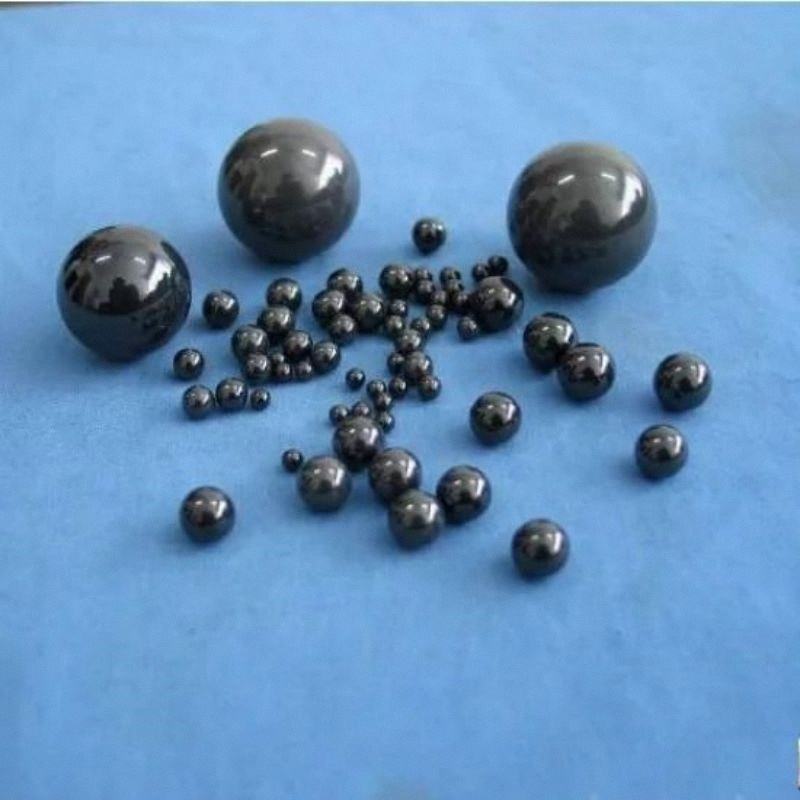
Product FAQ: Targeting the Core Pain Points in the High Power Optoelectronic Field
Q: High power LEDs or lasers generate severe heat during operation, resulting in decreased light efficiency and color drift. How can we solve the heat dissipation bottleneck?
Answer: Our high thermal conductivity silicon nitride ceramic substrate has a thermal conductivity of over 90 W/(m · K), which is 4-5 times that of aluminum oxide, and its thermal expansion coefficient matches the chip. Used as a COB packaging substrate or laser heat sink, it can quickly remove heat, reduce junction temperature by 15-20 ° C, and effectively suppress light decay and color drift.
Q: In laser lighting, the traditional fluorescent powder+organic silicone solution is not resistant to high temperatures and is prone to carbonization and yellowing. What should be done?
Answer: Using silicon nitride ceramics as the carrier of fluorescent powder, fully inorganic fluorescent glass ceramics are prepared. The silicon nitride substrate has a temperature resistance of over 1000 ° C and stable chemical properties, capable of withstanding high-energy density excitation from blue light lasers, completely solving the problem of organic adhesive aging and significantly extending device life.
Q: In optical communication systems, the coupling loss between optical fibers and silicon optical chips is high. How to improve the coupling efficiency?
Answer: Silicon nitride waveguides have a wide transparent window (visible to mid infrared) and low transmission loss. The silicon nitride tapered edge coupler we designed can effectively match the mode field and improve the coupling efficiency from fiber to chip to over 84%, significantly reducing insertion loss.
Q: Is there a suitable choice for window materials that are radiation resistant and transparent in UV LED or high-energy ray detection?
Answer: Silicon nitride free film windows have excellent ultraviolet/infrared transmittance and extremely high radiation resistance. As an X-ray observation window or ultraviolet LED light output window, it can ensure efficient transmission of light signals and withstand vacuum and radiation environments.
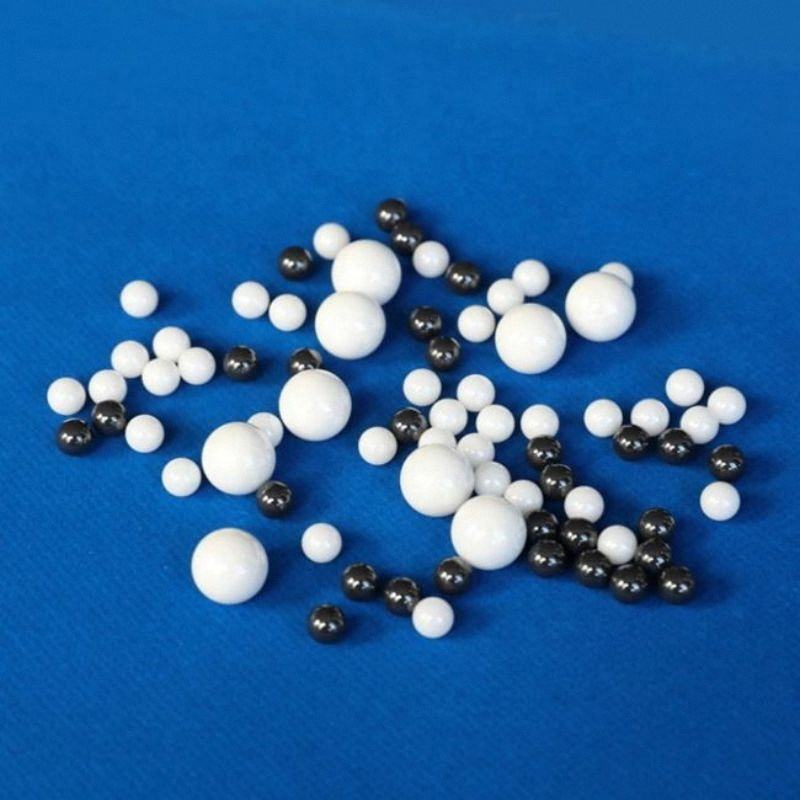
Product core advantage: How can silicon nitride empower high-power optoelectronics?
- Ultimate thermal management capability
The thermal conductivity mechanism of silicon nitride ceramics originates from its complete covalent bond crystal structure. In high power density scenarios, heat is the “number one killer” of optoelectronic components.
-High thermal conductivity: Advanced silicon nitride materials have a thermal conductivity of 90-120 W/(m · K), which is close to the level of aluminum metal, but they are electrical insulators.
-Low thermal resistance: Used for chip substrates or heat sinks, it can construct a low impedance channel from the “heat island” to the heat sink, eliminating hot spot effects. - Excellent optical performance and stability
-Wide band transmittance: Silicon nitride has a wide transparent window in the visible, near-infrared, and even mid infrared bands, making it a high-performance optical window material.
-High laser damage resistance threshold: Under continuous high-power laser irradiation, silicon nitride will not undergo photothermal decomposition like organic materials, ensuring the long-term stability of the system. - Ideal Silicon Photon Integration Platform
In the field of silicon-based optoelectronics, silicon nitride is a material compatible with complementary metal oxide semiconductor processes.
-Low transmission loss: The transmission loss of silicon nitride waveguides can be as low as 0.1 dB/cm or less, far superior to traditional waveguides.
-High refractive index contrast: conducive to the production of high-density photonic integrated devices, such as edge couplers, micro ring resonators, etc.
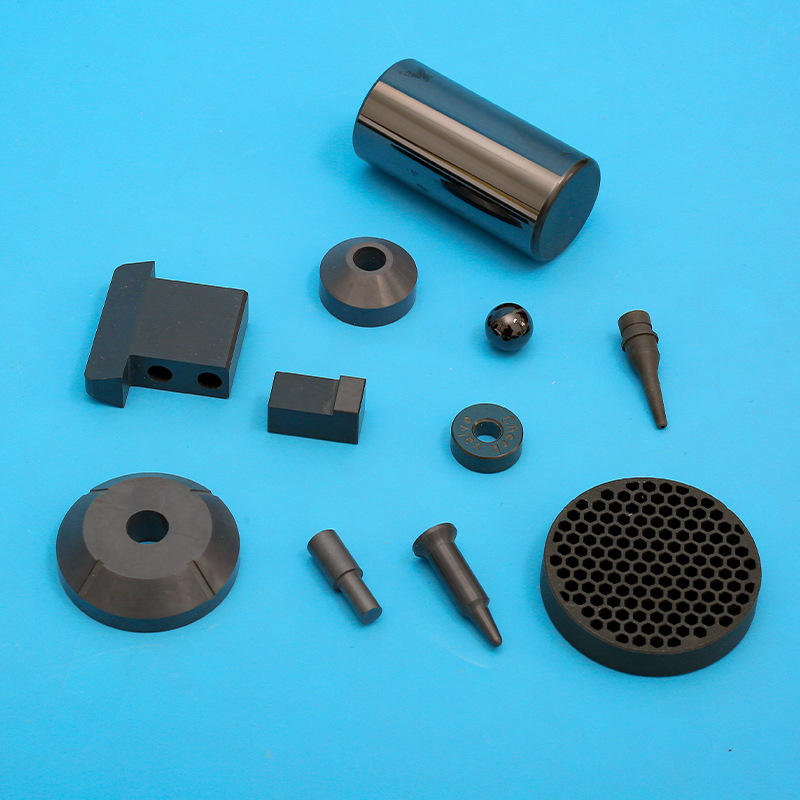
Product application areas
The application of silicon nitride ceramics in the field of high-power optoelectronics runs through the entire chain from “chip manufacturing” to “device packaging” and then to “system integration”:
-High power laser: used as a heat sink and secondary heat sink material for semiconductor lasers, as well as a pump coupler substrate for fiber lasers.
-Solid state lighting and display: Fluorescent converters (fluorescent glass ceramics) for laser headlights and COB packaging substrates for high-power LEDs.
-Optical Communication and Data Center: As the core medium for edge couplers, optical switches, and waveguide gratings in silicon photonic chips.
-Precision optical testing: used as an X-ray window, transmission electron microscope mesh, and radiation resistant optical window for high-energy physics experiments.
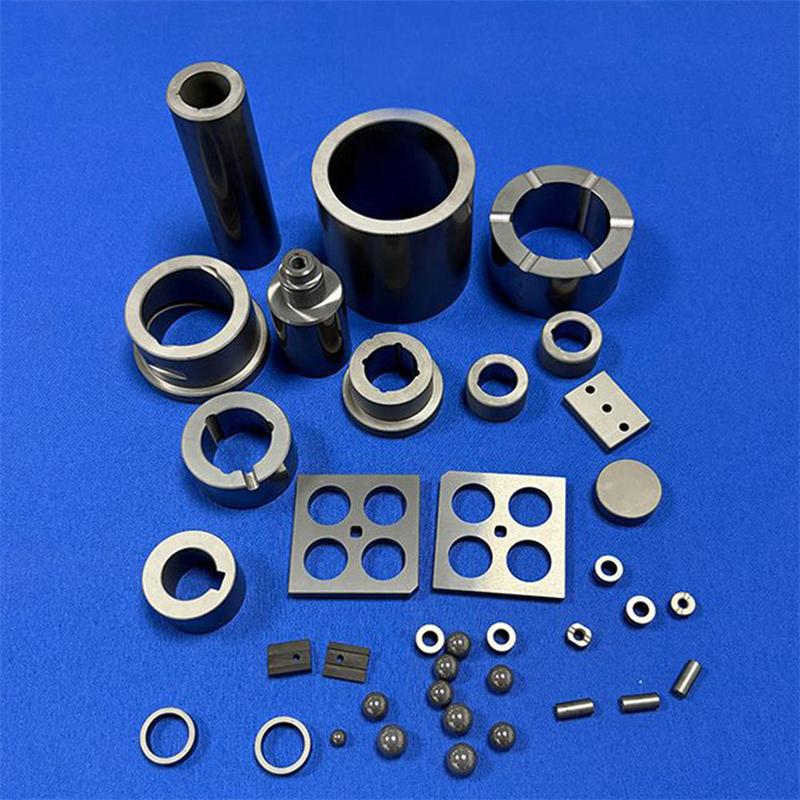
Specifications, Dimensions, and Customization Services
We are well aware that the applications in the field of optoelectronics are mostly technology driven innovation, so we provide deep collaborative customized research and development services:
-High thermal conductivity substrate/heat sink: Customizable square substrates with sizes ranging from 5mm × 5mm to 150mm × 150mm, with a thickness of 0.25mm-2mm to choose from, and surface roughness as low as Ra<0.1 μ m.
-Fluorescent ceramic chips: Specific fluorescent powders (such as Ce: YAG, La ∝ Si ₆ N ₁₁: Ce ³ ⁺) can be combined with silicon nitride substrates according to customer needs to achieve integrated design of wavelength conversion and heat dissipation.
-Photon integrated chip: Provides passive chip foundry services such as waveguides and couplers based on silicon nitride, with a thin film thickness of 200nm-1 μ m and a line width accuracy of up to nanometer level.
-Free film window: Customized low stress silicon nitride thin film window with a thickness of 20nm-500nm, with a window size of 30 μ m-3mm to choose from.
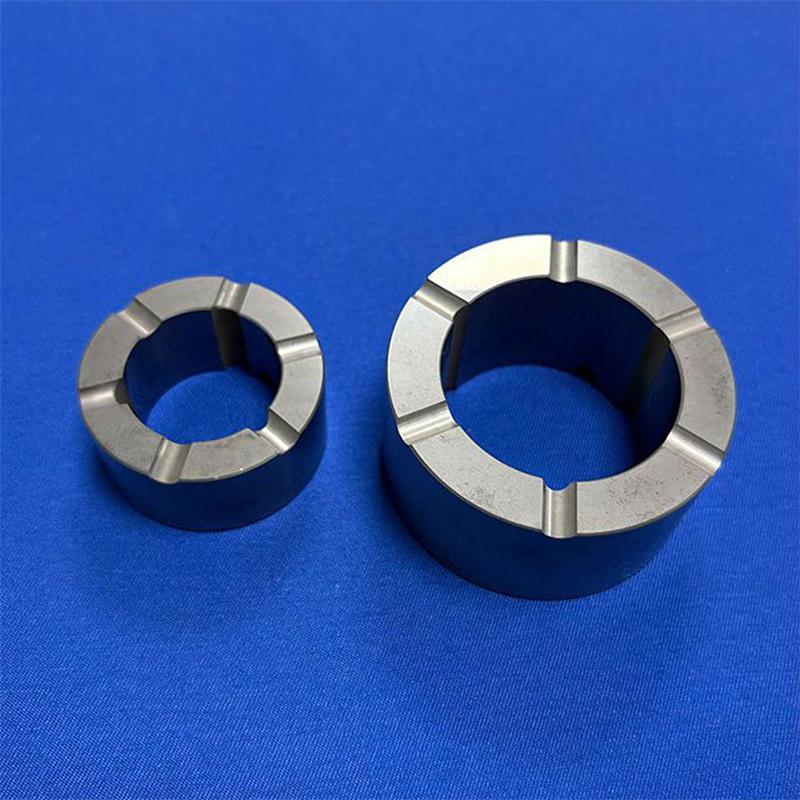
Customer Application Cases
Case: A well-known laser display technology enterprise – High power laser fluorescence converter project
-Needs and pain points:
The company is developing a remote fluorescent powder light source for high-end laser projectors and laser headlights. The original plan used blue light laser to excite a YAG fluorescent powder layer coated on a sapphire substrate. However, in actual testing, when the blue light power density exceeds 20 W/mm ², the fluorescent powder layer bonded by organic silicone gel rapidly carbonizes, resulting in “black spots” and causing color temperature drift and a cliff like drop in brightness. They urgently need an all inorganic, high-temperature resistant, and highly thermally conductive fluorescence conversion scheme.
-Our solution:
We recommend the Ce: YAG fluorescent glass ceramic composite solution to our clients, which uses high thermal conductivity silicon nitride ceramics as the substrate, mixes commercial Ce: YAG fluorescent powder with inorganic glass powder, and embeds it on the surface of the silicon nitride substrate through low-temperature co firing technology (LTCC).
- Customized design: Based on the customer’s laser spot size (diameter 1.5mm), we have customized circular composite ceramic pieces with a thickness of 0.5mm and a diameter of 10mm. By adjusting the concentration of fluorescent powder, the color temperature of the emitted light was precisely controlled at 5500K.
- Thermal management optimization: Utilizing the high thermal conductivity of the silicon nitride substrate, the heat generated by the fluorescence conversion layer is quickly conducted to the underlying metal heat sink to avoid heat accumulation.
-Final effect: - High power density resistance: The new solution, under continuous excitation of a 30 W/mm ² blue laser, worked continuously for 1000 hours without any carbonization or color decay, completely solving the problem of organic adhesive aging.
- Improvement in luminous efficiency: Due to the decrease in working temperature, the quantum efficiency of the fluorescent powder is maintained, and the overall luminous efficiency of the system has increased by 18% compared to the original scheme.
- Reliability leap: The product has passed the rigorous thermal shock test from -40 ° C to 125 ° C and successfully passed the vehicle specification certification. Currently, it has been applied to the laser headlights of a high-end new energy vehicle.
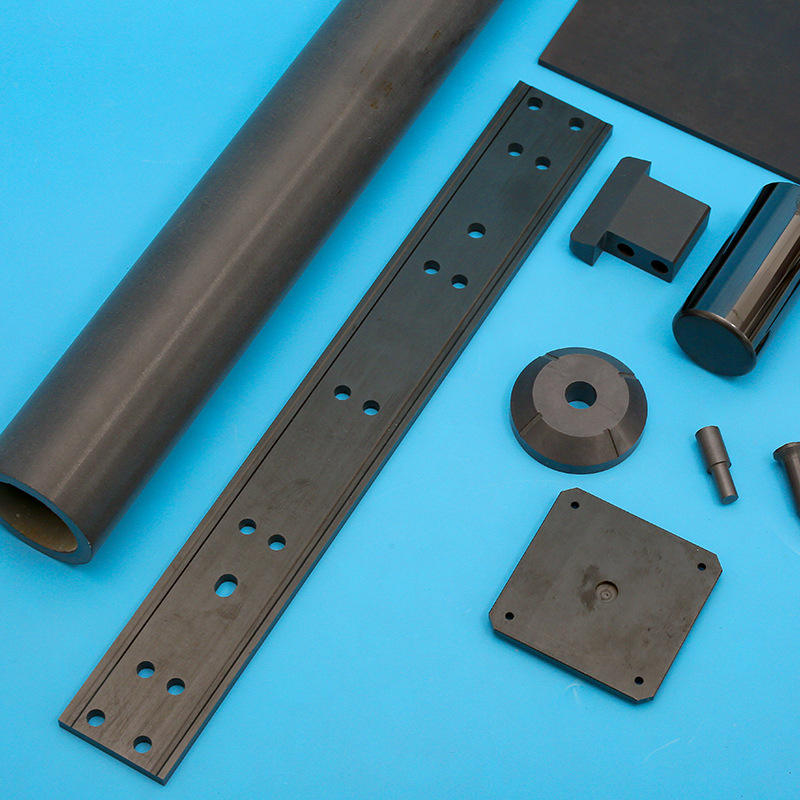
If you are looking for efficient heat sinks for high-power lasers, or customized silicon nitride optical components for laser lighting and silicon optical integration projects, our technical team looks forward to in-depth communication with you. Whether it’s standard samples or bulk customization, we can provide you with a complete solution from materials to packaging.
Brudeze Ceramics supplies and sells a wide range of high-quality quartz glass, including alumina ceramics, zirconia ceramics, silicon nitride ceramics, aluminum nitride ceramics, silicon carbide ceramics, boron carbide ceramics, bioceramics, machinable ceramics, etc. We can meet the customization requirements of various ceramic products.
Tags: boron carbide ceramics
PREVIOUS:Application of silicon nitride ceramics in the field of thin film metallization
NEXT:What are the applications and advantages of zirconia ceramic cutting tools
CATEGORIES
LATEST NEWS
- Which is more wear-resistan...
- Are microcrystalline cerami...
- What is the difference betw...
- Compared to ordinary cerami...
- What are the main material ...
- Large sized microcrystallin...
- What is the maximum operati...
- Low dielectric constant mic...
- High hardness and wear-resi...
- Low expansion microcrystall...