
What is the hardness of ceramic flanges
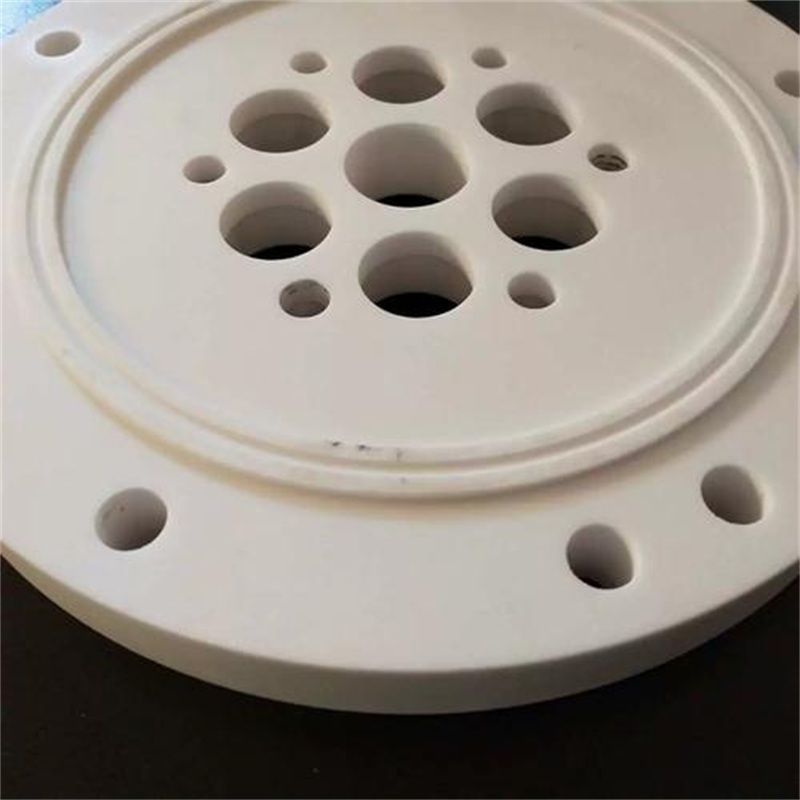
Ceramic flanges, with their excellent hardness and comprehensive performance, have become an ideal alternative to metal flanges in harsh industrial environments. This article will delve into the hardness characteristics, application scenarios, core advantages, and selection reasons of ceramic flanges, providing professional references for engineering selection.
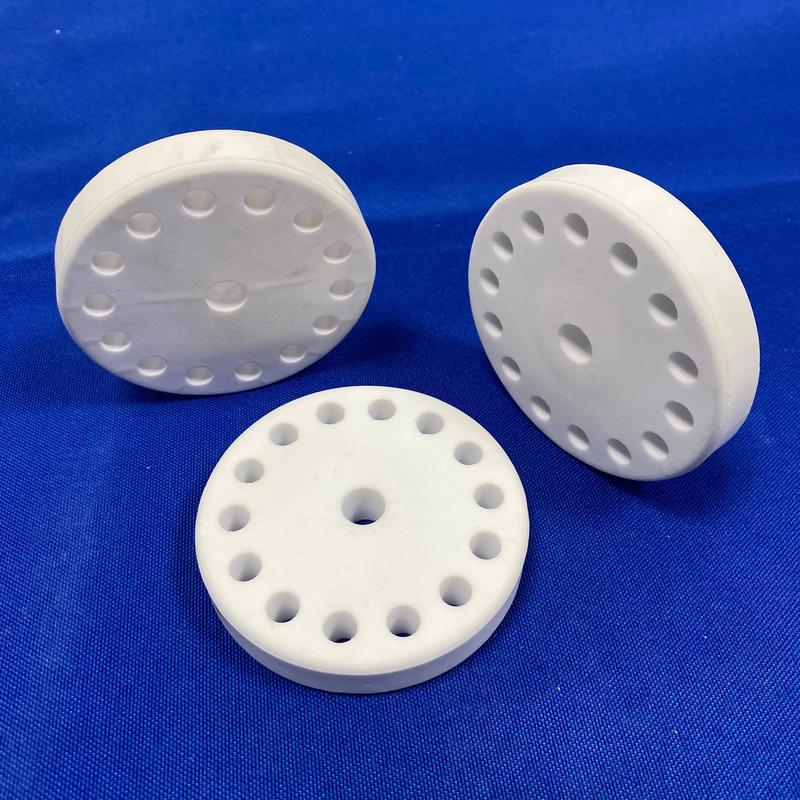
Hardness characteristics of ceramic flanges: objective data and professional analysis
The hardness performance of ceramic flanges is extremely outstanding, mainly due to their material characteristics:
- Hardness data and comparison
-Vickers hardness (HV): The HV of alumina ceramic flanges can reach 1500-1700, and that of silicon carbide ceramics can even reach 2000-2500
-Rockwell hardness (HRA): generally between 85-92
-Comparison reference: The hardness of hard alloy is about HRA 90, while that of quenched steel is only HRC 60-65
-Mohs hardness: Grade 9 for alumina ceramics (Grade 10 for diamonds) - Materials Science Behind Hardness
Ceramic flanges are usually made of high-purity aluminum oxide (Al ₂ O3), zirconium oxide (ZrO ₂), or silicon carbide (SiC) materials, which are prepared by isostatic pressing and high-temperature sintering to form a dense crystal structure, which is the fundamental reason for their high hardness.
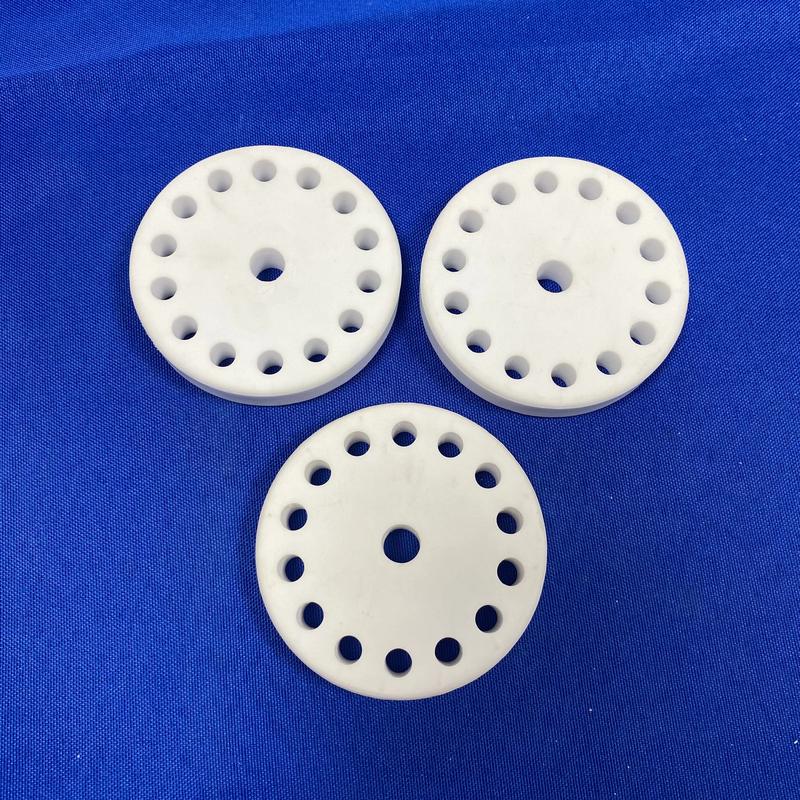
Product application scenario: Where is such high hardness required?
- Severe wear and tear conditions
-Powder conveying system: Pipeline for conveying granular materials such as cement, mineral powder, catalysts, etc
-Mineral processing and sorting equipment: connection parts in direct contact with ores - Corrosive environment
-Chemical process: acid and alkali medium transportation and reaction system
-Electroplating and Surface Treatment: Corrosive Liquid Pipeline Connections - High temperature and high pressure occasions
-High temperature flue gas treatment: flange connection of dust removal and desulfurization system
-Heat treatment equipment: furnace body connection and sealing parts
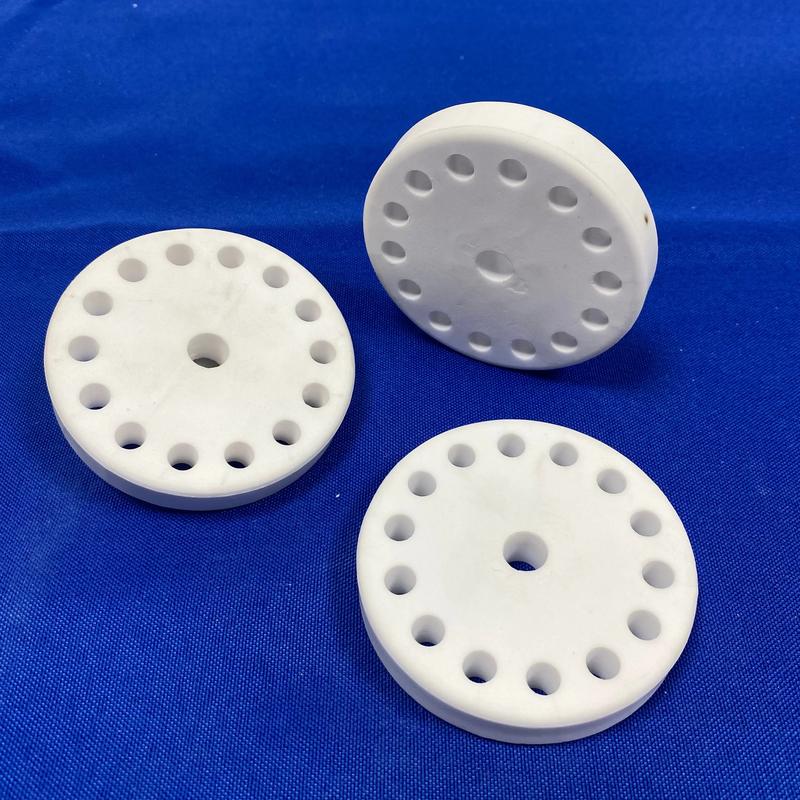
Product core advantage: comprehensive performance beyond hardness
- Excellent wear resistance
Hardness is directly converted into wear resistance, and the service life can reach 5-10 times that of ordinary metal flanges, significantly reducing replacement frequency and maintenance costs. - Excellent corrosion resistance
It has extremely high tolerance to most acid, alkali, and salt solutions, avoiding the common corrosion and perforation problems of metal flanges. - High temperature stability
The working temperature can reach 1600 ° C (depending on the material), with no oxidation or deformation issues, maintaining dimensional stability. - Lightweight design
The density is only 40-50% of steel, reducing system load and facilitating installation.
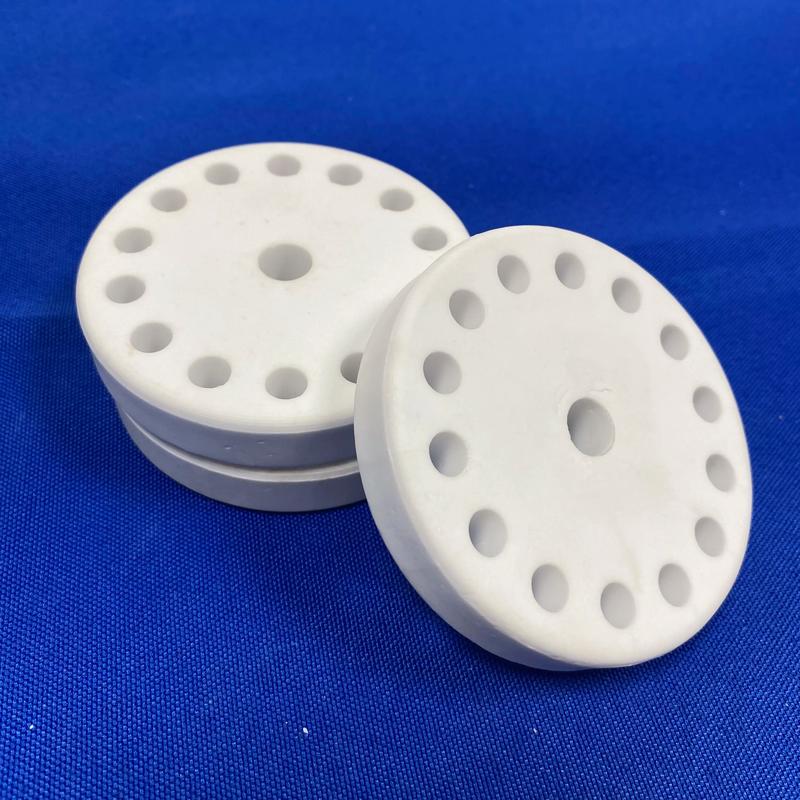
What practical problems are being solved?
- Extend the lifespan of equipment
To solve the shutdown losses caused by frequent replacement, the maintenance interval of a cement plant’s conveying system has been extended from 3 months to over 2 years after replacing ceramic flanges. - Ensure the reliability of system sealing
High hardness ensures that the flange surface is not easily scratched, maintains the flatness of the sealing surface, and prevents medium leakage. - Reduce comprehensive operating costs
Although the initial investment is relatively high, the total lifecycle cost can be reduced by 30-50%. - Adapt to extreme working conditions
Provide reliable solutions in environments with strong corrosion and high temperature wear that metal flanges cannot handle.
Customer Case Study Sharing
Case 1: A large chemical enterprise (anonymous)
Challenge: Corrosion and leakage of concentrated sulfuric acid pipeline flanges occur on average every 6 months, with frequent shutdowns for maintenance.
Solution: Replace with alumina ceramic flange and use a specially designed sealing structure.
Result: Running continuously for 3 years without any leaks or signs of corrosion, saving maintenance costs of over 800000 yuan annually.
Case 2: Flue gas desulfurization system for thermal power plants
Challenge: The inlet and outlet flanges of the desulfurization slurry circulation pump are severely worn and need to be replaced within 3 months.
Solution: Install silicon carbide ceramic flanges.
Result: The service life has been extended to 26 months, and the wear resistance has been improved by more than 10 times.
Case 3: Mineral Group Concentrate Transport Pipeline
Challenge: High concentration slurry causes rapid wear on the flange sealing surface, resulting in leakage and environmental pollution.
Solution: The entire line adopts ceramic lined composite flanges.
Result: The wear rate was reduced by 85%, achieving 2-year maintenance free operation.
Selection and usage suggestions
- Material selection guide
-Strong wear and general corrosion: choose alumina ceramics
-Strong acid and alkali environment: It is recommended to use zirconia ceramics
-Extreme wear and high temperature: preferred silicon carbide ceramic - Installation precautions
-Use specialized torque tools to avoid local over tightening
-Use flexible gaskets to compensate for thermal expansion differences
-Avoid impact loads and local stress concentration
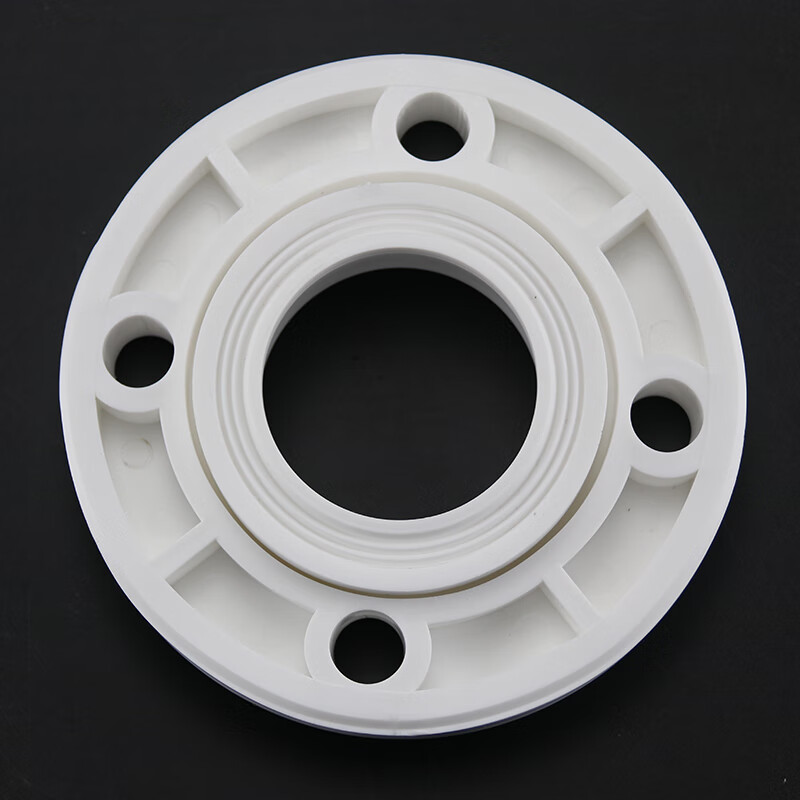
Ceramic flanges, with their excellent hardness characteristics and outstanding wear resistance, corrosion resistance, and high temperature resistance, have become the preferred solution for pipeline connections under harsh working conditions. The correct selection and installation of ceramic flanges can not only solve stubborn problems such as leakage, wear, and corrosion, but also significantly improve system reliability and reduce full lifecycle costs.
Brudeze Ceramics supplies and sells a wide range of high-quality quartz glass, including alumina ceramics, zirconia ceramics, silicon nitride ceramics, aluminum nitride ceramics, silicon carbide ceramics, boron carbide ceramics, bioceramics, machinable ceramics, etc. We can meet the customization requirements of various ceramic products.
Tags: boron carbide ceramics
CATEGORIES
LATEST NEWS
- What is the wear resistance...
- What is the hardness of cer...
- Aluminum oxide ceramic cust...
- What are the main aspects o...
- What are the mechanical pro...
- Thermal properties of zirco...
- What properties should be c...
- What are the mechanical pro...
- What are the main advantage...
- What is Macor processable g...