
What properties should be considered when selecting zirconia ceramic workpieces
Zirconia ceramics have become a key material in precision manufacturing, medical devices, new energy, electronic semiconductors, and other fields due to their excellent mechanical properties, chemical stability, and biocompatibility. However, the performance requirements for zirconia workpieces vary significantly in different application scenarios, and how to scientifically select them has become a key concern for engineering and technical personnel.
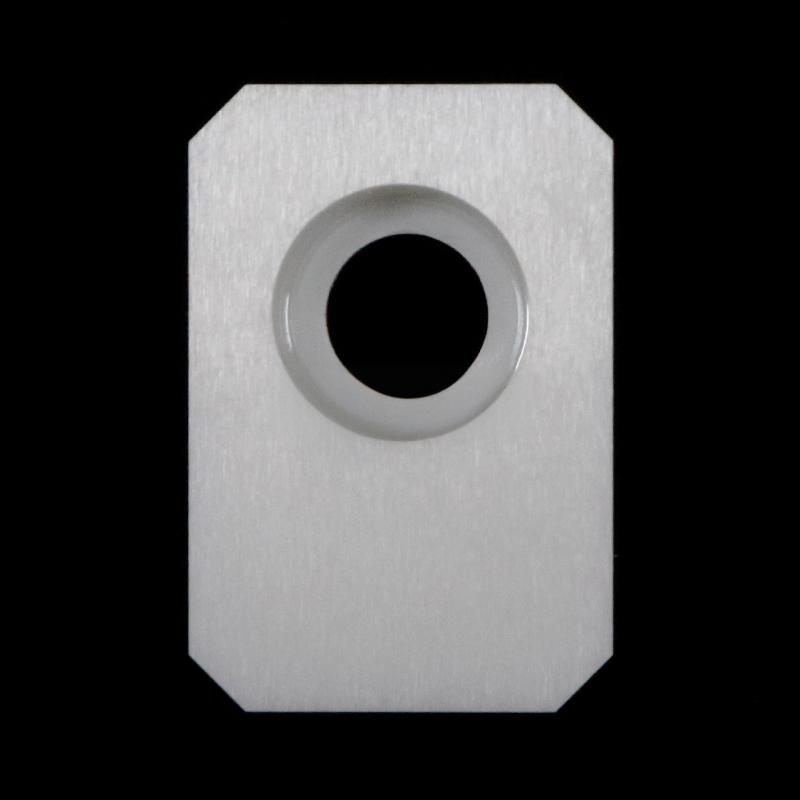
Analysis of Core Performance Indicators
- Mechanical properties
-Bending strength: It is usually required to be ≥ 1000 MPa, and for high reliability applications, it is required to be ≥ 1200 MPa to ensure that the workpiece is not easily broken under high loads.
-Fracture toughness: The fracture toughness (KIC) of zirconia is generally between 5-10 MPa · m ¹/². High toughness materials can effectively prevent crack propagation and extend service life.
-Hardness: Vickers hardness can reach 1200-1400 HV, with excellent wear resistance, suitable for high-speed friction environments. - Physical and Thermal Properties
-Density: The density of fully dense zirconia is about 6.0-6.05 g/cm ³, and insufficient density may lead to performance degradation.
-Thermal expansion coefficient: about 10 × 10 ⁻⁶/K, close to metals, which is conducive to the design of metal ceramic composite structures.
-Thermal conductivity: Its low thermal conductivity (2-3 W/m · K) makes it outstanding in high-temperature insulation scenarios. - Chemical and electrical properties
-Chemical stability: resistant to acid and alkali corrosion, especially stable at high temperatures, suitable for chemical environments.
-Insulation performance: Room temperature resistivity>10 ¹⁰Ω· cm, making it an ideal high-temperature insulation material. - Accuracy and surface quality
-Dimensional accuracy: Precision machining can reach ± 0.001 mm, meeting high-precision assembly requirements.
-Surface roughness: Ra ≤ 0.01 μ m after polishing, reducing friction coefficient and improving sealing performance.
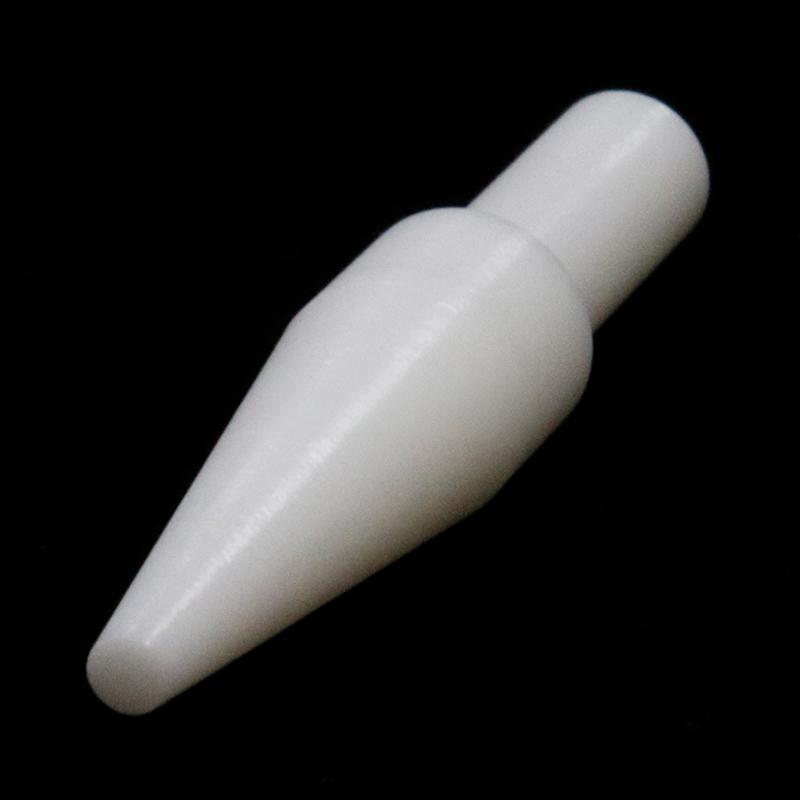
Product Applications and Advantages
Typical application scenarios
- Medical devices: dental implants, surgical blades, joint replacement parts, utilizing their biocompatibility and wear resistance.
- Industrial seals: Mechanical seal rings, pump valve components, corrosion-resistant and wear-resistant, with a lifespan 3-5 times longer than metal parts.
- Electronic semiconductors: ceramic cleavers, insulating rings, arc resistant, high insulation, improve equipment reliability.
- New energy: fuel cell separators, connectors, maintain conductivity and structural stability at high temperatures.
- Precision instruments: measuring probes, bearing balls, high hardness, low thermal expansion to ensure measurement accuracy.
Product advantages
-Long lifespan: Wear resistant and corrosion-resistant, significantly longer than traditional materials in harsh working conditions.
-High reliability: Combining high strength and toughness to reduce the risk of accidental failure.
-Stable performance: Low coefficient of thermal expansion, small size variation with temperature, suitable for precision environments.
-Multifunctionality: Properties can be adjusted by doping, such as yttrium stabilized zirconia (YSZ) to enhance toughness.
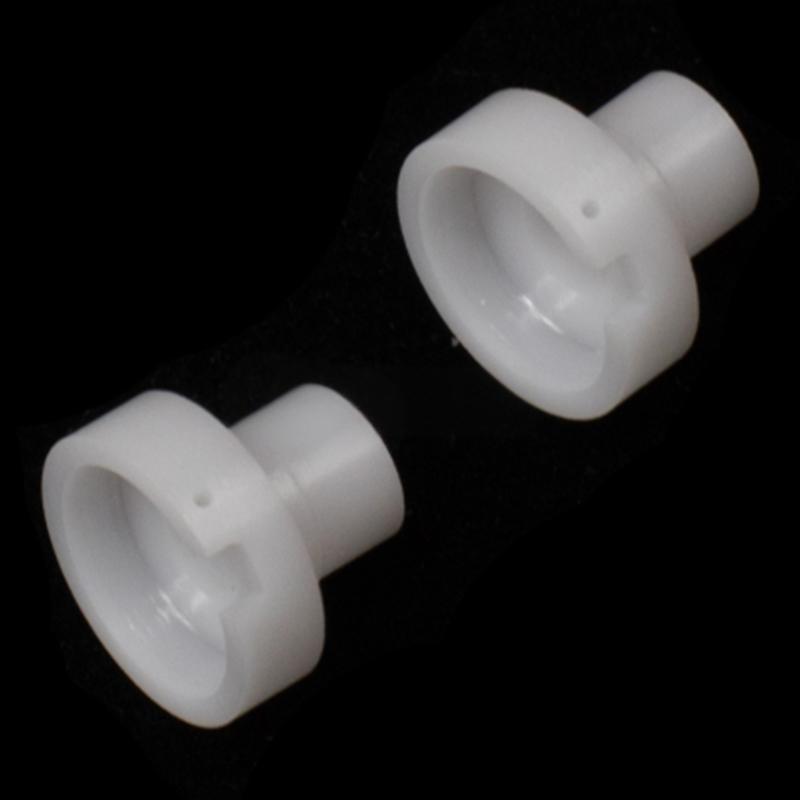
Key issues to be addressed
- Wear resistance issue: In high-speed rotating sealing scenarios, the service life of zirconia ceramics is more than three times longer than that of metal rings, reducing the frequency of downtime and replacement.
- Corrosion failure: Zirconia impellers used in chemical pumps show no signs of corrosion after continuous use in acidic media for 12 months, while metal impellers need to be replaced after an average of 3 months.
- High temperature deformation: Zirconia fixtures for semiconductor heat treatment equipment are used for a long time at 1000 ° C, with a dimensional change of less than 0.05% to ensure process consistency.
- Biological rejection reaction: Zirconia dental implants have excellent biocompatibility, and the postoperative infection rate is reduced by 40% compared to traditional materials.
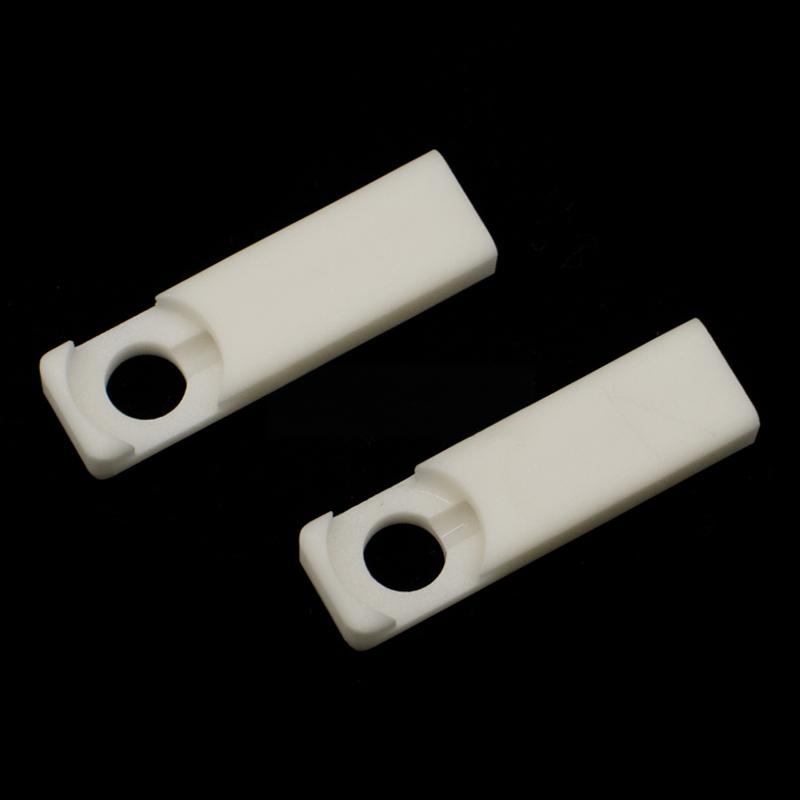
Customer Case (Anonymous)
-Case 1: Medical Device Enterprise
Requirement: Knee replacement parts with excellent biocompatibility and low wear rate.
Solution: Use ultrafine grained zirconia (grain size<0.3 μ m) and perform hydrophilic treatment on the surface.
Result: Clinical tests showed a 60% reduction in wear rate compared to traditional materials, and a 25% increase in patient mobility.
-Case 2: Semiconductor equipment manufacturer
Requirement: Ceramic components for etching machines, requiring high purity and resistance to plasma erosion.
Solution: Use 99.9% high-purity zirconia, optimize sintering process to control grain boundary composition.
Result: The lifespan of the components was extended to 8000 hours, and the release rate of contaminated ions was reduced by 90%.
-Case 3: New energy enterprises
Requirement: Solid oxide fuel cell connection plate, requiring high temperature conductivity and good airtightness.
Solution: Develop strontium doped zirconia material and prepare 0.2mm thin plate by casting molding.
Result: The power density of the fuel cell stack increased by 15%, and the performance degradation after 3000 hours of continuous operation was less than 5%.
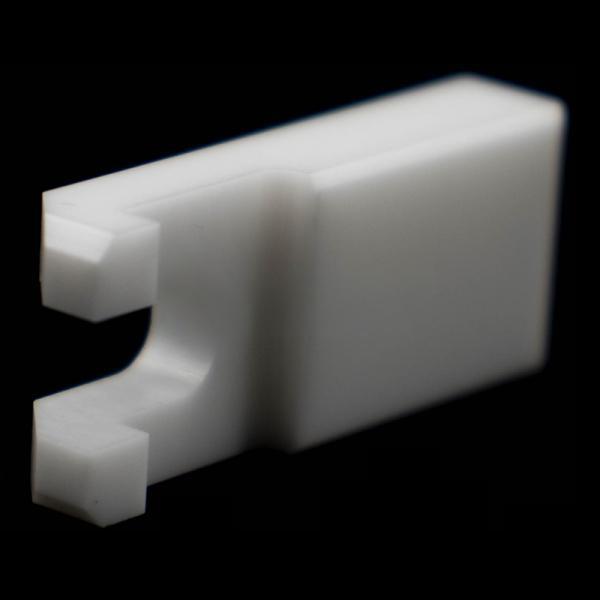
The selection of zirconia ceramic workpieces requires comprehensive consideration of material properties, processing accuracy, and compatibility with application scenarios. Through scientific evaluation and collaborative innovation with suppliers, the performance advantages of zirconia ceramics can be fully utilized to solve the bottleneck problems faced by traditional materials.
What problems or challenges have you encountered during the use of your product? Welcome to leave a message and communicate with us.
Brudeze Ceramics supplies and sells a wide range of high-quality quartz glass, including alumina ceramics, zirconia ceramics, silicon nitride ceramics, aluminum nitride ceramics, silicon carbide ceramics, boron carbide ceramics, bioceramics, machinable ceramics, etc. We can meet the customization requirements of various ceramic products.
PREVIOUS:What are the mechanical properties of microcrystalline glass ceramics
CATEGORIES
LATEST NEWS
- What are the mechanical pro...
- Thermal properties of zirco...
- What properties should be c...
- What are the mechanical pro...
- What are the main advantage...
- What is Macor processable g...
- The material properties and...
- The reason for the high pri...
- What are the preparation me...
- Why modify aluminum nitride...