
What are the mechanical properties of microcrystalline glass ceramics
Microcrystalline glass ceramic (also known as glass ceramic or microcrystalline ceramic) is a high-performance composite material prepared by precisely controlling the crystallization process, combining the dual advantages of glass and ceramics. Its unique microstructure endows it with excellent mechanical properties, making it highly favored in high-end industrial, optical, electronic, and consumer goods fields. This article will objectively and professionally analyze the mechanical properties of microcrystalline glass ceramics, and explore their applications and advantages.
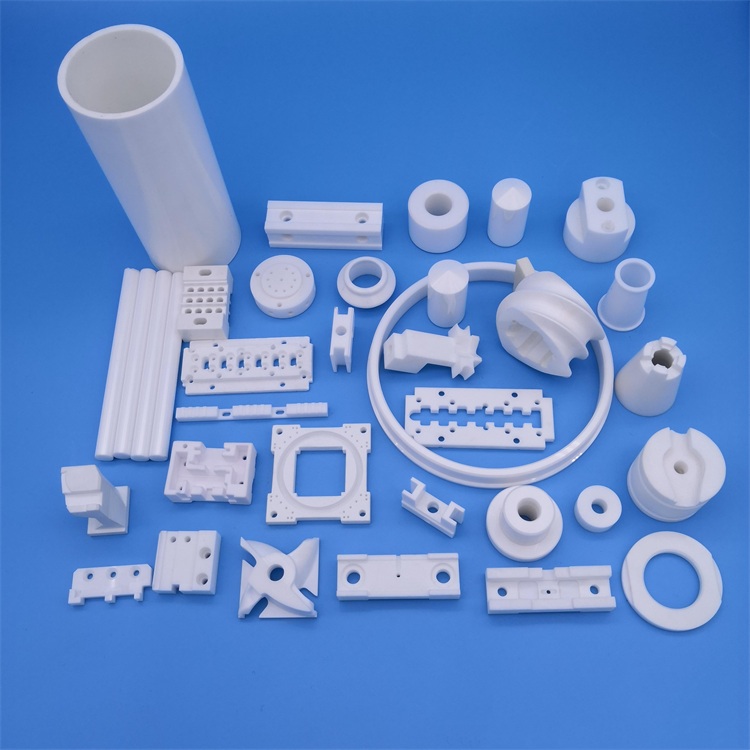
Overview of Mechanical Properties
The mechanical properties of microcrystalline glass ceramics are significantly better than ordinary glass and traditional ceramics, mainly reflected in the following aspects:
-High strength and high hardness: Through heat treatment, uniformly distributed fine crystals are formed, with a bending strength of up to 200-400 MPa, a Vickers hardness between 600-1200, and excellent wear resistance.
-Excellent impact resistance: The microcrystalline structure can effectively prevent crack propagation, and the fracture toughness (KIC) is usually 2-4 MPa · m ¹/², which is several times higher than ordinary glass.
-Low thermal expansion coefficient: The thermal expansion coefficient is close to zero, and it has excellent heat shock resistance. It is not easy to crack under severe temperature changes.
-Good chemical stability: corrosion and oxidation resistance, maintaining stable performance in harsh environments.
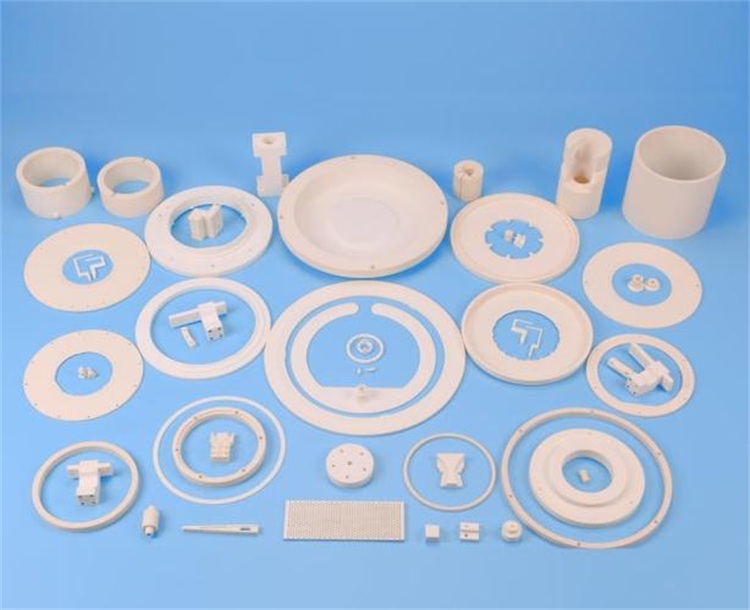
Product Application and Problem Solving
The mechanical properties of microcrystalline glass ceramics make them suitable for various high demand scenarios:
-Optics and precision instruments: used for telescope lenses and laser components, solving the problems of traditional glass fragility and poor thermal stability.
-Electronic industry: As a hard disk substrate and semiconductor packaging material, it provides a support platform with high hardness and low thermal expansion.
-Medical devices: used for dental implants and surgical blades, combining biocompatibility and wear resistance.
-High end consumer goods: such as high-end watch mirrors and smartphone backplates, balancing aesthetics and scratch resistance.
-Industrial wear-resistant components: used as wear-resistant lining plates in the chemical and energy fields to extend equipment life.
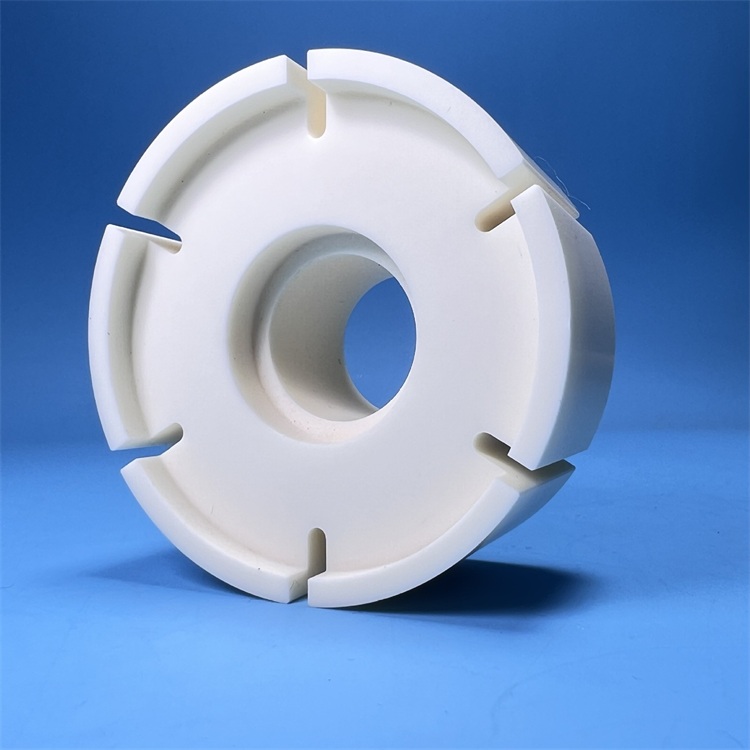
Product advantages
The core advantages of choosing microcrystalline glass ceramics include:
- Balanced performance: Simultaneously possessing high strength, toughness, and thermal stability, replacing single performance materials.
- Design feasibility: Customize to meet specific mechanical needs by adjusting ingredients and processes.
- Lightweight potential: High specific strength helps reduce component weight and is suitable for fields such as aerospace.
- Long lifespan and low maintenance: The wear-resistant and corrosion-resistant characteristics reduce replacement frequency and improve system reliability.
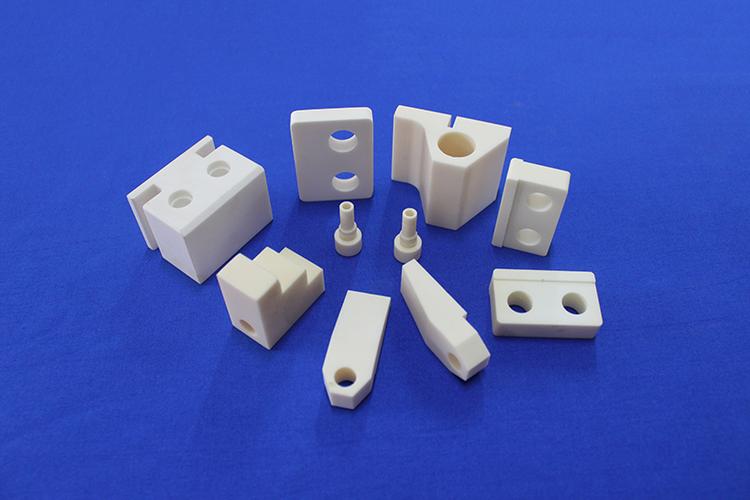
Customer Case (Anonymous)
-Case 1: A precision optical manufacturer has adopted our microcrystalline glass ceramic instead of traditional sapphire lenses. While maintaining the same hardness, the cost has been reduced by 30%, the impact resistance has been improved by 50%, and the after-sales damage rate of the product has significantly decreased.
-Case 2: A semiconductor equipment supplier used our low thermal expansion microcrystalline ceramic as an etching machine platform to solve the problem of size drift at high temperatures, improving chip processing accuracy by 20% and reducing customer equipment downtime by 40%.
-Case 3: High end home brands have introduced our microcrystalline ceramics as kitchen countertop materials, which have been highly praised by users for their scratch resistance and high temperature resistance. The market return rate is lower than the industry average.
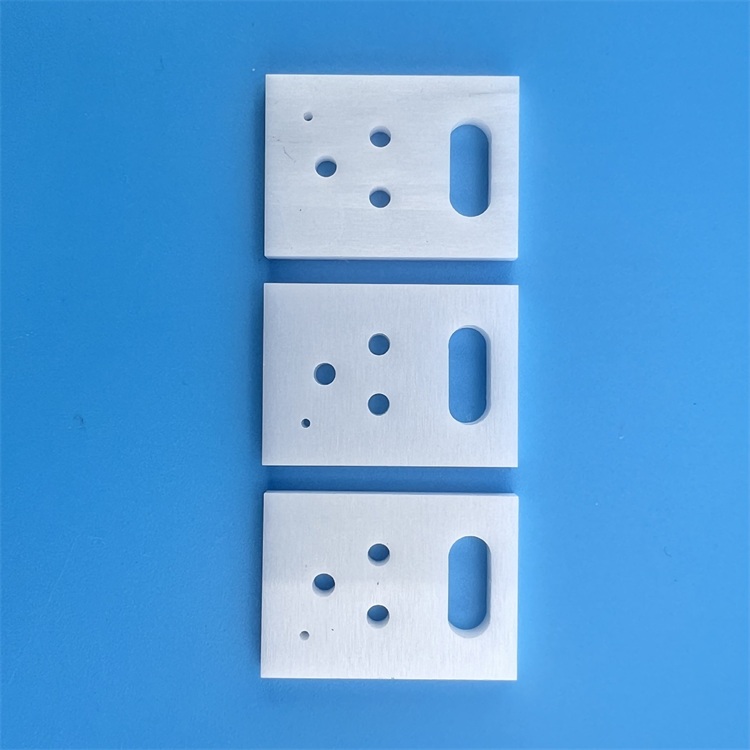
Microcrystalline glass ceramics have become a key material in high-tech fields due to their excellent mechanical properties. From addressing the brittleness limitations of traditional materials to promoting lightweight and long-lasting products, their value is constantly being explored. We are committed to helping customers overcome technological bottlenecks and achieve product upgrades through innovative processes and customized services.
What material performance challenges have you encountered in the use of your product? Welcome to leave a message and communicate with us to explore solutions for microcrystalline glass ceramics together.
Brudeze Ceramics supplies and sells a wide range of high-quality quartz glass, including alumina ceramics, zirconia ceramics, silicon nitride ceramics, aluminum nitride ceramics, silicon carbide ceramics, boron carbide ceramics, bioceramics, machinable ceramics, etc. We can meet the customization requirements of various ceramic products.
PREVIOUS:What are the main advantages of Macor ceramics
NEXT:What properties should be considered when selecting zirconia ceramic workpieces
CATEGORIES
LATEST NEWS
- What are the mechanical pro...
- Thermal properties of zirco...
- What properties should be c...
- What are the mechanical pro...
- What are the main advantage...
- What is Macor processable g...
- The material properties and...
- The reason for the high pri...
- What are the preparation me...
- Why modify aluminum nitride...