
Application of Zirconia Ceramics in Petrochemical Industry
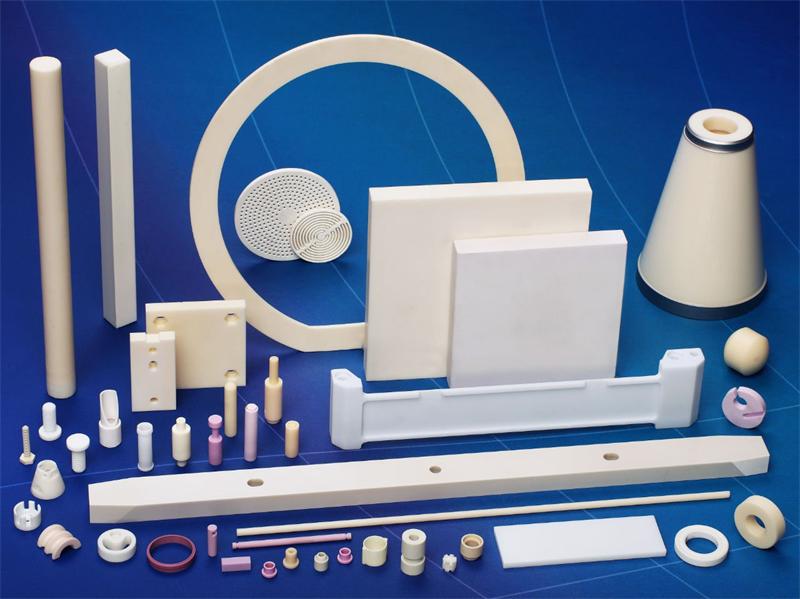
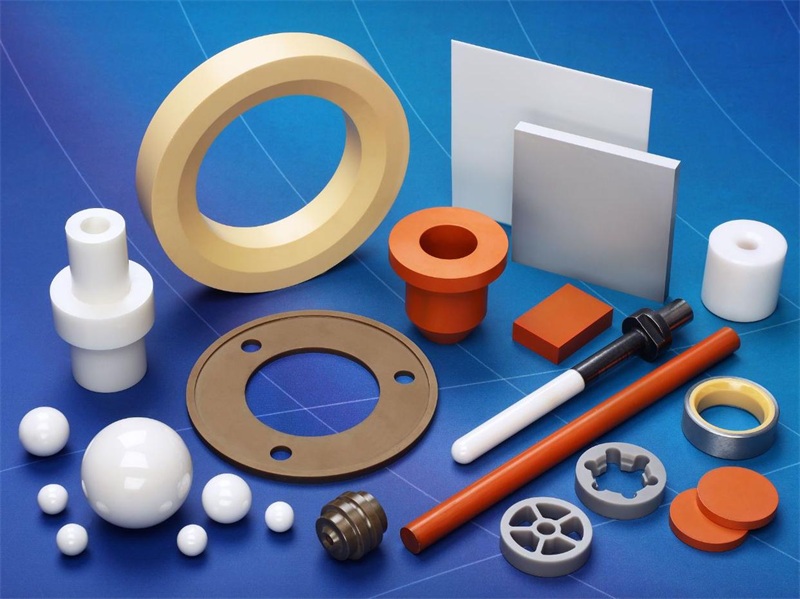
In the harsh industrial field of petrochemicals, which is full of high temperature, high pressure, strong corrosion and wear, traditional metal materials are increasingly facing performance bottlenecks. Zirconia ceramics are becoming an ideal alternative for key components in petrochemical equipment due to their unique phase transition toughening mechanism, excellent corrosion resistance, and outstanding wear resistance. As an advanced structural ceramic, it not only solves the problem of rapid failure of metal components in acidic and alkaline media, but also provides a new material choice for the petrochemical industry to improve equipment reliability, extend maintenance cycles, and reduce comprehensive operating costs through its excellent insulation and high-temperature stability.
Frequently Asked Questions (FAQ)
Q: What corrosive media can zirconia ceramics withstand in petrochemical environments?
Answer: Zirconia ceramics have excellent chemical stability and can withstand long-term corrosion from highly corrosive media such as sulfuric acid, hydrochloric acid, nitric acid, caustic soda, and most organic solvents. Even in high-temperature acidic or alkaline environments, its corrosion rate is much lower than that of metal materials such as stainless steel and Hastelloy, and can be almost negligible.
Q: What is the wear resistance of zirconia ceramics? Is it suitable for high solid content media?
Answer: The Rockwell hardness of zirconia ceramics is as high as HRA 88 or above, and the wear resistance is about 10-15 times that of ordinary stainless steel. Zirconia ceramic components can significantly extend the service life of slurry conveying, stirring, and separation equipment containing high hardness solids such as catalyst particles and gravel, effectively avoiding medium pollution caused by abrasion.
Q: Are these ceramic components prone to brittle cracking? Can it cope with the impact load on the petrochemical site?
Answer: Zirconia is widely recognized as one of the most ductile structural ceramics, and its unique “phase transformation toughening” mechanism makes its fracture toughness far superior to other ceramic materials such as alumina. Through reasonable structural design and installation methods, it can adapt well to vibration, pressure fluctuations, and mild to moderate impact conditions in petrochemical equipment.
Resolve your core issue
If you are facing frequent internal leakage of metal valves, rapid wear of pump body flow components, repeated perforation of pipeline elbows, or unplanned shutdown due to corrosion of metal components – these problems not only increase maintenance costs, but also pose serious safety and environmental risks. Zirconia ceramic components can fundamentally solve the four core problems of corrosion, wear, high temperature, and insulation, helping you extend the equipment maintenance cycle from “months” to “years” and achieve truly long-term stable operation.
Core applications of zirconia ceramics in the petrochemical industry
Key application scenarios
- Fluid control equipment
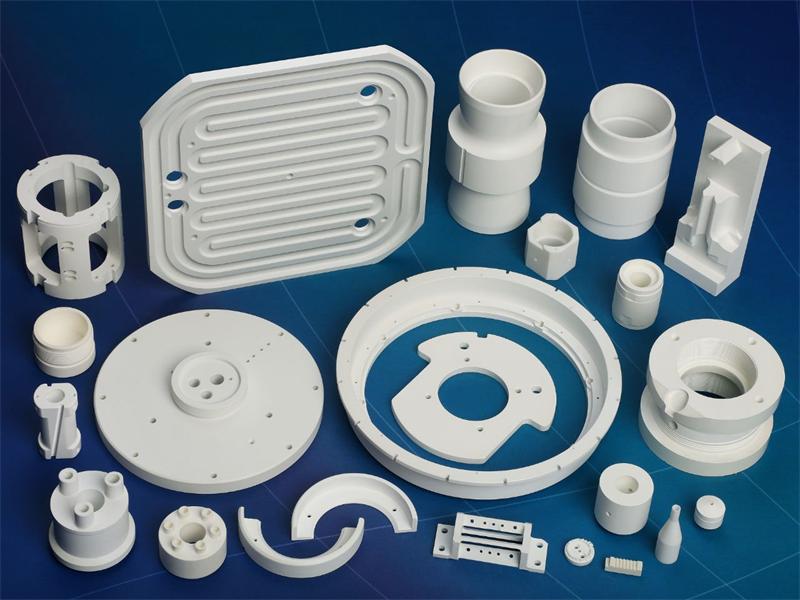
Application components: Ceramic ball valves, ceramic gate valves, ceramic regulating valves, valve cores, valve seats, and valve stems
Core value: Zirconia ceramic ball valves can achieve “zero leakage” shut-off in pipeline systems with high temperature, high pressure, solid particles or highly corrosive media. Its mirror level surface finish results in extremely low friction coefficient, low operating torque, and completely eliminates the “jamming” and “locking” phenomena of metal valves. - Pump overcurrent components
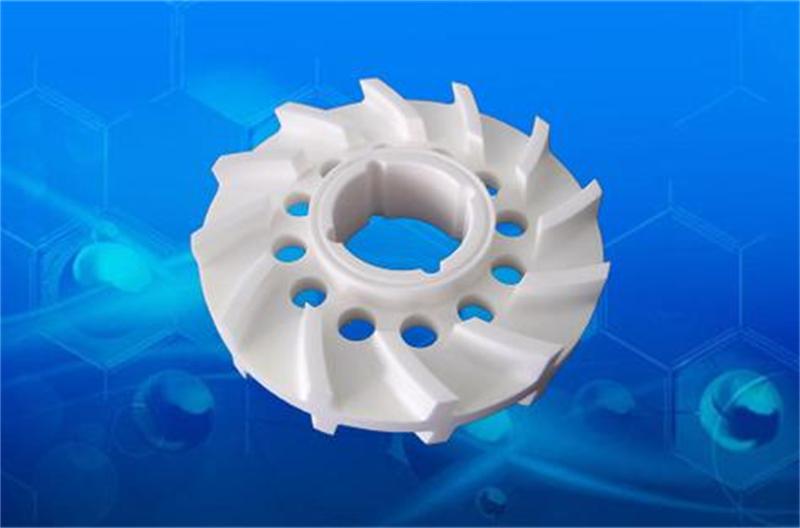
Application components: ceramic pump shaft, ceramic impeller, ceramic sheath, ceramic sealing ring
Core value: When transporting acidic wastewater, catalyst containing slurries, crude oil, and various chemical media, zirconia ceramic flow-through components can withstand the erosion of solid-liquid two-phase flow in high-speed fluids. Its excellent anti cavitation performance effectively prevents impeller perforation caused by cavitation, ensuring long-term efficient operation of the pump body. - Separation and filtration equipment
Application components: Ceramic hydrocyclone liner, ceramic nozzle, ceramic filter support
Core value: In processes such as solid-liquid separation and catalytic cracking, the equipment lining is subjected to continuous shear forces and abrasive wear. Zirconia ceramic lining not only greatly improves the service life of the equipment body, but its smooth surface can also effectively prevent material adhesion and improve separation efficiency. - High temperature and special working conditions
Application components: thermocouple protection tube, high-temperature insulation component, heat-resistant support component
Core value: Zirconia ceramics can work stably for a long time in high temperature environments above 600 ℃, and have excellent electrical insulation performance. As a thermocouple protection tube, it can accurately transmit temperature signals and resist the erosion of high-temperature corrosive gases in high-temperature monitoring locations such as hydrogenation reactors and cracking furnaces.
Core advantages of the product
-Excellent corrosion resistance: Stable in various strong acids, alkalis, and organic media, without metal ion precipitation or electrochemical corrosion risk.
-Ultra high wear resistance and erosion resistance: second only to diamond in hardness, it can withstand long-term erosion from high-speed solid fluids and has a lifespan 5-10 times longer than metals.
-Excellent toughness and reliability: Phase transformation toughening technology endows it with extremely high fracture toughness, and its impact resistance is second to none among ceramic materials.
-Resistant to high and low temperature impacts: With a low coefficient of thermal expansion and excellent thermal shock resistance, it can adapt to sudden temperature changes in petrochemical processes.
-Electrical insulation and non-magnetic: non-conductive and non-magnetic, suitable for analytical instruments and special process environments that are sensitive to electromagnetic interference.
Comprehensive customized services
We are well aware that petrochemical plants have highly personalized characteristics. To this end, we provide a full process customization service from material selection to finished product delivery:
-Dimensions and tolerances: The minimum machined inner diameter is 1mm, and the maximum machining accuracy is ± 0.005mm, meeting strict assembly requirements.
-Complex structure: capable of forming complex geometric shapes such as internal and external threads, irregular flow channels, thin-walled sleeves, and integrated valve seats.
-Surface treatment: Provides various treatment solutions such as mirror polishing, precision grinding, and surface coating to meet different media working conditions.
-Material formula: Different zirconia formula systems such as 3Y-TZP and Ce TZP can be selected according to the temperature, corrosiveness, and wear resistance requirements of the medium.
Customer Application Case (Anonymous)
Case 1: A large integrated refining and chemical enterprise – ceramic ball valve for catalyst delivery system
-Background: In the catalytic cracking unit of this enterprise, the metal hard sealed ball valve used for transporting high-temperature slurry containing micron sized catalyst particles experiences internal leakage on average every 2-3 months due to severe valve seat wear and sealing surface scratches, which not only causes catalyst loss but also affects the smooth operation of subsequent units. Each replacement requires shutdown, resulting in a comprehensive loss of over one million yuan per transaction.
-Solution: We have customized a fully zirconia ceramic ball valve for it, with both the ball and seat made of high toughness zirconia ceramic. The inner lining of the flow channel has also been upgraded to ceramic material to ensure that no metal is exposed to the medium throughout the flow channel.
-Effect: After 12 months of continuous operation, the ceramic ball valve was disassembled for inspection. The sealing surface between the valve ball and the valve seat was as smooth as new, without any signs of wear, and the internal leakage was zero. The enterprise has completed the ceramic transformation of more than 40 key valves in the same working condition throughout the factory in batches, and the valve maintenance cycle has been extended from 3 months to over 36 months, reducing the annual comprehensive maintenance cost by about 70%.
Case 2: A fine chemical enterprise – ceramic shaft sleeve and sealing ring for strong acid medium delivery pump
-Background: In the production process of this enterprise, a mixed medium containing 30% hydrochloric acid and organic solvents needs to be transported. The original 316L stainless steel shaft sleeve and silicon carbide sealing ring experienced severe crevice corrosion and electrochemical corrosion in a strong acid environment. On average, every 1-2 months, leakage and shutdown were caused by shaft sleeve corrosion perforation and sealing failure.
-Solution: We provided a complete set of zirconia ceramic shaft sleeves, thrust discs, and matching sealing rings, and optimized the fitting structure between the shaft sleeve and the metal shaft to eliminate the potential risk of galvanic corrosion.
-Effect: After continuous operation for 18 months, the zirconia ceramic components showed no signs of corrosion, maintained good dimensional accuracy, and the leakage rate of the sealing system remained at the initial level. This solution completely solves the long-standing problem of “running, emitting, dripping, and leaking” on the production line, and the equipment integrity rate has been increased to over 99.5%.
Case Three: Produced Water Treatment System of a Certain Oilfield – Ceramic Inner Lining of Hydrocyclone
-Background: Oilfield produced water contains a large amount of sand particles, corrosive ions, and crude oil. The inner wall of traditional metal hydrocyclones is worn through in 3-4 months under high-speed swirling, resulting in a sharp drop in separation efficiency, and frequent replacement causes a lot of downtime.
-Solution: Based on the original design of the customer’s hydraulic cyclone, we have customized a split zirconia ceramic liner to cover the core wear areas such as the cyclone cone and bottom flow port. A buffer layer design is used between the ceramic liner and the metal shell to effectively absorb impact forces.
-Effect: After adopting ceramic lining, the overall lifespan of the cyclone is increased to over 5 years, and the separation efficiency remains stable at over 95%. The customer has designated the use of zirconia ceramic lining for all 5 newly built produced water treatment stations.
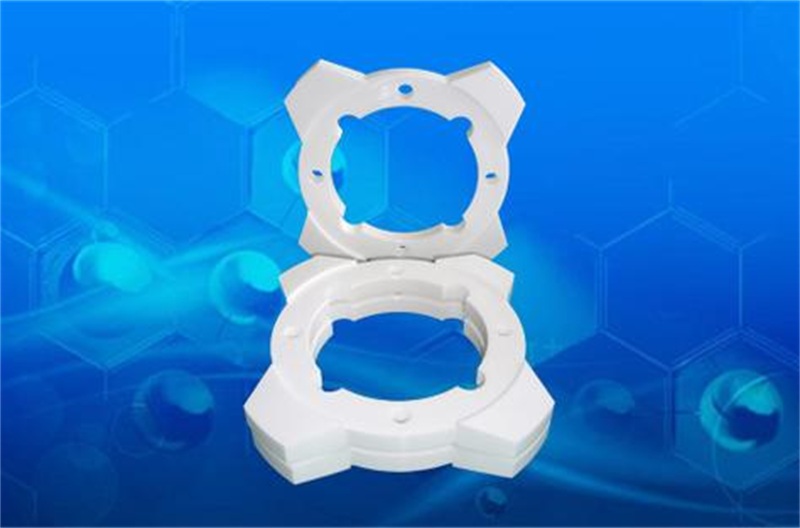
The future of petrochemicals belongs to materials that are more reliable, efficient, and safe. Whether you are facing frequent equipment failures or material selection for new projects, we look forward to having in-depth discussions with you. Contact us immediately to provide your operating parameters and drawing requirements. We will provide you with professional zirconia ceramic application evaluation, sample customization, and full lifecycle cost analysis to help your device achieve truly stable, long-term, and optimal operation.
Brudeze Ceramics supplies and sells a wide range of high-quality quartz glass, including alumina ceramics, zirconia ceramics, silicon nitride ceramics, aluminum nitride ceramics, silicon carbide ceramics, boron carbide ceramics, bioceramics, machinable ceramics, etc. We can meet the customization requirements of various ceramic products.
PREVIOUS:Application of Zirconia Ceramics in Iron Metallurgy Industry
NEXT:Application of Zirconia Ceramics in Semiconductor Electronics
CATEGORIES
LATEST NEWS
- High temperature resistant ...
- High grinding zirconia cera...
- Pollution free zirconia cer...
- High purity zirconia cerami...
- Low wear zirconia ceramic b...
- High hardness zirconia cera...
- High density zirconia ceram...
- Electric field sintering zi...
- Magnetic field sintering zi...
- Activated sintered zirconia...