A meta-analysis of oropharyngeal cancer studies conducted on the Indian subcontinent calculated a statistically significant fourfold increase in risk for betel quid with tobacco and a statistically significant twofold increase in risk for betel quid alone.[12] Studies of head and neck cancer (without specification of subsite) suggest that increases in risk are positively correlated with chewing frequency and duration.[4] Human Papillomavirus (HPV) Infection HPV type 16 (HPV-16) infection is a sufficient, but not necessary, cause of head and neck cancers, with a greater causal relationship with oropharyngeal cancer.[13,14] A meta-analysis of five case-control studies of HPV-16 positivity in either serum or tissue calculated an odds ratio of 15.1 (95% confidence interval [CI], 6.833.7) for cancer of the tonsils, 4.3 (95% CI, 2.18.9) for other oropharyngeal sites, and 2.0 for both oral cavity (95% CI, 1.23.4) and larynx (95% CI, 1.04.2).[14] In a case-control study, the observed strong association of HPV-16 serologic status and oropharyngeal cancer did not vary at different levels of tobacco or alcohol use.[15] HPV-16 E6 seroconversion was shown to occur over a range of 6 to 28 years before oropharyngeal cancer diagnosis, at a median age of 52 years.[16] Thus, the HPV-16 infection that increases the risk of oropharyngeal cancer may occur in individuals aged 20 to 40 years

How Soon Can You Eat or Drink After Taking Your Suboxone Films
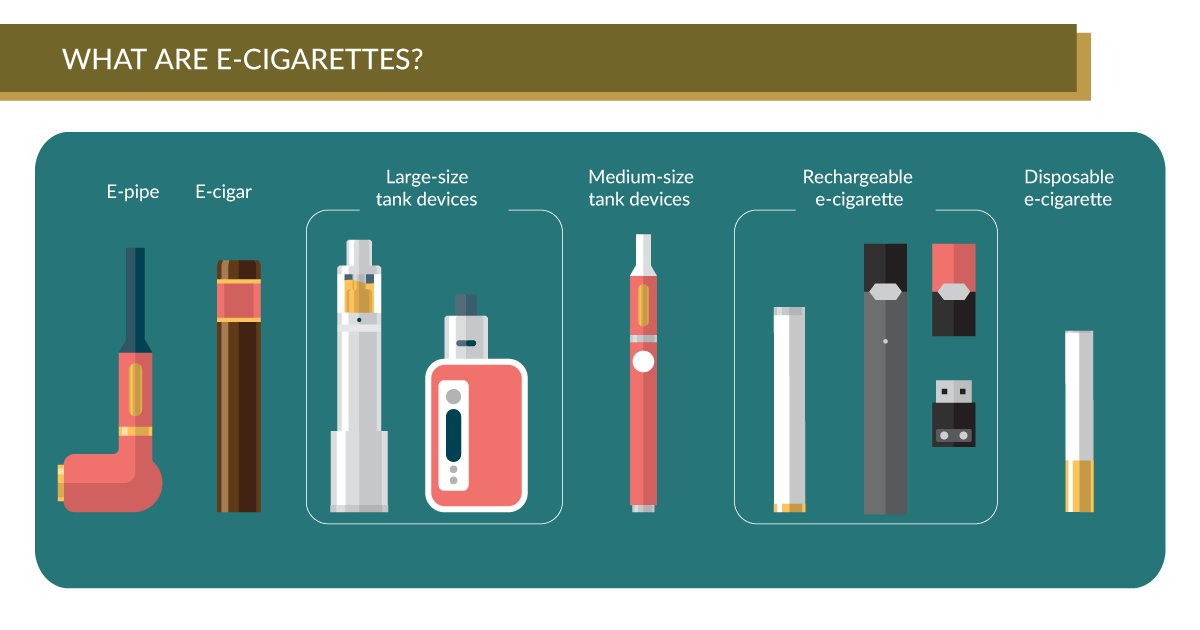
Pre-clinical and clinical studies related to BC have shown that E-cigarettes can trigger cancer-related damage to bladder tissues in mice 28 , and the urine of 92% of E-cigarette users tested positive for two chemicals, o-toluidine and 2-napthylamine, known to cause BC 29
Whether on the arm,