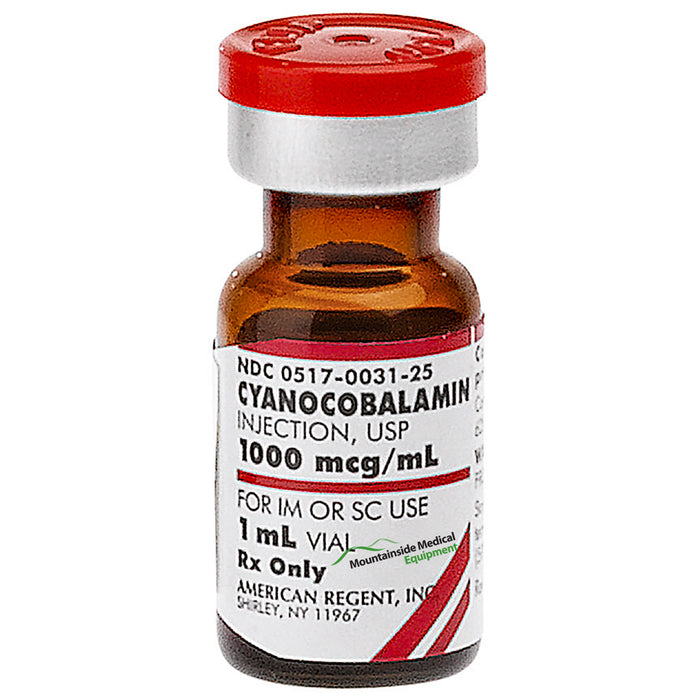
This faster absorption means you feel the effects quickersometimes within minutes rather than hours or days
Although rare, vitamin B12 deficiency can sometimes point to an underlying cancer, especially cancers that affect the gastrointestinal tract

For instance, mutations and polymorphisms in transport proteins such as transcobalamin TCN, gastric intrinsic factor GIF and metabolic enzymes such as methylenetetrahydrofolate reductase MTHFR have been associated with vitamin B12 deficiency. 2 Vitamin B12 deficiency may also occur if you have certain conditions, such as: Pernicious anaemia, which makes it hard for your body to absorb vitamin B12 (characterized by a lack of intrinsic factor individuals cannot properly absorb vitamin B12 in the gastrointestinal tract) Atrophic gastritis or inadequate production of stomach acid (occurs in 10-30% of older adults!) Helicobacter pylori infection in the stomach Surgery that removes part of your stomach or small intestine which can result in a loss of cells that secrete hydrochloric acid and intrinsic factor Bariatric surgery Gastrointestinal tract or weight loss surgery Conditions that affect the small bowel Crohns disease Celiac disease (11-41% of patients with celiac will have B12 deficiency) Small intestinal bacterial overgrowth (SIBO) Parasite infections (Giardia and tapeworm) Chronic pancreatitis Heavy alcohol use or advanced liver disease Autoimmune conditions Graves disease Lupus Malnutrition or eating disorders Long term use of medications Proton pump inhibitors H2 blockers Metformin Certain antibiotics 3 How does your body absorb vitamin B12
Hypersensitivity reactions may manifest in various ways, ranging from local injection site reactions such as erythema, swelling, and pruritus to more severe systemic reactions including angioedema, anaphylaxis, or generalized urticaria